




Embracing Design Trends
In the world of interior design, especially for living rooms, staying current with the latest trends is key to achieving a space that is both stylish and
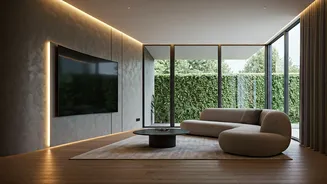
feels up-to-date. In 2026, several design styles will be at the forefront. Modern living room designs continue to be popular, focusing on clean lines, neutral colors, and functional furniture. Complementing this is the Scandinavian aesthetic, known for its simplicity, natural light, and use of wood. The minimalist style, which champions simplicity, decluttering, and open spaces, also influences designs. Furthermore, the modern rustic design, combining contemporary elements with natural textures, is expected to continue gaining popularity, as will the eclectic style that lets people mix different styles and eras. Understanding these core styles can help homeowners make informed choices about designing their living rooms in the coming year.
Color Palette Insights
The choice of color plays a pivotal role in setting the tone and atmosphere of any living space. In 2026, the living room color trends will embrace both bold and subtle hues. Neutral tones like whites, grays, and beiges will continue to provide a versatile base, offering a sense of calm and a backdrop for other colors. Complementing these will be more daring colors such as pink and purple, which can be incorporated through accent walls, decorative items, or furniture. For a living room that exudes energy, brighter tones like yellow can be considered. The choice of colors should be tied into the overall style and personal taste of the homeowner. For example, if you prefer a modern space, you might stick to a neutral palette with a pop of a bold color. Conversely, you can use a wider range of colors in an eclectic or rustic setting.
Furniture and Layout
The selection and arrangement of furniture are essential to a living room's functionality and aesthetic appeal. In 2026, multi-functional furniture will continue to be sought after, especially in smaller living rooms. Consider using sofas with built-in storage, coffee tables that double as storage units, or modular furniture pieces that can be reconfigured. The layout of the furniture should optimize the space, creating cozy areas for conversation and relaxation. A well-designed seating arrangement usually includes a sofa and chairs arranged to promote interaction. Another factor to consider is the size of the room and the amount of natural light available. In smaller spaces, it's beneficial to use lighter-colored furniture to make the room seem larger and brighter. If a living room has plenty of natural light, it can support darker furniture pieces, which can provide a sense of luxury.
Essential Design Elements
In addition to colors and furniture, several other elements can contribute to creating an attractive and practical living room. Incorporating a variety of textures can add visual interest and warmth. This can be achieved through items like textured rugs, plush cushions, and woven throws. The lighting of the space plays a crucial role in establishing the mood. A combination of ambient, task, and accent lighting can be employed to cater to the different needs and to highlight design features. Using wall panels or other decorative wall treatments can introduce interest and character. Similarly, adding mirrors can make the room appear larger while reflecting natural light. Window treatments such as curtains or blinds should be chosen for both functionality and aesthetic appeal, taking into account privacy and light control. These design features, when employed carefully, enhance the overall aesthetic of the space.
Vastu Shastra and Design
Vastu Shastra offers time-honored principles to harmonize living spaces with the elements of nature. According to Vastu, the living room should ideally be situated in the north, east, or northeast direction of a home. This is believed to welcome positive energies and improve the overall environment. The layout of furniture also has specific recommendations. For example, the seating arrangement should orient occupants toward the east or north. Decorating the living room with specific colors can invite good fortune and balance. Lighter tones such as white, yellow, or green are often recommended to invite positivity and happiness. Moreover, Vastu emphasizes the significance of decluttering to avoid the buildup of negative energy. Applying these principles can support a more harmonious and spiritually aligned living space that encourages peace and prosperity.
Accessorizing the Space
Accessories are the finishing touches that reflect personal style and add depth to a living room. Selecting the right accessories can transform a space, making it feel more complete and inviting. Decorative items such as vases, sculptures, and artwork should be chosen to match the overall design theme. Artwork can be the focal point of a room and reflect the owner's taste. Plants are an excellent way to introduce nature and breathe life into a living space. Whether it is indoor plants or statement plants, these can enhance the atmosphere of the room. Choosing and placing the right accessories means that your personality is showcased, and the living room is ready for everyday life.