







Rocketry's Rocky Road
The world of space exploration is often characterized by spectacular successes, but it's also marked by the inherent challenges of pushing technological
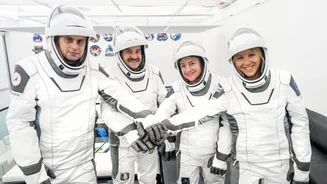
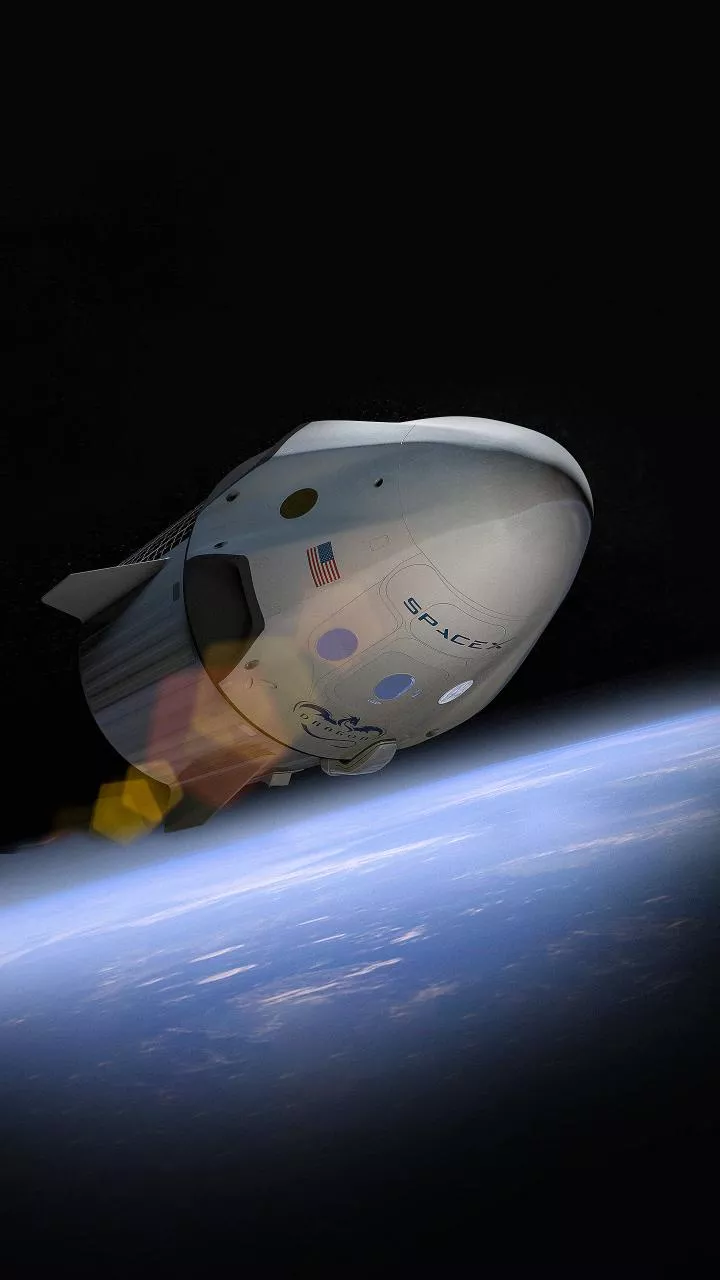
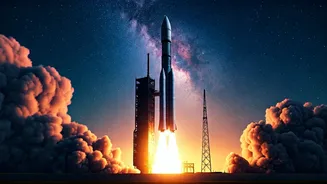
boundaries. Recently, several high-profile launches have encountered significant hurdles, underscoring the intricate nature of rocketry. For instance, the Vulcan Centaur rocket experienced a 'significant performance anomaly' during a satellite deployment, raising questions about its operational stability. Similarly, SpaceX had to temporarily ground its Falcon 9 rocket following an issue with its upper stage, which subsequently impacted the readiness of the Crew-12 astronaut mission. These incidents, while concerning, are part of a broader pattern in aerospace development where testing and refinement are crucial for achieving ultimate reliability. The journey to perfecting these complex machines involves overcoming unexpected difficulties, and the continuous effort to address and resolve these anomalies is key to future advancements in spaceflight, ensuring the safety and success of upcoming missions.
Milestones and Setbacks
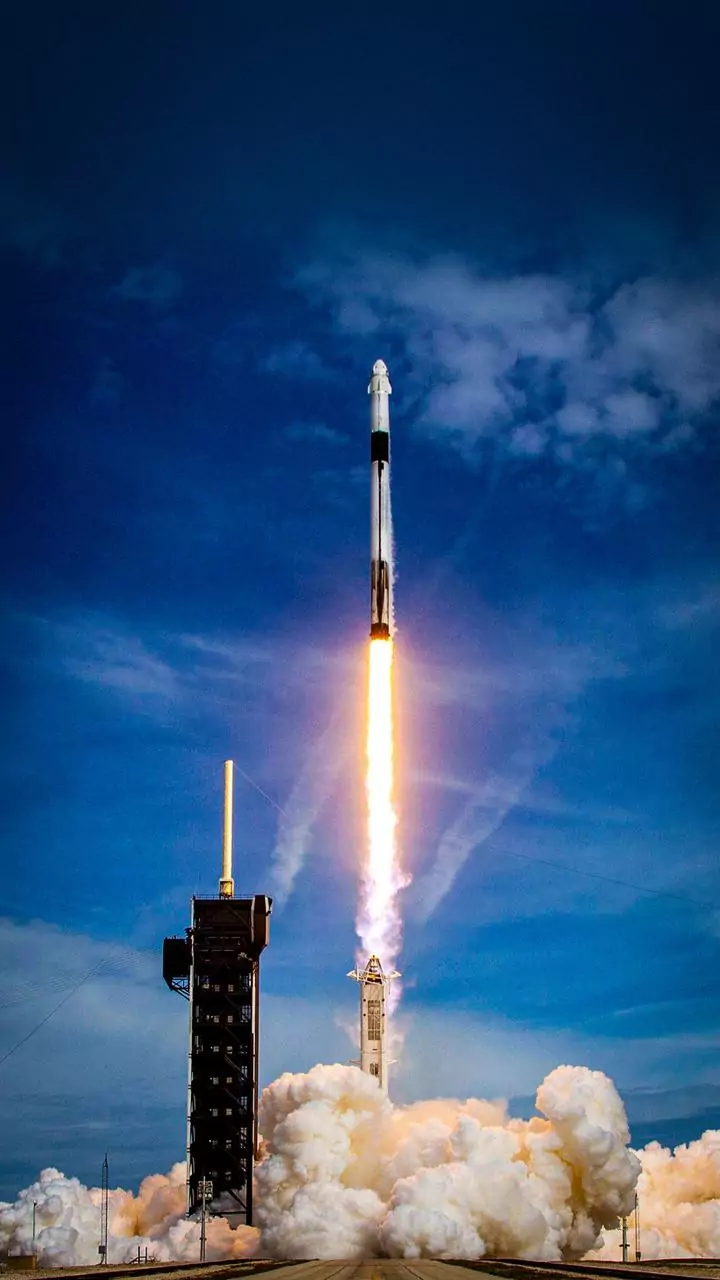
Despite the occasional turbulence, the space sector continues to mark important achievements. SpaceX, for example, celebrated a significant milestone by launching a used rocket for the 500th time, demonstrating their commitment to reusability and cost-effectiveness in space endeavors. This particular launch successfully delivered the Sentinel-6B ocean-mapping satellite into orbit. In another instance, a SpaceX Falcon 9 rocket resumed flights after a period of grounding, carrying Starlink satellites from California, indicating a swift resolution to the previously identified upper-stage issues. The company also achieved a 'Groundhog Day' launch, sending more Starlink satellites into Earth orbit from California. These events, interspersed with the setbacks like the delays to the Crew-12 mission, illustrate the dynamic nature of current space operations, where innovation and problem-solving are constant companions.
Future Aspirations
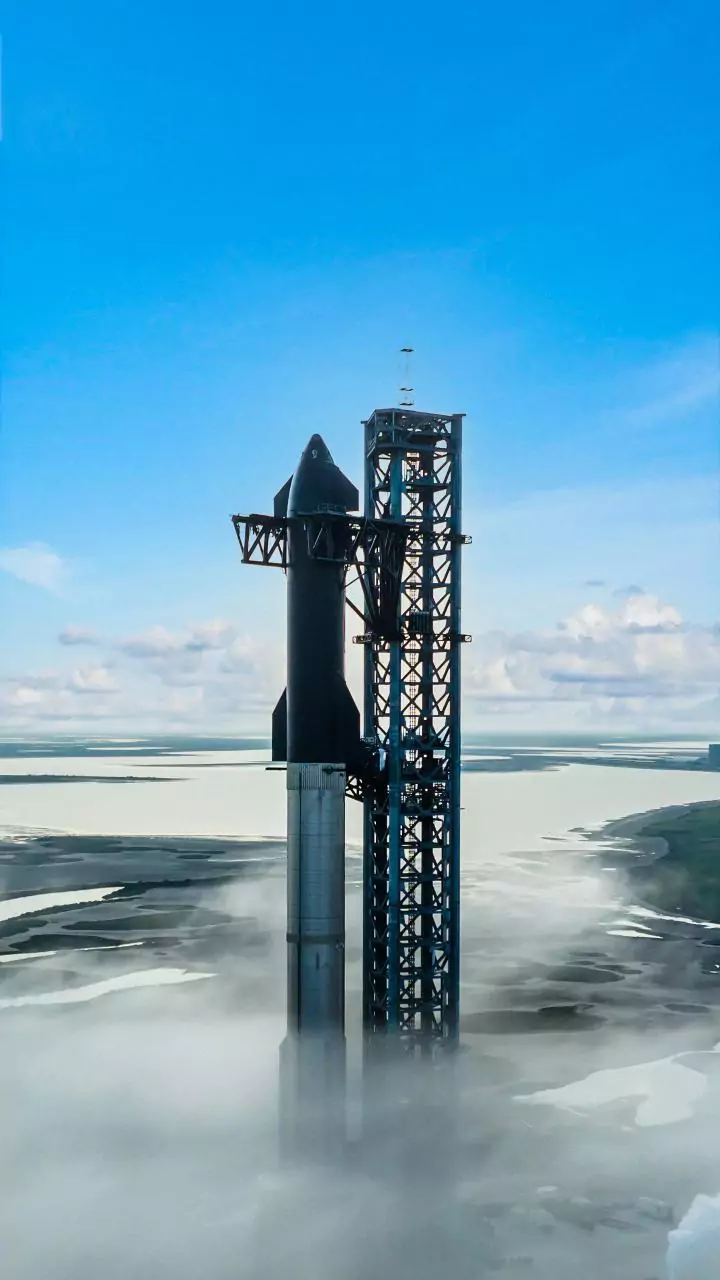
Looking ahead, ambitious projects continue to shape the future of space exploration. SpaceX is targeting mid-March for the inaugural flight of its larger and more powerful Starship 'Version 3,' as announced by Elon Musk. This next-generation vehicle represents a significant leap in capability for the company. Concurrently, NASA's Artemis program, aimed at returning humans to the moon, has also faced its own set of challenges. Delays to the Artemis 2 moon mission, for example, were attributed to recurring fuel leaks on its colossal rocket, issues that have been observed before. This highlights the persistent engineering hurdles even for well-established space agencies. The successful launch of Europe's most powerful rocket for the first time, carrying 32 Amazon internet satellites, also points to growing international participation and capability in the commercial satellite deployment sector, adding another layer to the evolving global space landscape.