






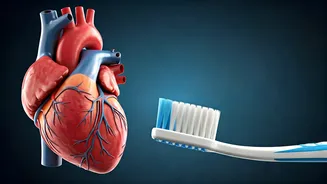
Plaque: A Shared Threat
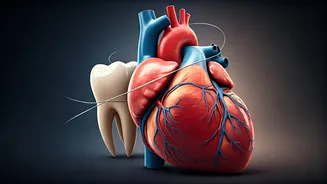
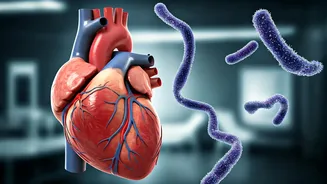
Artery plaque and tooth plaque, though found in different parts of the body, share a common enemy: inflammation. Both are formed when bacteria and other
substances accumulate, leading to a build-up that can cause serious health problems. In the arteries, this plaque can restrict blood flow, potentially leading to heart attacks or strokes. Similarly, in the mouth, plaque can lead to cavities and gum disease. The presence of plaque in either location indicates a larger problem: inflammation, which can affect the entire body, showcasing a clear correlation between the health of your mouth and heart.
Expert Insights and Explanations
Cardiologists and dentists recognize the importance of the link between oral health and heart health. Dentists often see the initial signs of inflammation, such as bleeding gums, which can indicate the presence of bacteria that may eventually spread to other parts of the body. Cardiologists focus on the damage that inflamed arteries experience and know that inflammation throughout the body worsens plaque buildup. They explain that the inflammation caused by bad oral health can make the heart work harder, raising the chances of serious complications. Thus, both types of doctors emphasize the need to take care of teeth and gums to support heart health.
Oral Hygiene Matters
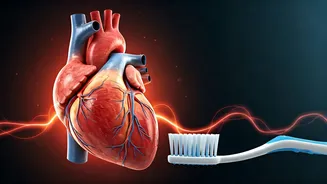
Maintaining good oral hygiene is essential to prevent plaque buildup, as consistent brushing, flossing, and regular dental check-ups are key. Brushing twice a day and flossing daily can effectively remove plaque, and reduce inflammation. Regular dental cleanings are just as important because they remove plaque and tartar that brushing and flossing cannot. By keeping the mouth clean and healthy, the risk of inflammation is reduced, potentially lowering the threat of cardiovascular problems. Therefore, proper dental care is not just about a bright smile; it’s an integral part of maintaining overall health and well-being.
The Larger Impact
The connection between artery plaque and tooth plaque highlights the body's interconnected nature, emphasizing that everything is connected. Poor oral health is not isolated; it can contribute to a systemic inflammatory response, increasing the risk of various health problems. By recognizing the connection and taking proactive steps to maintain oral health, people can significantly reduce their risk of heart disease and other systemic health issues. This is a reminder that simple lifestyle choices, such as good oral hygiene, can have far-reaching effects on overall health and longevity.