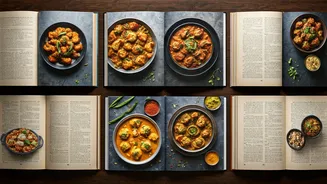





The Tiffin's Tale
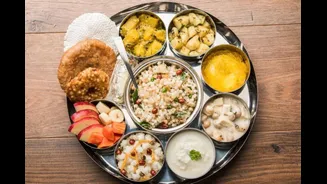
Delve into the captivating narrative of "The Tiffin" by Rukmini Srinivas, a book that beautifully illuminates the daily ritual of the Indian tiffin. This
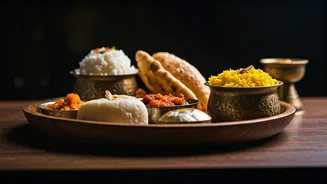
work artfully captures how these seemingly simple midday meals serve as profound reflections of diverse regional identities, cherished family traditions, and the intimate act of preparing food with dedication. It’s more than just about packed lunches; it’s about the quiet stories and personal connections that food fosters, transforming everyday meals into meaningful expressions of culture and care that travel from home kitchens to workplaces.
Bengali Culinary Chronicle
"Bangla Ranna- The Bengal Cookbook" by Satarupa Banerjee offers a profound cultural chronicle of Bengali culinary heritage, transcending the boundaries of a typical cookbook. Banerjee masterfully intertwines authentic recipes with the historical context, customary rituals, and poignant memories that have shaped Bengal's distinctive cuisine. The book provides a fascinating glimpse into the evolution of Bengali food, influenced by periods of colonialism, significant migrations, and the intricacies of domestic life, making it a vital record of a rich gastronomic tradition.
Eating India's Essence
Chitrita Banerji's "Eating India" invites readers on an evocative exploration through a series of essays focused on Indian festivals, bustling kitchens, and the quiet intimacy of everyday meals. This book skillfully connects the act of eating to deep-seated emotions, vivid memories, and a fundamental sense of belonging. Banerji reveals how the vast panorama of Indian cuisine acts as a powerful vehicle for narratives of migration, the poignant ache of nostalgia, and the enduring thread of cultural continuity that is passed down through successive generations, offering a profound look at food and identity.
Historical Food Companion
"Indian Food- A Historical Companion" by K. T. Achaya stands as a monumental contribution to the study of Indian culinary history. This seminal work meticulously traces the lineage of ingredients, cooking methodologies, and dietary habits from antiquity right up to contemporary times. Achaya compellingly elucidates how the dynamics of trade routes, prevalent religious practices, and prevailing climatic conditions have collectively molded the food landscape of India as we know it today. It is an indispensable resource for anyone seeking a deep understanding of the historical forces that shaped Indian gastronomy.
The Masala Lab's Science
Krish Ashok's "The Masala Lab" masterfully bridges the gap between scientific inquiry and engaging storytelling, deconstructing Indian cooking techniques through logical analysis and practical experimentation. This book celebrates the inherent cleverness embedded within commonplace dishes and articulates the scientific principles that underpin traditional cooking methods, all while preserving the emotional resonance of food. It’s an approach that demystifies complex culinary processes, encouraging a deeper appreciation for the ingenuity present in everyday Indian kitchens without diminishing the joy of cooking.
India's Food Atlas
Pushpesh Pant's "The Penguin Food Guide to India" serves as an expansive and authoritative atlas of India's diverse culinary geography. This comprehensive guide meticulously maps out the nation's food landscape on a state-by-state basis, detailing unique regional dishes, distinct food customs, and the array of local ingredients that define each area. It’s a vibrant celebration of India's inherent diversity and a crucial reminder that the concept of a singular "Indian cuisine" is an oversimplification, underscoring the reality of countless vibrant local culinary traditions thriving across the subcontinent.