



Gut Health's Ancient Roots
Long before gut health became a mainstream wellness concept, the Indian culinary landscape inherently fostered a robust digestive ecosystem. Traditional
practices, deeply ingrained in everyday life, naturally nurtured the trillions of microorganisms residing within the gut. These included the widespread consumption of fermented foods, a rich tapestry of plant-based meals, and a rhythm of cooking that embraced seasonal produce. These elements collectively provided the essential nutrients and microbial diversity that supported a healthy gut. However, the contemporary shift towards processed foods and convenience-driven dietary patterns has significantly altered the composition of the modern Indian plate, moving away from these foundational gut-friendly principles. This divergence is a key area of concern for experts aiming to restore balance and promote optimal digestive function. The shift signifies a departure from a deeply ingrained understanding of food's impact on internal health.
The Microbiome's Crucial Role
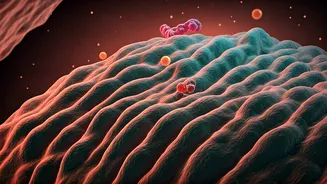
The gut microbiome, a bustling community of trillions of microorganisms, is fundamental to overall health, influencing far more than just digestion. Experts emphasize its pervasive impact on bodily functions, ranging from the immune system's efficacy to metabolic processes and even mood regulation. Pranshul Aggarwal, founder of LivLively, highlights that this dynamic ecosystem is intricately linked to our well-being, affecting energy levels and cognitive function. Dr. Akshay Rawat, a Consultant Gastroenterologist, corroborates this, stressing that a balanced microbiome is integral to preventing illness and maintaining physiological equilibrium. The intricate relationship between our gut flora and our physical and mental state underscores the importance of conscious dietary choices in cultivating a healthy internal environment.
Lost Diversity, Diminished Gut
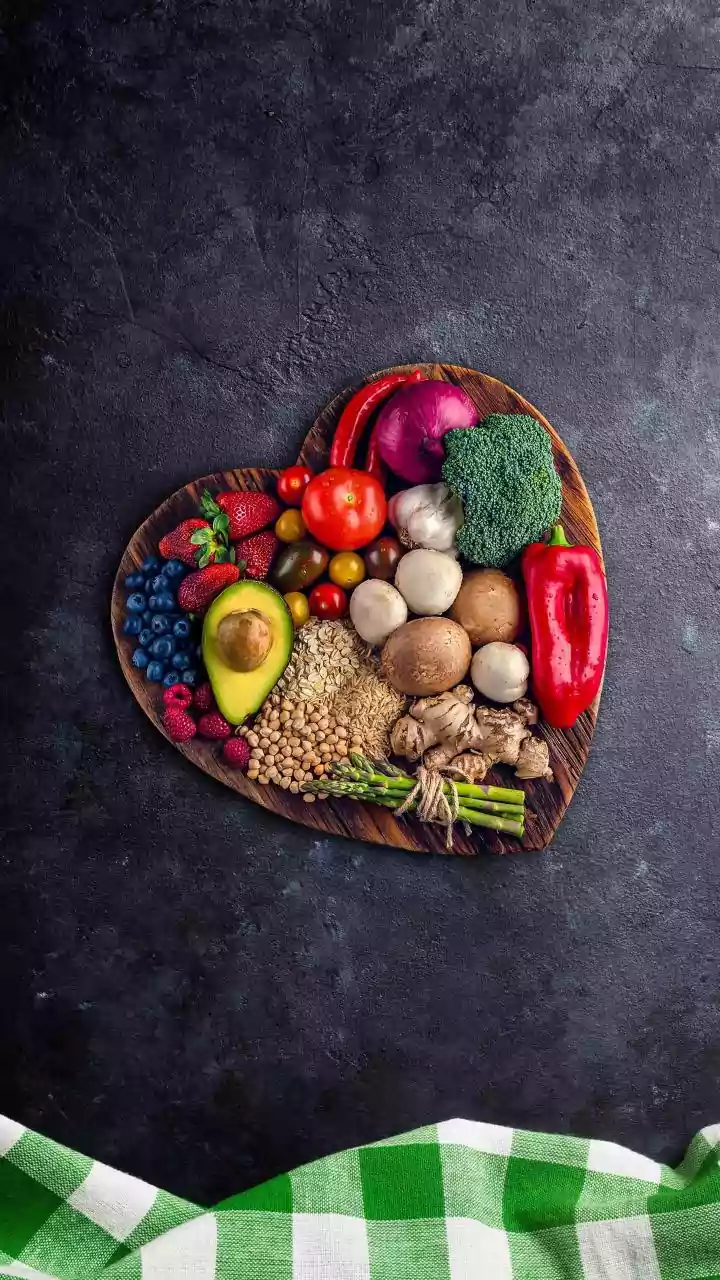
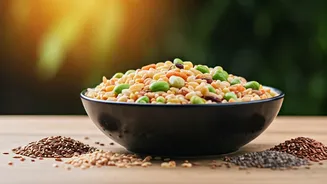
The primary concern regarding the modern Indian diet isn't its inherent unhealthiness, but rather the significant reduction in its traditional diversity, as noted by health professionals. Current eating habits often lean heavily on refined carbohydrates, an abundance of ultra-processed items, and a monotonous selection of plant-based foods. This lack of variety can disrupt the delicate balance of the gut microbiome over time, potentially leading to digestive discomforts like bloating, irregular bowel movements, persistent fatigue, and a compromised immune system. Dr. Rawat reinforces the notion that dietary variety is paramount for maintaining microbial equilibrium. He advocates for a balanced approach that incorporates a wide array of fruits, vegetables, legumes, whole grains, nuts, and seeds, all of which contribute to a healthier gut. Even incremental changes, such as broadening the spectrum of plant-based foods incorporated weekly, can foster greater microbial diversity, which research increasingly associates with enhanced overall health outcomes and resilience.
Reviving Gut-Friendly Habits
Reclaiming optimal gut health doesn't necessitate radical dietary overhauls; instead, it involves a conscious effort to reintegrate principles that have long characterized traditional Indian cuisine. This means emphasizing diversity in food choices, prioritizing seasonal ingredients, and favoring minimally processed foods. Reintroducing fiber-rich plant-based foods, incorporating traditional fermented dishes like idlis, dosas, and buttermilk, and adopting mindful eating practices are key strategies. Chewing food thoroughly, savoring meals slowly, and staying well-hydrated significantly aid digestion and nutrient absorption. Furthermore, reducing reliance on processed snacks, sugary drinks, maintaining consistent physical activity, ensuring adequate sleep, and abstaining from smoking and excessive alcohol consumption are crucial lifestyle adjustments. While modern wellness solutions can offer support, they should complement, not replace, the foundational benefits of a diet rooted in these time-tested practices, fostering a resilient and healthy gut.