




Ancient Idli's Roots
The idli, often perceived as quintessentially Indian, has a history that might surprise you. While it's a comfort breakfast for many across India, its
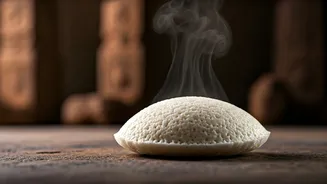
earliest forms likely differed significantly from the soft, steamed cakes we enjoy today. Historical records suggest that the idli of ancient times lacked key components like rice, fermentation, and the steaming process. This indicates that the dish was not always the fluffy, delicate preparation known to modern palates. Early mentions, such as those found in the writings of Shivakotiacharya, describe a dish that was fundamentally different, lacking the foundational elements that define the idli as we understand it now. This suggests a culinary evolution over centuries, where external influences and internal adaptations played a crucial role in shaping the idli into its current beloved form.
Indonesian Influence Unveiled
The steaming technique, now integral to idli preparation, was not a common practice in ancient India. Evidence suggests this method might have been introduced through culinary exchanges. Food historian K.T. Achaya postulates that the modern idli could be inspired by an Indonesian dish known as 'kedli.' This ancestral dish shared crucial characteristics with the idli: the use of rice, a fermentation process, and importantly, steaming. During the period between the 7th and 12th centuries, interactions between Indian kings and Indonesian regions, often involving travel for diplomatic or marital purposes, led to the movement of chefs and their culinary traditions. It is believed that these chefs, accompanying their royal patrons, brought recipes and cooking methods, including the preparation of 'kedli,' to India. This cross-cultural culinary transfer is thought to be the pathway through which the essence of the idli was introduced and subsequently adapted into the Indian gastronomic landscape.
Idli's Indian Adaptation
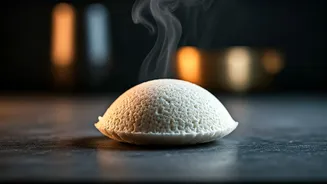
Following its introduction, likely through Indonesian culinary traditions, the idli underwent a significant adaptation process within India. The concept of steaming, once foreign, became integrated into local cooking practices, transforming the dish into the familiar soft, fluffy delicacy. Over time, the idli seamlessly became a part of India's everyday life, a testament to its versatility and appeal. It evolved into a go-to meal for various occasions – a light breakfast, a soothing option when feeling unwell, or simply a comforting, familiar taste. Beyond its comforting nature, the idli gained recognition for its inherent health benefits, offering a wholesome option without requiring extensive preparation or being perceived as overly caloric. This journey from a potentially foreign dish to an ingrained part of Indian cuisine highlights the dynamic nature of food and cultural exchange.
Modern Idli Innovations
The evolution of the idli hasn't stopped at its traditional form; its versatility has led to a wide array of innovative variations. Today, you can find idlis prepared with ingredients like Rava (semolina) for a different texture, Ragi (finger millet) for added nutrition, or even enhanced with Podi (a spice powder) for an extra kick. The stuffing of various ingredients has also become popular, creating miniature flavor bombs. For those with a sweet tooth, the existence of chocolate idlis, while perhaps unconventional, demonstrates the boundless creativity in adapting this versatile base. This continuous innovation showcases the idli's ability to adapt and remain relevant, catering to diverse tastes and dietary preferences while still retaining its core identity as a comforting and healthy dish.