





Fondue: Swiss Classic
Fondue, a quintessential Swiss dish, is a warm, communal experience perfectly suited for chilly evenings. This dish involves melting cheese in a communal pot,
then dipping bread into it. Beyond its simplicity, Fondue has a rich history tied to Swiss alpine culture. Originally created to utilize aged cheese, it evolved into a beloved social activity. The preparation of Fondue varies, but the core ingredients – cheese, wine, and a touch of kirsch (cherry brandy) – remain constant. Each bite is a savory and comforting experience. Enjoying Fondue is a celebration of community and warmth, a perfect antidote to winter's cold.
Raclette: French Cheese Feast
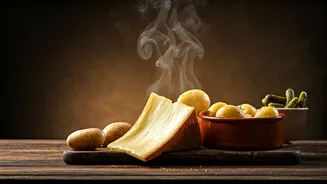
Originating from France, Raclette is another cheese-centric delight that is ideal for cold weather. This dish involves melting a wheel of Raclette cheese and scraping the melted portion onto potatoes, pickles, and other accompaniments. The name “Raclette” comes from the French word “racler,” meaning “to scrape.” This highlights the preparation method. Historically, it was a way for Swiss and French farmers to consume cheese. Its growing popularity has made it a global sensation. Raclette dinners are a convivial affair, gathering people around a table to savor the melted cheese and its accompanying flavors.
Gingerbread: German Spices
Germany's Gingerbread Cookies bring the festive spirit of winter. These spiced cookies, often shaped into intricate designs, have a rich history rooted in medieval times. Originally, they were a luxury, as the spices needed to make them were rare and costly. Gingerbread recipes vary by region, but key ingredients such as ginger, cinnamon, and cloves are essential for their warm, aromatic flavor. Enjoying these cookies during winter holidays has become a widespread tradition, and they are as much a symbol of the season as a tasty treat.
Hotteok: South Korean Delight
Hotteok is a popular street food in South Korea. These pancakes are made from a wheat flour dough that is filled with a sweet mixture of brown sugar, cinnamon, and nuts. This mixture then is fried on a griddle. The origins of Hotteok are traced back to the time of the Korean War, with Chinese immigrants. It has gained popularity. The combination of the crispy exterior and the gooey, sweet filling make Hotteok an irresistible treat. It is a symbol of warmth and comfort during the cold winter months in Korea.
Miso Soup: Japanese Nourishment
Miso Soup from Japan is a staple of Japanese cuisine, that provides warmth and nourishment. Made with fermented soybean paste (miso) and dashi (a type of broth), miso soup is often served with tofu, seaweed (wakame), and green onions. The origins of miso soup are rooted in ancient Japan, with the fermentation process of miso dating back centuries. Each ingredient adds a distinct flavor and texture, creating a balanced and flavorful soup. It is a fundamental part of the Japanese diet. It also has a reputation for its health benefits.
Champurrado: Mexican Warmth
Champurrado, a traditional Mexican beverage, provides a warm, comforting experience. This drink is made from masa harina (corn flour), water or milk, chocolate, cinnamon, and piloncillo (unrefined cane sugar). With its roots in the Aztec and Mayan cultures, champurrado was originally a drink made with corn, water, and spices. It evolved over time. Today, the addition of chocolate creates a rich, creamy beverage perfect for winter. It is frequently enjoyed during celebrations and holidays.
Hot Toddy: British Soother
The Hot Toddy, a warming drink that has its origins in the United Kingdom, is a classic beverage, ideal for a cold winter's night. Made with whiskey or other spirits, hot water, honey, lemon, and spices like cloves or cinnamon, the Hot Toddy's exact origins are not entirely clear. It is thought to have emerged in the 17th century. The mixture of the ingredients creates a comforting and soothing effect. Its popularity has transcended its origins, becoming a worldwide favorite for its ability to ward off winter chills and promote relaxation.
Borscht: Russian Comfort
Borscht, a hearty soup from Russia, provides nourishment during the winter. This vibrant beetroot soup often includes other vegetables, such as cabbage, potatoes, and carrots, and can be served hot or cold. Though beetroot is a core ingredient, Borscht recipes vary across the regions of Eastern Europe. Its origins are traced back to Slavic cultures. Traditionally, Borscht was made as a means of using seasonal ingredients. The soup's rich flavors and its ability to provide warmth make it a winter favorite.