
A Living Landscape
Loktak Lake, situated in Manipur, is a geographical marvel where the ground itself appears to breathe. This extraordinary phenomenon arises from the presence
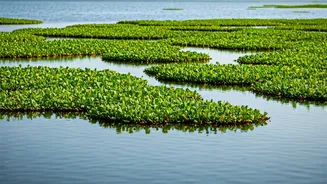
of 'phumdis'—massive, floating islands composed of soil, vegetation, and organic matter in varied stages of decomposition. These phumdis are the heart of the lake's ecological system, providing a platform for life and shaping the unique experience of walking on Loktak's shores. When someone steps onto these surfaces, they feel a subtle but distinct shift, a movement that immediately proves that what looks like solid land is, in fact, incredibly alive. This unique characteristic is what sets Loktak Lake apart as a truly exceptional location, making it a source of constant wonder and curiosity for those who visit.
The Floating Ecosystem
The phumdis are not just a visual spectacle; they are pivotal to the lake's overall ecosystem. They support a wide range of biodiversity, providing habitat and sustenance for diverse flora and fauna. These floating islands serve as the foundation for the world's only floating national park, Keibul Lamjao National Park, which is home to the endangered Sangai deer, also known as the brow-antlered deer. The phumdis move with the wind and the currents, creating a dynamic environment that constantly changes. This mobility also influences the distribution of nutrients and the overall health of the lake, making the phumdis an essential component for the lake's vitality. The continuous interaction between the phumdis, the lake's waters, and the life they support contributes to Loktak's distinctive and unparalleled natural environment.
Homes on the Water
Loktak Lake isn't just a place of natural wonders; it's also a place where people have created unique homes. Communities have learned to adapt and thrive within this dynamic environment, building houses directly on the phumdis or on stilts above the water. These floating homes are designed to withstand the movement of the lake and the seasonal changes in water levels. The presence of these homes shows how the local people have integrated with the lake's natural cycles, creating a symbiotic relationship between humans and the environment. These communities have a deep understanding of the lake, using its resources sustainably while embracing its ever-changing character. The floating houses and villages reveal a captivating blend of human ingenuity and environmental adaptation.