



The Pervasive Headache
A persistent, dull headache that tends to be most bothersome upon waking might be an indicator of elevated blood pressure. Unlike migraines, it often feels
like a tight band around the head or a heavy sensation at the back. This occurs because the natural morning surge in blood pressure becomes excessively strong in individuals with hypertension, placing undue stress on the delicate blood vessels within the brain. Over time, this daily strain can lead to chronic headaches, which are frequently treated with pain relievers instead of addressing the underlying cause of high blood pressure. Recognizing this specific headache pattern is vital for initiating timely medical evaluation and management before more severe complications arise from prolonged vascular strain.
Unexplained Fatigue's Grip
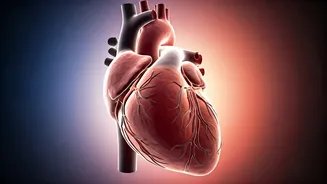
Experiencing profound tiredness without a clear reason, even after minimal exertion, can be a subtle sign of hypertension. When your blood pressure is consistently high, your heart is compelled to work significantly harder to circulate blood throughout your body. To cope with this increased workload, the heart muscle can thicken, a condition known as left ventricular hypertrophy. This heightened cardiac effort demands a substantial amount of energy, consequently depleting your body's overall stamina. Many individuals attribute this pervasive fatigue to aging or nutritional deficiencies, overlooking the possibility that it could be a symptom of their blood pressure working overtime, silently impacting their vitality and well-being.
Breathlessness in Daily Life
Difficulty breathing, not during strenuous exercise but during routine daily activities like walking to the gate, climbing a single flight of stairs, or even speaking while walking, can signal the detrimental effects of high blood pressure on the heart. Over an extended period, uncontrolled hypertension can lead to the stiffening of the heart muscle. This rigidity impedes the heart's ability to pump blood efficiently, forcing the lungs to work harder to meet the body's oxygen demands, a strain that can persist for years before outright heart failure becomes apparent. Often misidentified as a lack of physical fitness, this shortness of breath is a critical clue that the cardiovascular system is under significant stress.
Vision and Eye Strain
Changes in vision, including blurry eyesight, eye pain, or difficulty focusing, particularly at night or after prolonged screen use, can be linked to the impact of high blood pressure on the retina. The retina is one of the few parts of the body where blood vessels can be directly observed without surgery, making it an early indicator of hypertensive damage. This condition, known as hypertensive retinopathy, can sometimes develop without noticeable symptoms, and many individuals are first diagnosed with high blood pressure during a routine eye examination rather than a dedicated medical check-up. Paying attention to subtle changes in visual acuity or discomfort is therefore essential.
Heart Palpitations While Still
Experiencing noticeable heartbeats, not necessarily a rapid pulse but a distinctly palpable thumping sensation in the chest or ears, particularly when resting or lying down, can be a sign of hypertension. Elevated blood pressure contributes to the stiffening of arteries, which in turn causes pulse waves to become more forceful. To overcome this increased resistance in the arterial system, the heart must exert more effort with each contraction, making its beat more pronounced. This subtle awareness of one's heartbeat can often precede more significant structural changes within the heart muscle caused by prolonged high blood pressure.
Frequent Nosebleeds and Flushing
While not as common as other indicators, recurrent nosebleeds, especially when occurring spontaneously or while at rest, should not be dismissed as a minor inconvenience. In cases of significantly elevated blood pressure, the increased force can cause the fragile, small blood vessels within the nasal lining to rupture. Similarly, facial flushing can sometimes accompany sudden spikes in blood pressure. Adults experiencing unexplained or frequent nosebleeds should consult a medical professional to rule out hypertension as a contributing factor, as it can signal a more serious underlying issue.
Decreased Exercise Tolerance
A gradual yet noticeable decline in one's ability to sustain physical activity over weeks or months, such as a slower walking pace, is considered a highly reliable indicator of developing vascular stiffness, a common consequence of hypertension. As arteries lose their flexibility due to high blood pressure, they become less efficient at delivering oxygenated blood to muscles during exertion. This reduced blood flow can lead to decreased stamina and a feeling of fatigue during activities that were once easily managed. Many individuals attribute this decline to factors like stress, weather, or lack of sleep, rather than recognizing it as a sign of compromised arterial health and potential hypertension.