








Metabolic Survival Mode
When food intake ceases, the body enters a survival mode. During a 3-day water fast, the initial change is a depletion of glucose stores, the body's readily
available energy source. Once these are exhausted, typically within the first 24 hours, the body switches to burning fat for fuel through a process called ketosis. This process produces ketones, which become the primary energy source for the brain and other organs. The body also begins to break down proteins from muscle tissue to convert them into glucose through gluconeogenesis. This metabolic shift is the body's way of adapting to starvation, ensuring it can function despite the lack of external food sources. The body attempts to conserve energy by slowing down metabolic rate. This is done to preserve essential functions while adapting to the limited calorie intake, ultimately preparing it for a longer period of starvation if food availability continues to remain scarce.
Organ, Electrolyte Impact
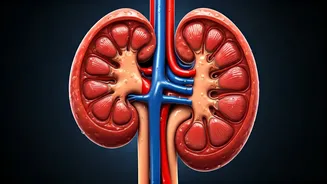
A 3-day water fast can affect different organs in different ways. The kidneys become more active as they work to filter out waste products from the breakdown of fat and proteins. The liver plays a crucial role in converting stored fat into ketones. Electrolytes, such as sodium, potassium, and magnesium, are often depleted during fasting. This can lead to imbalances that cause fatigue, muscle cramps, and heart palpitations. Dehydration is another concern, as the body loses water through urine and other processes. The impact on the digestive system is significant, as it receives no new food to process, leading to a reduction in enzyme production and a potential decrease in gut motility. The body also mobilizes glycogen stores in the liver and muscles. This mobilization can lead to initial weight loss that includes water weight. This should be considered since it is not necessarily the same as fat loss.
Muscle and Risks
During a 3-day water fast, the body may begin to break down muscle tissue for energy. This is because, once the body's glucose stores are depleted and ketosis is established, the body starts to catabolize muscle protein. This protein breakdown provides amino acids that can be converted into glucose through gluconeogenesis. The extent of muscle loss varies depending on factors such as the individual's body composition, activity levels, and overall health. Furthermore, there are several risks associated with prolonged water fasting. These include electrolyte imbalances, such as hyponatremia (low sodium), which can cause serious complications. Fasting can also worsen existing health conditions, such as diabetes or eating disorders. It can also lead to nutrient deficiencies if the fast continues beyond a short period. People with certain medical conditions should consult with their healthcare provider before considering a water fast to assess potential risks and determine if it is a suitable option.
Who Should Avoid?
Certain individuals should avoid water fasting altogether due to potential health risks. People with a history of eating disorders, such as anorexia or bulimia, should not fast as it can worsen their disordered eating behaviors. Those with diabetes, especially if they are taking insulin, should avoid fasting, as it can significantly affect blood sugar levels. Pregnant or breastfeeding women also should not fast, as it may deprive the developing fetus or infant of essential nutrients. Individuals with kidney problems or other chronic health conditions should also consult their doctor before considering a fast, as it could exacerbate their condition. Anyone experiencing symptoms like dizziness, weakness, or severe fatigue during a fast should stop immediately and seek medical attention. Before undertaking any fasting regimen, consulting with a healthcare professional to assess individual health status is crucial.