






The Bottle Dilemma
In contemporary India, evolving societal structures, marked by nuclear families and dual-income households, have led to an increased reliance on bottle-feeding
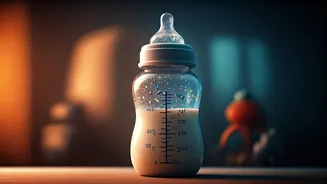
formula, particularly in the latter stages of infancy. While parents often scrutinize the contents of the bottle, the material of the bottle itself warrants significant attention. Emerging scientific evidence indicates that plastic containers may inadvertently introduce unintended substances into a child's diet. This concern gained traction when the Supreme Court of India acknowledged the scientific basis for mandating warning labels on PET bottles and plastic packaging, highlighting the potential presence of micro- and nanoplastics. This judicial endorsement underscores the urgency for parents to be informed about the research concerning plastic feeding bottles.
Beyond BPA Concerns
For years, discussions surrounding baby bottles primarily revolved around Bisphenol-A (BPA), an industrial chemical known for its use in plastic manufacturing. However, current scientific understanding reveals a more pervasive issue: microplastics, nanoplastics, phthalates, and a range of other chemicals can leach into milk and formula. This leaching occurs through various common preparation and usage methods, including heating, sterilization, vigorous scrubbing, and prolonged use. For infants, whose developing organs and immune systems are particularly vulnerable, the implications of exposure to these substances are more significant than for adults. A pivotal 2020 study published in Nature Food revealed that polypropylene feeding bottles can release an average of 1.6 million microplastic particles into infant formula during standard preparation, a statistic that raises substantial concern for daily exposure.
Widespread Contamination
The concern over plastic bottle contamination extends beyond infant formula. Recent research has detected microplastics in various biological samples, including newborn meconium, placenta, breast milk, and formula, indicating that plastic exposure can begin even before birth. A 2025 review in The Lancet Child & Adolescent Health pointed to links between plastic exposure and detrimental health outcomes in children, such as reduced IQ, hormonal disruption, and an increased risk of ADHD and obesity. Furthermore, a 2024 study conducted in Nagpur found microplastic contamination in all tested bottled water brands, highlighting that the water used to prepare formula is also a potential source. A UNICEF report from 2025 also identified India as a country where children face a particularly high risk from plastic exposure.
Glass: The Safer Choice
The label 'BPA-free' offers limited reassurance, as alternatives to BPA, such as BPS and BPF, have not been proven entirely safe. The American Academy of Pediatrics has advocated for the use of substitutes for plastic, specifically recommending glass whenever feasible, deeming it the 'gold standard' due to its inert nature. Glass bottles do not leach particles, degrade over time, absorb odors, or shed contaminants. This ensures that the pure contents are what the infant consumes. Recommendations from institutions like the Cleveland Clinic suggest storing milk in glass and only pouring it into bottles at feeding time to minimize plastic interaction. WebMD also notes that glass bottles are more durable, can be thoroughly sterilized by boiling, and do not pose the chemical risks associated with plastic. While glass bottles are heavier and can break, these are practical considerations, not medical concerns.