
Emerging Technologies Explored
The scientific and technological landscape is constantly transforming, with new breakthroughs continuously reshaping our understanding of the world and the way
we interact with it. Recent advances encompass a diverse range of areas, including artificial intelligence, renewable energy, and biotechnology. AI, for instance, is no longer limited to theoretical frameworks; it's increasingly integrated into practical applications, from healthcare diagnostics to autonomous vehicles. Renewable energy technologies, such as solar and wind power, are becoming more efficient and cost-effective, offering viable alternatives to fossil fuels. Biotechnology is witnessing remarkable strides in gene editing, drug discovery, and personalized medicine, leading to novel treatments and enhanced healthcare. These innovations promise to address global challenges, such as climate change, disease, and resource scarcity, while simultaneously presenting ethical and societal considerations that require careful examination. Ongoing research and development are crucial for harnessing the full potential of these emerging technologies, and their impact will likely continue to accelerate in the years to come, profoundly affecting various aspects of human life.
AI and Its Impact
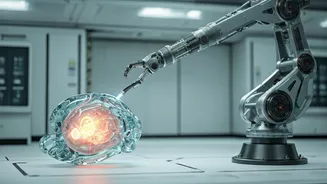
Artificial intelligence (AI) has emerged as a transformative force, revolutionizing industries and reshaping daily lives. AI algorithms are now deployed in diverse sectors, ranging from financial analysis to entertainment, improving efficiency and creating new possibilities. In healthcare, AI assists in diagnostic processes, predicts patient outcomes, and accelerates drug discovery. Manufacturing leverages AI-powered automation to optimize production, manage supply chains, and reduce costs. The transportation sector is witnessing the rise of autonomous vehicles, with the potential to transform urban mobility and improve road safety. However, the rise of AI also brings ethical and societal challenges. Concerns about algorithmic bias, data privacy, and job displacement are prompting discussions about responsible AI development and deployment. Navigating these challenges requires collaboration between researchers, policymakers, and the public to ensure that AI benefits society as a whole while mitigating risks. The ongoing evolution of AI necessitates a continuous assessment of its implications, fostering innovation while promoting ethical practices and mitigating potential negative impacts.
Renewable Energy Revolution
The transition to renewable energy sources has become critical in addressing climate change and ensuring sustainable development. Solar, wind, hydro, and geothermal energy are becoming increasingly important alternatives to fossil fuels. Technological advancements have improved the efficiency and affordability of these renewable sources. Solar panel technology has experienced significant improvements in energy conversion, increasing its overall effectiveness. Wind turbines have become larger and more efficient, capturing more energy from the wind. Investment in renewable energy infrastructure is growing globally, supported by government incentives and a rising awareness of environmental concerns. Renewable energy offers environmental benefits by reducing greenhouse gas emissions and improving air quality. It also promotes energy independence and diversification, reducing reliance on volatile fossil fuel markets. Despite the advantages, challenges remain, including the intermittency of some renewable sources and the need for energy storage solutions. Continued research, development, and policy support are crucial for accelerating the transition to a sustainable energy future, ensuring cleaner air, a healthier environment, and a more secure energy supply for generations to come.
Biotechnology Breakthroughs
Biotechnology is experiencing a period of extraordinary growth, fueled by advancements in genomics, genetic engineering, and synthetic biology. These breakthroughs are revolutionizing healthcare, agriculture, and environmental conservation. Gene editing technologies, such as CRISPR-Cas9, enable scientists to precisely modify DNA, leading to advancements in disease treatment and gene therapy. Drug discovery is accelerating, with biotechnological tools enabling the identification of novel therapeutic targets and the development of personalized medicine approaches. In agriculture, biotechnology is used to create crops that are resistant to pests, tolerate adverse weather conditions, and improve yields. Biotechnology is also being applied to environmental problems, such as bioremediation and waste management. The potential for biotechnological advancements is enormous. The benefits include the potential to cure diseases, improve food security, and address environmental challenges. Ethical considerations surrounding biotechnology are significant, requiring careful regulation and public dialogue to ensure its responsible development and use. By continuing research and development, biotechnology will have a profound effect on the health, well-being, and sustainability of the planet.
Future Tech Trends
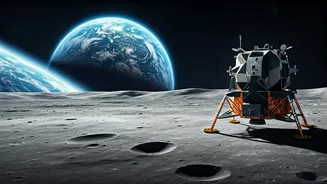
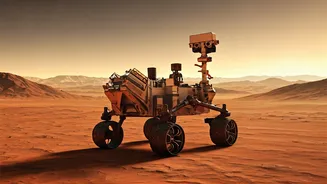
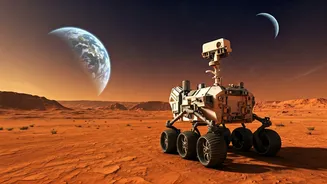
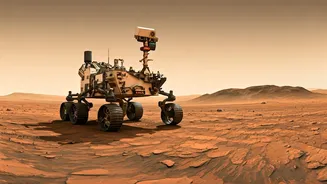
Looking ahead, several technological trends promise to shape the future of science and technology. Quantum computing holds the potential to revolutionize information processing. It will provide the capacity to solve problems that are currently intractable with classical computers. The Internet of Things (IoT) will continue to expand, connecting everyday devices and systems. This will create new opportunities for data collection, automation, and enhanced connectivity. The development of advanced materials, such as graphene and nanomaterials, will improve various technologies. These include electronics, energy storage, and biomedical devices. Biotechnology will continue to evolve, with breakthroughs in areas such as synthetic biology. It will create living systems for producing chemicals, fuels, and medicines. Space exploration is expected to progress, with private companies and governmental agencies working together. They're working towards missions to the moon, Mars, and beyond, expanding human presence and exploration in space. These technological trends have the potential to transform industries, improve human lives, and address global challenges. They will also require investments in research and development, educational programs, and infrastructure to fully realize their potential. The future of science and technology is promising, with many opportunities for innovation and discovery.