




High-Speed vs. Local
A frequent oversight among tourists is the failure to differentiate between high-speed and regional trains, a mistake that can significantly impact travel
time. For instance, opting for a local service when a high-speed express is available can transform a swift 45-minute journey into a three-hour ordeal, as experienced by one traveler in Italy. Experts emphasize the critical need to scrutinize train types before booking, as high-speed services, though pricier, are often essential for efficient travel and require advance reservations, unlike many slower regional lines. Understanding these distinctions is paramount to avoiding unexpected delays and ensuring your travel plans remain on schedule.
Advance Booking Necessity
For high-speed and premium European trains, pre-booking your tickets is not merely recommended but often essential. Unlike some domestic transit systems where tickets can be purchased on the spot, these services operate with assigned seating, meaning availability decreases and prices escalate closer to the departure date. Securing your spot in advance not only guarantees a seat but also offers opportunities to choose preferred seating arrangements, such as facing pairs with tables, which can enhance comfort. Furthermore, upgrading to business or first-class often presents a marginal cost increase for a substantially improved travel experience, making advance planning a key strategy for a comfortable journey.
Sidestep Rush Hour
When opting for regional or local trains, which typically lack seat reservations, passengers are strongly advised to avoid peak travel times. Traveling during rush hour can lead to standing-room-only conditions, making the journey uncomfortable, especially for vacationers who have flexibility in their departure times. Choosing later evening departures, for example, can provide a more relaxed experience with fewer crowds. This advice is particularly relevant for commuter routes connecting cities and suburbs, but also applies to popular weekend routes, such as those leading to coastal areas, where trains can become exceptionally crowded.
Pack Lightly
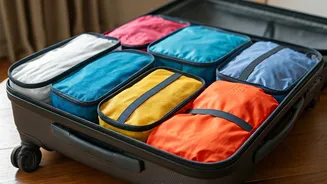
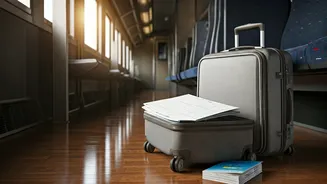
The limited luggage space on European trains necessitates a minimalist approach to packing. Travelers are urged to bring only a small rolling suitcase or a backpack, as managing multiple large bags can be cumbersome when navigating stairs, elevators, and escalators within stations. Beyond the physical inconvenience, carrying excessive luggage also heightens the risk of theft, as pickpockets may target tourists burdened with many bags. Keeping belongings secure and manageable is significantly easier when traveling light, ensuring a safer and less stressful transit experience.
Arrive with Buffer
While platform information is typically displayed 10 to 20 minutes before departure, it is prudent to arrive at the train station with a comfortable buffer time. Aiming for at least 20 minutes prior to boarding allows for unexpected delays or navigation challenges within the station. Some situations warrant even more time; for instance, international routes involving security checks and passport control, like those on the Eurostar, or trains in countries with heightened security measures, such as Spain, require a more extended arrival window to ensure a stress-free boarding process.
Sustain Yourself
Food and drink availability on European trains can be inconsistent, making it wise to come prepared. While some high-speed services offer onboard bar cars with refreshments, many regional trains provide very limited options, if any. Experts recommend purchasing provisions, such as sandwiches and snacks, from local station vendors or nearby shops before boarding. This strategy not only ensures better quality food but also provides a backup in case of unexpected train delays, preventing passengers from being left without sustenance for extended periods.
Flexible Tickets Matter
Similar to air travel, train tickets come with varying degrees of flexibility, and choosing non-refundable or highly restricted fares can lead to significant costs if plans change. Opting for flexible tickets, even if slightly more expensive, allows for modifications without hefty fees. This is particularly crucial for high-speed routes in countries like Italy, where 'super economy' tickets often prohibit any changes. Being able to adjust your booking can save you from having to purchase an entirely new, often pricier, ticket if you risk missing your original departure.
Board Correctly
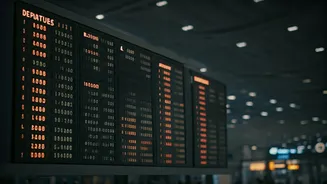
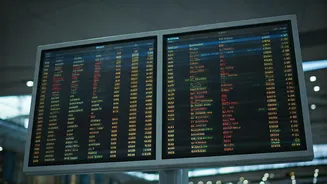
A common pitfall is boarding the wrong train due to misreading departure boards, which can lead to traveling in the opposite direction of your destination. It's vital to check the specific train number, not just the time and destination, as your intended stop might not be the train's final endpoint. For instance, a train from Rome to Florence might be headed for Milan. If you do find yourself on the wrong train, remain calm and locate a conductor to seek guidance rather than disembarking at the next station, which might have limited onward connections.
Avoid Strike Days
European rail systems are occasionally subject to strikes, which can cause significant disruptions. Travelers are advised, if possible, to schedule their journeys to avoid known strike periods. Many railway operators announce strikes in advance, often visible on travel apps. Postponing a trip by a few days until the strike concludes can prevent considerable delays and the necessity of finding alternative, potentially slower, transportation methods like buses, ensuring your travel plans remain intact.