




Crafting Your Kadhi Base
The foundation of this delightful raw mango kadhi begins with a smooth blend of creamy curd and wholesome gram flour. This mixture, combined with water,
forms the luscious gravy. It's crucial to whisk these ingredients thoroughly until they are completely lump-free, ensuring a velvety texture. Following this, a touch of vibrant turmeric powder, aromatic ginger paste, and salt are incorporated, creating a flavourful liquid base. This initial step is fundamental to achieving the kadhi's signature smooth consistency and balanced taste, setting the stage for the burst of flavour from the raw mango.
Infusing Mango's Zing
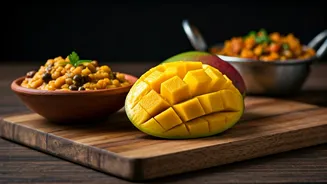
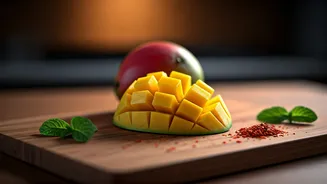
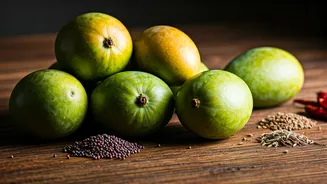
The star ingredient, raw mango, adds a unique tangy zest that distinguishes this kadhi. To prepare it, peel and chop the raw mango pieces, then gently cook them with a small amount of water until they become tender. This process softens the mango, allowing its natural sourness to meld beautifully with the other ingredients. Once the mango is cooked, the previously prepared curd and gram flour mixture is introduced into the pan. Continuous stirring on low heat is paramount here to prevent the curd from splitting, a common pitfall when cooking dairy-based dishes. The kadhi is then simmered gently, allowing the mango to subtly integrate into the curry, infusing it with its characteristic fresh, slightly fruity sharpness that is quintessential for a summer dish.
The Art of Tempering
To elevate the flavour and aroma of the raw mango kadhi, a classic Indian tempering, known as 'tadka' or 'chaunk', is prepared. This involves heating a teaspoon of oil in a separate small pan until it's hot. Then, a half teaspoon each of mustard seeds and cumin seeds are added; they should splutter and release their fragrance. Following this, one to two dried red chilies are added for a hint of heat, along with a sprig of fresh curry leaves, which crackle and impart a distinctive aroma. This flavourful tempering is then poured over the simmering kadhi and gently mixed. This final step not only enhances the visual appeal but also adds a delightful layer of spice and aroma, making the dish truly irresistible.
Smart Cooking Insights
Achieving the perfect raw mango kadhi involves a few smart techniques. Firstly, selecting a mango that is slightly sour is key to a balanced flavour profile, avoiding an overly sharp taste. Secondly, ensuring the curd and gram flour mixture is smooth is essential for preventing lumps and maintaining an even texture throughout the curry. Thirdly, cooking the kadhi slowly over low heat is vital to prevent the curd from splitting and to allow the flavours to meld harmoniously. Consistent stirring during the cooking process helps maintain a smooth, uniform consistency. Furthermore, water can be gradually added to adjust the kadhi's thickness to your preference. Finally, finishing the dish with a fresh tempering at the end significantly boosts its aroma and overall taste, making it a truly delightful culinary creation.
Nutritional Goodness Unveiled
This raw mango kadhi is more than just delicious; it's a powerhouse of nutrition, ideal for summer meals. A serving typically provides around 160 calories, making it a light yet satisfying option. It's a good source of protein, offering about 6 grams per serving, primarily from the gram flour and curd. Carbohydrates contribute around 18 grams, while healthy fats are present in about 5 grams. The dish also contains 2 grams of dietary fibre, promoting digestive health. Furthermore, it's a commendable source of Vitamin C, with approximately 20 mg, thanks to the raw mango, which also offers a refreshing zing. The combination of probiotics from the curd and vitamins makes this kadhi a balanced choice for overall well-being, supporting digestion and hydration during warmer months.
Ingredient Benefits Explained
Each component of this raw mango kadhi contributes distinct nutritional advantages and flavour profiles. Raw mango itself is prized for its fresh, tangy taste and its rich Vitamin C content, crucial for immune support and skin health. Curd, a fermented dairy product, is an excellent source of probiotics, which are beneficial bacteria that enhance gut health and aid digestion. Gram flour, or besan, provides a significant amount of plant-based protein and dietary fibre, contributing to satiety and digestive regularity. The spices used, such as ginger, turmeric, mustard seeds, and cumin, not only add depth to the flavour but also possess digestive and anti-inflammatory properties. Finally, the tempering, with its aromatic spices and curry leaves, enhances palatability and adds a final flourish of flavour and fragrance.