







Brain Ageing Decoded
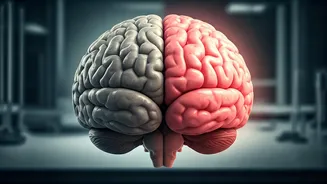
The concept of 'brain age' is a fascinating area of neuroscience, referring to how old a person's brain appears through magnetic resonance imaging (MRI)
scans, as opposed to their chronological age. A significant study conducted by the AdventHealth Research Institute has brought exciting news to light, suggesting that consistent engagement in aerobic exercise can actually help reverse or slow down this biological ageing process. Researchers found that participants who dedicated a full year to a structured aerobic exercise regimen exhibited brains that were, on average, nearly a year younger than those who maintained their usual activity levels. This discovery is particularly relevant during midlife, a crucial period for implementing preventive strategies that can yield substantial long-term benefits for cognitive function and overall mental well-being. Even seemingly small shifts in brain age can accumulate over many decades, potentially leading to clearer thinking and improved memory retention. The study, published in the Journal of Sport and Health Science, measured 'brain-predicted age difference' (brain-PAD) as an indicator of brain ageing. A higher brain-PAD is linked to diminished cognitive and physical performance, as well as an increased mortality risk. Dr. Lu Wan, the lead author, expressed optimism, stating that a straightforward, guideline-aligned exercise program can measurably rejuvenate the brain within just 12 months, offering hope for proactive brain health management through daily habits.
The Year-Long Trial
To investigate the effects of exercise on brain age, a clinical trial was meticulously designed, involving 130 healthy adults aged between 26 and 58 years. These participants were randomly divided into two distinct groups: one group committed to a moderate-to-vigorous aerobic exercise program, and the other served as a control group, continuing with their usual lifestyle habits. The exercise cohort engaged in two supervised, hour-long workout sessions weekly within a laboratory setting, supplemented by home-based activities to ensure they achieved approximately 150 minutes of weekly aerobic exercise. This regimen precisely followed the physical activity recommendations set forth by the American College of Sports Medicine. Throughout the 12-month duration of the study, researchers employed MRI scans to monitor changes in brain structure and assessed cardiorespiratory fitness by measuring peak oxygen uptake (VO2peak) at both the commencement and conclusion of the trial. This rigorous methodology allowed for a clear comparison of the physiological and neurological impacts of sustained aerobic activity versus a sedentary lifestyle.
Exercise's Youthful Effect
After the comprehensive 12-month period, the results of the trial revealed significant divergences between the two participant groups. Notably, individuals who consistently engaged in aerobic exercise demonstrated a discernible reduction in their brain age, whereas the control group, which did not alter their activity levels, experienced a slight increase in brain age. On average, the participants in the exercise group observed their brain-PAD decrease by approximately 0.6 years, signifying that their brains appeared biologically younger by the study's end. Conversely, the brains of those in the control group aged by about 0.35 years, a change that did not meet the threshold for statistical significance. When directly contrasted, the difference in brain age between the two groups was substantial, with the exercise group’s brains appearing nearly a full year younger. Dr. Kirk I. Erickson, a senior author of the study, highlighted the significance of these findings, even if the change is less than a year. He pointed out that previous research indicates each additional 'year' of brain age correlates with notable differences in later-life health outcomes. Therefore, positively influencing the brain's direction towards youthfulness during midlife could have profound implications for long-term health and cognitive vitality.
Unpacking the Mechanisms
The research team delved deeper into understanding the underlying reasons why regular exercise might exert such a positive influence on brain age. They investigated several potential contributing factors, including improvements in physical fitness, changes in body composition, alterations in blood pressure, and fluctuations in levels of brain-derived neurotrophic factor (BDNF), a crucial protein that supports the brain's ability to adapt and grow (plasticity). Intriguingly, while the exercise group did show clear enhancements in their fitness levels, none of these specific factors could statistically explain the observed reduction in brain-PAD. This outcome came as a surprise to the researchers. Dr. Wan commented that they had anticipated improvements in fitness or blood pressure to be the primary drivers of the effect, but this was not the case. This suggests that exercise may be working through a range of other, as yet unmeasured, mechanisms. These could involve subtle changes in the brain's physical structure, reductions in inflammation, improvements in vascular health, or other complex molecular processes that were not directly assessed in this particular trial.
Midlife: The Prime Time
Many studies exploring the connection between exercise and brain health tend to focus on older adults, often after significant age-related changes have already become apparent. However, this particular trial adopted a proactive stance by targeting individuals in early to mid-adulthood. The rationale behind this approach is that interventions made during these earlier years, when brain changes might be less conspicuous, have the potential to yield more profound and lasting benefits over time. Dr. Erickson emphasized the advantage of intervening during one's 30s, 40s, and 50s, suggesting it provides a significant head start. By helping to slow down the ageing process of the brain before major cognitive issues emerge, there's a greater possibility of delaying or even reducing the risk of cognitive decline and dementia in later life. This focus on midlife prevention offers a compelling strategy for long-term brain health preservation, moving beyond reactive measures to a more preventive approach.
Future Outlook and Advice
While the study's findings are encouraging, the authors rightly offer a note of caution. They acknowledge that the research involved a group of healthy, relatively well-educated volunteers, and the observed changes in brain age, though statistically significant, were modest. To gain a more comprehensive understanding and to ascertain whether these reductions in brain-PAD translate into a lower risk of serious brain-related conditions such as stroke or dementia, further research with larger cohorts and extended follow-up periods is essential. Nonetheless, the study provides a clear, evidence-based answer to a common question: 'Is there anything I can do now to protect my brain later?' According to Dr. Erickson, the findings strongly support the idea that adhering to current exercise guidelines—specifically, engaging in 150 minutes per week of moderate-to-vigorous aerobic activity—can indeed contribute to maintaining a biologically younger brain, even when initiated during midlife. This reinforces the power of consistent physical activity as a cornerstone of lifelong brain health.