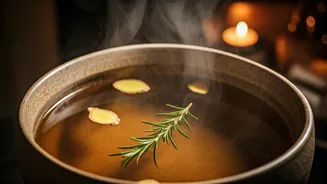








The Japanese Foot Soak
A widely shared health tip, purportedly a Japanese secret, suggests that soaking feet in hot water for 15-20 minutes can be a simple yet effective method
for stroke prevention, particularly for individuals over the age of 50. This practice is claimed to aid in expanding blood vessels, thereby enhancing blood circulation and promoting a sense of calm. Additionally, incorporating Epsom salt into the foot soak is said to contribute to improved sleep quality. While this ritual has gained traction, especially through social media endorsements from figures like Deepika Padukone's former nutritionist, the underlying scientific validity and practical implications are subjects of considerable discussion among health professionals. The proposed mechanisms include effects on blood flow and stress reduction, which are indirectly linked to cardiovascular health.
Expert Views on Efficacy
Medical professionals offer a more cautious perspective on the stroke-prevention claims associated with warm foot soaks. While acknowledging that such practices can offer temporary relaxation and comfort, experts like Dr. Pankaj Agarwal, a leading neurologist, emphasize that there is no concrete scientific evidence to substantiate the assertion that they can prevent strokes. Strokes are understood as critical medical events stemming from disrupted blood flow to the brain, frequently triggered by underlying conditions such as high blood pressure, diabetes, elevated cholesterol, smoking habits, and general lifestyle choices. The established and scientifically validated approaches to mitigating stroke risk involve consistent medical check-ups, adopting a balanced and nutritious diet, engaging in regular physical activity, and adhering to prescribed medications. Home remedies, including warm foot soaks, are not considered substitutes for these proven medical interventions.
Circulation and Stress: Limited Impact
The purported benefits of warm foot soaks, such as slightly improved circulation and stress reduction, are acknowledged by some medical experts, but their direct impact on stroke prevention is considered minimal and transient. Dr. Agarwal clarifies that these effects are primarily localized to the feet and do not significantly influence the deeper arterial pathways or the brain's blood supply, which are the critical areas for stroke prevention. The addition of Epsom salt, while potentially offering mild muscle relaxation or aiding sleep for some, also lacks a direct role in preventing strokes. This underscores the importance of approaching online health claims with a degree of skepticism, particularly for individuals over 50, who are advised to seek personalized medical guidance from qualified doctors rather than relying on unverified practices that might displace essential medical care.
Traditional Roots and Indirect Links
The practice of warm-water therapy for foot soaks has historical connections to traditional Japanese and Chinese medicine, where it's traditionally believed to harmonize bodily energy and enhance blood flow. Dr. Amit Saraf, an internal medicine specialist, notes that this ritual can indeed foster relaxation, which in turn may lead to a reduction in stress hormones and a slight decrease in blood pressure. Given that both stress and elevated blood pressure are indirectly associated with an increased risk of stroke, the practice could offer some tangential benefits. However, it's crucial to understand that while a warm foot soak might contribute to a feeling of well-being, it cannot replace the essential medical interventions and lifestyle modifications that are fundamental to safeguarding one's heart and brain health against the serious threat of strokes.
SMART Stroke Prevention
For robust stroke prevention, a comprehensive and proven strategy, often summarized by the SMART acronym, is recommended by medical professionals. This approach emphasizes four key pillars of health management. Firstly, 'Stop smoking' is non-negotiable, as tobacco use significantly elevates stroke risk. Secondly, 'Consume healthy meals,' which involves a diet rich in nutrients and low in processed and fried foods, is vital. Thirdly, 'Lead an active lifestyle,' encouraging regular physical activity like walking and running while minimizing sedentary behavior, plays a crucial role. Lastly, 'Regular checkups' are essential for monitoring weight, blood pressure, cholesterol, and blood sugar levels, alongside strict adherence to any prescribed treatments from a doctor. This holistic approach addresses the primary risk factors for strokes effectively.
Precautions for Specific Conditions
While warm foot soaks might seem harmless, individuals with certain pre-existing medical conditions should exercise caution. Dr. Saraf advises that people managing diabetes or peripheral neuropathy must be particularly vigilant about water temperature, as even mildly hot water can cause burns due to reduced sensation in the feet. Furthermore, prolonged exposure to hot water in foot soaks is generally not recommended for individuals suffering from severe varicose veins or heart failure. These conditions can be exacerbated by excessive heat and prolonged immersion, potentially leading to complications. Therefore, before incorporating any new home remedy, especially those involving temperature-sensitive practices, consultation with a healthcare provider is paramount to ensure personal safety and avoid adverse health outcomes.