





Dance Psychology Explained
Dance psychology delves into the intricate relationship between bodily movement and the mind, examining how engaging in dance impacts our cognitive abilities,
emotional states, and mental health. This emerging field investigates the profound psychological advantages that stem from both recreational and professional dance practices. Experts suggest that improvised dancing can fundamentally alter our thought processes and problem-solving approaches, suggesting a deep connection between our physical actions and our cognitive functions. The way we move is intrinsically linked to our hormonal makeup and genetic predispositions, influencing how we experience and benefit from dance. Current research consistently highlights dance's positive influence on brain function and its role in improving overall brain health, making it a compelling area of study for understanding human well-being.
Brain Activation Pathways
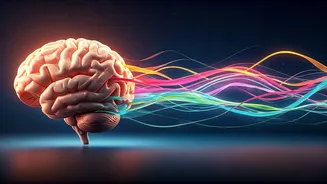
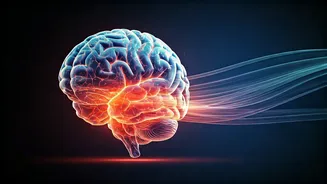
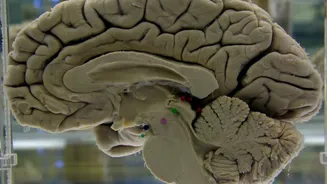
When you dance, multiple brain regions spring into action simultaneously. This complex activity engages areas responsible for motor control, memory recall, and emotional regulation. The intricate movements involved in dancing significantly enhance coordination, improve gait, sharpen balance, and refine spatial awareness. Beyond these immediate physical enhancements, the sustained practice of dancing leads to greater mental agility and better memory retention over time. Compelling studies indicate that regular participation in dance can reduce the risk of developing dementia, a testament to its neuroprotective qualities. Furthermore, dance actively promotes neurogenesis, the formulation of new neural connections, effectively rejuvenating the brain and fostering lifelong cognitive vitality.
Social & Emotional Synergy
The social dimension of dance plays an indispensable role in its profound psychological effects. When individuals dance together, particularly in group settings or synchronized routines, their brains release oxytocin, often referred to as the 'bonding hormone.' This release cultivates feelings of trust, fosters a sense of belonging, and encourages cooperation among participants. Dancing in unison, especially within a formation, instills a powerful sense of shared purpose. This collective experience generates an atmosphere of trust and harmony, enabling deeper connections to form between individuals. This communal aspect of dance significantly contributes to emotional well-being and strengthens social bonds, mitigating feelings of isolation.
Cognitive Enhancement Through Movement
Dance transcends mere physical exertion, acting as a powerful catalyst for enhancing cognitive capabilities. It provides a dynamic platform for exploring movement, creating novel sequences, interpreting varied rhythms, and synchronizing actions with music. This active engagement stimulates and strengthens the brain regions critical for creative thinking and effective problem-solving. Moreover, dance amplifies spatial abilities, allowing individuals to better understand and navigate their physical environment. The inherent nature of dance, which often calls for openness, spontaneity, and improvisation, cultivates adaptable thinking patterns. These qualities directly translate into improved aptitude for tackling complex problems in various aspects of life.
Hormonal & Genetic Influences
The remarkable psychological benefits derived from dance are intricately interwoven with the body's intricate chemical responses. Dancing acts as a trigger for the release of vital neurochemicals such as dopamine, serotonin, and endorphins. These hormones are directly responsible for inducing feelings of happiness, promoting relaxation, and enhancing overall mood. They contribute to a sense of grounding and emotional equilibrium, helping individuals feel more centered and resilient. While these positive effects are widespread, individual genetic makeup can influence one's aptitude and enjoyment of dance. Some individuals may naturally excel and find greater pleasure in dancing due to their genetic predispositions. This interplay between hormonal responses and genetic factors collectively enhances motor function, emotional regulation, and bolsters overall mental health.
Diverse Dance Styles, Varied Effects
While all forms of dance undoubtedly contribute to mental well-being, distinct styles can exert unique influences on the brain. For instance, hip-hop and freestyle dancing encourage uninhibited emotional expression and foster freedom of movement, allowing for cathartic release. In contrast, classical dance forms often cultivate discipline, focus, and perseverance through their structured nature. Partner dances like salsa and tango are particularly adept at strengthening the emotional bond between partners, enhancing social connection, and actively reducing feelings of loneliness. For individuals navigating specific mental health challenges such as anxiety, depression, or trauma, a more expressive, creative, and freestyle approach to dance is often recommended for its therapeutic potential.