






Combating Dry Eyes
The summer season, characterized by high temperatures, increased reliance on air conditioning, and general dehydration, often exacerbates dry eye conditions.
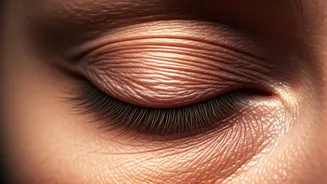
This discomfort manifests as a gritty feeling, stinging, and persistent irritation, making everyday activities unpleasant. To alleviate these symptoms and maintain ocular moisture, staying adequately hydrated is paramount. Incorporating lubricating eye drops can offer significant relief and help replenish the natural tear film. Furthermore, it is advisable to consciously avoid prolonged exposure to direct air currents from fans and air conditioning units, as these can accelerate tear evaporation and worsen dryness. Implementing these simple adjustments can make a considerable difference in managing dry eye discomfort during the warmer months.
Managing Allergies & Redness
As the weather warms, increased pollen counts and airborne dust particles become significant triggers for allergic conjunctivitis, commonly known as red eyes. This condition typically presents with intense itching, noticeable redness, and excessive watering, causing considerable discomfort. To mitigate these allergic reactions and prevent further irritation, it's crucial to refrain from rubbing your eyes, as this can worsen inflammation and potentially spread any existing irritants. Regularly cleansing your face helps remove allergens that may have settled on the skin. For persistent or severe symptoms, consulting with a healthcare professional for doctor-prescribed anti-allergic eye drops is recommended. These specialized drops can effectively target the allergic response and provide much-needed relief.
Essential UV Protection
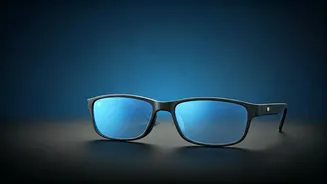
The sun's ultraviolet (UV) radiation poses a serious long-term threat to eye health, contributing to the development of conditions like cataracts and photokeratitis, a painful inflammation of the cornea. Protecting your eyes from these harmful rays is non-negotiable during sunny days. The most effective way to achieve this is by wearing oversized sunglasses that offer certified UV protection. Look for labels indicating that the lenses block 100% of UVA and UVB rays. Complementing your sunglasses with a wide-brimmed hat provides an additional layer of shade, further reducing the amount of UV light that reaches your eyes. This dual approach significantly minimizes the risk of cumulative UV damage, preserving your vision for years to come.
Preventing Swimming Infections
Summer activities often include swimming, but this can unfortunately lead to an increase in eye infections, particularly when pools are not adequately maintained. Chlorine, while essential for sanitation, can irritate the eyes, and contaminated water can harbor microorganisms that cause infections such as conjunctivitis (pink eye) or keratitis (corneal inflammation). To safeguard your eyes while enjoying a swim, it is vital to wear well-fitted swimming goggles that create a proper seal around your eyes. This barrier helps prevent water from entering and irritating your eyes. Additionally, consciously avoid opening your eyes underwater, as this significantly reduces the chance of pathogens entering and causing infection.
Hygiene & Contact Lens Care
Maintaining impeccable hygiene is a cornerstone of preventing eye infections, especially during warmer months when the risk is higher. Simple practices like avoiding the sharing of towels and eye cosmetics can prevent the transmission of bacteria and viruses. For individuals who wear contact lenses, vigilance is even more critical. It is strongly advised to remove contact lenses before swimming, showering, or sleeping, as these activities increase the risk of contamination. Adhering to strict cleaning and disinfection routines for lenses, as recommended by your eye care professional, is also paramount to prevent serious eye health issues.
When to Seek Help
While many summer eye issues can be managed with simple precautions, it's important to recognize when professional medical attention is necessary. If you experience persistent eye redness that doesn't subside, significant eye pain, unusual discharge from the eye, or a noticeable blurring of your vision, these symptoms warrant prompt evaluation by an ophthalmologist. Early consultation with an eye care specialist is crucial, as it can prevent minor issues from escalating into more severe complications. Timely diagnosis and treatment are key to ensuring your eye health is restored and maintained effectively.