




Rushing After Landing
A frequent source of cabin chaos is the immediate surge towards the overhead bins the moment the aircraft touches down, often before the seatbelt sign
has been switched off. This hasty scramble can pose safety risks as the plane may still be taxiing, and it invariably hinders the orderly deplaning process. Passengers who wait for the seatbelt sign to extinguish and then proceed row by row contribute significantly to a smoother, more efficient, and safer exit for all, preventing bottlenecks and allowing everyone to retrieve their belongings without unnecessary stress.
Overhead Bin Blunders
The overhead compartments are intended for shared use, yet many travelers treat them as personal storage spaces, leading to frustration. A common issue involves passengers attempting to force oversized or overstuffed luggage into bins, making it difficult for others to find room. Equally prevalent is the mistake of stowing small items like purses or backpacks in the overhead bins, when they would be more appropriately placed under the seat in front. This practice consumes valuable bin space and necessitates intervention from flight attendants to rearrange bags, thereby extending the boarding duration and causing delays for the entire flight.
Aromatic Food Faux Pas
While it's understandable to bring your favorite snacks aboard, carrying strongly scented foods onto an airplane can quickly create an unpleasant environment for fellow passengers. Aromas from items such as fish, certain egg dishes, or intensely spiced meals can permeate the cabin and linger, diminishing the comfort of the journey, especially on longer flights. Given the recirculated air system in aircraft cabins, choosing snacks with more neutral or mild scents is a considerate practice that helps maintain a more agreeable atmosphere for everyone traveling.
Headphone Hype
The quiet confines of an airplane cabin amplify even the smallest noises, making the use of headphones essential. Flight attendants frequently observe passengers playing music, videos, or games aloud, disregarding the auditory disruption it causes to those seated nearby. This is particularly problematic when parents allow children to do the same, often to keep them entertained, without realizing the annoyance it generates. For a more peaceful flight, ensuring that both adults and children use headphones for all audio content is a simple yet crucial act of consideration for fellow travelers.
Reclining Responsibly
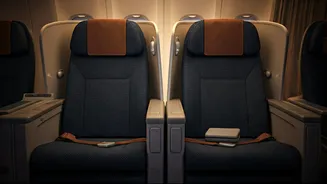
Reclining one's seat is a standard feature of air travel, but the manner in which it's done can significantly impact others. A common oversight is reclining without first checking if the action will impinge on the space or activities of the passenger behind. A sudden recline can disturb someone working on a laptop, disrupt meal service, or even cause spills. A brief glance backward or a slow, deliberate recline can prevent such inconveniences. For passengers concerned about limited legroom, particularly on extended journeys, opting for seats with extra legroom is a proactive solution rather than expecting others to forgo their recline.
Lavatory Timing Troubles
Navigating the narrow aisles becomes particularly challenging when meal and drink carts are in use. Flight attendants often face the disruption of passengers attempting to pass by these carts to access the lavatory. This creates congestion and slows down the service for everyone. To ensure a smoother experience for both passengers and crew, it's advisable to use the restroom either before the service begins or to wait until the carts have completely passed your seating area, minimizing disruption and promoting efficient movement within the cabin.