





Ancient Origins and Royal Evolution
Biryani's story begins with Persian influences, where the name itself is thought to derive from 'birian,' meaning 'fried before cooking.' When the Mughals
brought their sophisticated culinary arts to India, they merged these traditions with local ingredients and aromatic spices. Royal kitchens transformed this nascent dish into a masterpiece, employing the meticulous 'dum' cooking method where ingredients are sealed to meld flavors gradually. This technique, combined with par-cooked rice and marinated meats, created the distinct, layered experience that defines biryani. As chefs moved between royal courts, biryani's preparation and ingredients began to adapt, laying the groundwork for its widespread popularity and eventual journey across continents.
Regional Diversity and Identity
What makes biryani truly remarkable is its ability to embrace regional individuality, defying standardization. Each Indian state boasts a unique rendition, offering a distinct culinary narrative. Hyderabad's version is celebrated for its robust spices and raw meat layered directly with rice for dum cooking. Kolkata's biryani, influenced by historical exiles, is characterized by subtler spices and the inclusion of potatoes. Lucknow's Awadhi biryani emphasizes elegance and delicate flavors. Further south, Tamil Nadu's Dindigul biryani utilizes seeraga samba rice for a tangier profile, while Kerala's Malabar biryani balances sweetness with spice, often enhanced by additions like fried cashews. This inherent adaptability, its capacity to absorb local tastes while retaining its core essence, has been pivotal in biryani's international success, allowing it to resonate with diverse palates.
Sensory Appeal and Key Components
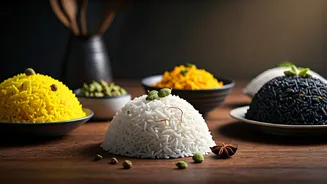
Biryani's captivating allure stems from its multi-sensory engagement. The fragrant aroma of basmati rice, infused with saffron and a symphony of spices, captivates the sense of smell, while the interplay of textures—fluffy rice grains against tender meat or vegetables—delights the palate. A cornerstone of its distinctiveness is 'birista,' caramelized fried onions, which provide a crucial layer of sweetness, depth, and umami that unifies the dish. These golden onions aren't mere garnish; their slow browning process unlocks sugars that contribute to the complexity and signature scent. The artful layering of ingredients is another secret, ensuring that each spoonful offers a slightly different, yet consistently satisfying, flavor experience, making it deeply enjoyable and endlessly craveable.
Modern Dominance and Delivery Success
Biryani's contemporary global popularity is significantly bolstered by its inherent suitability for modern food delivery systems. Unlike dishes that can degrade during transit, biryani's flavors actually deepen and meld further with resting time, making it an ideal takeaway option. Food delivery platforms consistently highlight biryani as a top-ordered item, attributing its success to its convenience as a complete meal in a single container. Its appeal extends beyond convenience; the Indian diaspora played a crucial role in introducing biryani to international cities, where it was embraced by non-Indian audiences as a comforting and familiar dish. Restaurants worldwide have further adapted it, offering it as both accessible street food and gourmet dining, showcasing its remarkable versatility.
Accompaniments and Eating Culture
In India, biryani is rarely enjoyed in isolation; the complete experience is built around harmonious accompaniments. Cooling raita, typically made with yogurt and cucumber, provides a refreshing counterpoint to the dish's richness. Salan, a tangy, often nutty gravy popular in Hyderabadi cuisine, adds moisture and a contrasting flavor profile. Some regions include boiled eggs or spicy gravies, while others opt for simple onion salads with lemon. The consumption of biryani itself varies; it's often a weekend or celebratory meal in many households, but has transitioned into an everyday indulgence in urban settings, ordered for late-night work, sporting events, or moments of emotional comfort. The proliferation of affordable roadside stalls serving it in budget-friendly portions further cements its status as an accessible, satisfying meal for a broad spectrum of the population.
Vegetarian Biryani Debate and Inclusivity
A persistent and passionate discussion revolves around whether vegetarian biryani truly merits the name, with purists arguing that its historical foundation is meat-centric and that vegetable versions lean closer to pulao. Their reasoning often centers on the belief that slow-cooked meat fats contribute irreplaceable depth to flavor layering. Nevertheless, vegetarian biryani has cultivated a substantial and devoted following. Ingredients like paneer, mushrooms, jackfruit, and plant-based alternatives are now skillfully employed to replicate the richness traditionally associated with meat. In many Indian homes, particularly those guided by dietary preferences or religious observances, vegetable biryani is not a substitute but a cherished culinary tradition in its own right. It's also worth noting that many individuals globally encounter vegetarian biryani first, making it an accessible entry point into the broader spectrum of Indian cuisine. This ongoing debate, rather than creating division, actively contributes to biryani's cultural vitality and continuous reinterpretation.
Emotional Universality and Lasting Legacy
Ultimately, biryani's position as one of the world's most frequently ordered dishes is rooted in its profound emotional universality. It masterfully adapts without sacrificing its authentic character, evoking feelings of festivity, comfort, luxury, and familiarity simultaneously. Whether presented at grand weddings, served from humble street-side pots, or delivered during late-night cravings, biryani consistently promises abundance and satisfaction. The ritualistic preparation—the patient layering, the sealed pot trapping precious aromas, and the building anticipation before the first revealing spoonful—creates a unique sensory moment. In an era where food is increasingly valued for its narrative, biryani offers centuries of migration, culinary innovation, and collective memory. Each region imbues it with its distinct history, mirroring the intricate layering of rice and spices. This inherent richness and adaptability allow biryani to traverse borders effortlessly, delivering a consistent experience of a dish crafted with patience, intended for sharing, and destined to be unforgettable.