




Abrasive Sponges' Hidden Danger
Many home cooks are unaware that the scrubby side of a standard kitchen sponge, designed for tough messes, poses a significant threat to the finish of modern
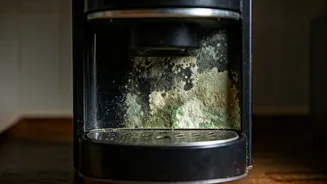
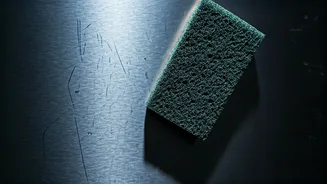
appliances. These abrasive surfaces are often embedded with harsh materials like aluminum oxide, bonded together with strong resins, making them effective at tackling baked-on food but disastrous for delicate appliance exteriors. When used on stainless steel or painted surfaces, which possess fine, uniform grain lines, the abrasive action disrupts this pattern, leaving behind visible scratches and a dulled appearance. This isn't just about aesthetics; the abrasive nature can also strip away protective coatings and even printed lettering on control panels, making them fade or disappear entirely. Essentially, treating your appliance with such a sponge is akin to using very fine sandpaper, causing permanent damage that cannot be undone.
Gentle Cleaning for Appliances
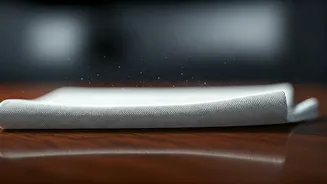
To preserve the immaculate condition of your kitchen appliances, it's crucial to adopt a gentler cleaning approach. The go-to solution recommended by experts is a microfiber cloth, renowned for its ability to lift dirt and grime without causing any scratches. Typically, warm water with a mild detergent or an all-purpose cleaner suffices for removing everyday fingerprints and grease. For stainless steel appliances specifically, opt for a non-abrasive cleaner formulated for this material, and always wipe in the direction of the grain to prevent unsightly streaks. Should a stubborn residue persist, use only the soft side of a sponge or a non-scratch pad for removal, steering clear of anything with a coarse texture. Promptly drying the surface after cleaning is also a vital step in preventing the formation of water spots, ensuring a streak-free, polished look.
When Abrasives Are Okay
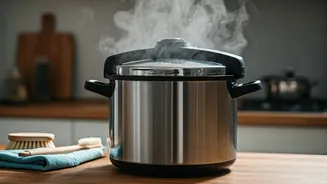
While abrasive sponges should be strictly avoided on appliance exteriors and other delicate surfaces, there are specific scenarios where their strong scouring power is not only permissible but beneficial. These heavy-duty tools are best reserved for items and surfaces that can withstand intense scrubbing without succumbing to damage. This category includes items like cast iron cookware with rust or thick buildup, though it's imperative to re-season the pan afterward. Uncoated steel pans exhibiting burned-on residue, metal grill grates, oven racks, and certain ceramic bakeware with baked-on food are also suitable candidates for abrasive cleaning. Additionally, some robust surfaces like specific types of tile or concrete can benefit from the heavy-duty scrubbing power of an abrasive sponge to remove stubborn grime and stains.
What Not to Scrub
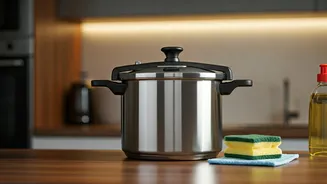
The list of surfaces that should never encounter an abrasive sponge is extensive and vital for appliance longevity. Beyond the obvious appliance exteriors like stainless steel, painted finishes, and plastic panels or displays, this also extends to glass cooktops, ceramic, and induction cooktops. Non-stick cookware, chrome fixtures, and any item featuring printed lettering, such as control panels, are equally vulnerable. Touchscreens, soft metals like aluminum or copper, and even the seasoned surface of cast iron cookware can be irrevocably damaged. Using an abrasive sponge on any of these items risks visible scratches, removal of essential protective coatings, dulling of the finish, or outright permanent damage, underscoring the importance of choosing the right cleaning tool for the job.