




Hydration Takes Priority
During hot weather, your body expends more fluids through perspiration, making hydration a critical concern. A 2019 study highlighted how dehydration can
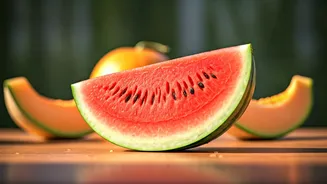
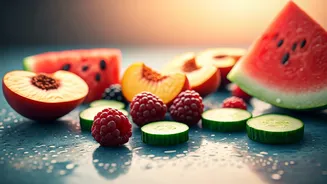
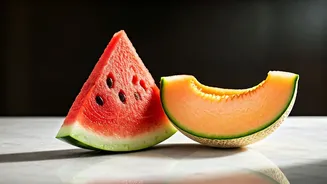
subtly influence our food preferences, steering us towards options with a higher water content. This explains the appeal of fruits like watermelon and cucumber, which not only replenish lost fluids but also provide a light source of energy. Consequently, heavier, drier foods might feel less desirable as your system prioritizes fluid intake to maintain balance and function optimally. Embracing these watery options becomes a natural response to the increased physiological demand for water. This phenomenon is directly linked to how our bodies regulate essential functions when faced with elevated temperatures, ensuring survival and well-being.
Thirst and Hunger Signals
The brain's mechanisms for signaling thirst and hunger are intricately linked. While distinct, these signals can sometimes become intertwined, leading to a sensation that can be interpreted as either hunger or thirst. Nutritionist Rupali Datta explains that in certain situations, your body might be signaling a need for fluids, but you perceive it as a craving to eat. Watery fruits offer a perfect dual solution, satisfying both the body's requirement for hydration and a mild sense of fullness. This makes them an ideal choice when you're unsure whether you're thirsty or a bit hungry, providing a refreshing and effective way to address both needs simultaneously without overtaxing your digestive system.
Cooling Sensory Experience
Beyond simple hydration, the very nature of watery foods offers a cooling sensation that is highly beneficial in warm conditions. Sensory science suggests that foods with a high water content, a light texture, and a juicy mouthfeel are perceived as more refreshing and thirst-quenching. This aligns with our innate preference for lighter textures and cooler temperatures when the heat intensifies. The experience of consuming a chilled, juicy fruit like watermelon mimics the feeling of drinking water, providing immediate relief and comfort. This contrasts sharply with the heavier, often warmer, sensation of consuming hot, oily meals, making water-rich fruits a more satisfying and comfortable choice for sensory pleasure and temperature regulation.
Reduced Appetite Due to Heat
Elevated external temperatures naturally lead to a decrease in overall appetite. This is a biological mechanism designed to minimize internal heat production, which is a byproduct of digestion. A 2013 study indicated that processing heavier meals requires more energy, thereby slightly increasing body temperature. To counteract this, the body favors lighter foods that are easier and quicker to digest, placing less metabolic demand on the system. This is why you might find yourself instinctively opting for smaller, water-rich snacks like fruits rather than substantial, cooked meals during periods of intense heat, allowing your body to maintain a more stable internal temperature.
Quick Energy Source
Watery fruits are an excellent source of natural sugars, providing a rapid and easily accessible energy boost without the heavy feeling often associated with processed foods. Their high water content complements this by keeping you hydrated and feeling refreshed. Research into food and beverage cravings suggests that these desires are often rooted in physiological necessities, such as maintaining energy balance and fluid levels, rather than mere habit. Therefore, when your body seeks both hydration and a light, quick burst of energy, fruits emerge as an exceptionally convenient and effective option, fulfilling these fundamental needs efficiently.