






Cooking Oils
During the sweltering summer months, your cooking oils are particularly vulnerable to the combined assault of heat and sunlight. This dynamic duo can accelerate
the process of rancidity, a chemical change that not only degrades the oil's flavour, rendering your dishes less appealing, but can also impact its nutritional value and even make it less healthy to consume. Instead of keeping your oils in their usual spot near the stove, which can become quite warm, it's far more beneficial to find a cool, dark cupboard or pantry. This environment shields them from direct light and fluctuating temperatures, significantly extending their freshness and preserving their delicate taste.
Flavorful Spices
The vibrant essence of your favourite spices is easily diminished by summer's high temperatures and pervasive humidity. Exposure to warmth and moisture can cause ground spices to lose their aromatic potency and bold flavour profiles at an accelerated rate, making them less effective in your culinary creations. To ensure your spice rack remains a powerhouse of flavour, it's crucial to store them away from heat-generating appliances like ovens and stovetops, and to keep them in a location that isn't prone to excessive humidity. A dry, dark pantry shelf is ideal for preserving their quality and ensuring they continue to add that essential zest to your meals for a much longer period.
Potatoes' Best Spots
Potatoes, those versatile tubers, have a particular dislike for the warm kitchen environment that summer often brings. Elevated temperatures can trigger them to sprout prematurely, a sign that their internal processes are initiating a new growth cycle, and can also hasten their overall spoilage. To prevent this, it's advisable to store potatoes outside of the main kitchen area whenever possible. Opt for a cool, well-ventilated spot, such as a basement, a cool pantry, or even a shaded corner of a garage, where the temperature remains more stable and cooler than your everyday cooking space.
Onions Thrive Cool
Much like potatoes, onions are susceptible to rapid decay when subjected to heat and moisture, conditions that are often amplified in a summer kitchen. The warmth and dampness can quickly lead to softening, sprouting, and eventual rotting, making them unusable. For optimal longevity, onions require a storage environment that is both dry and airy. Avoid stuffing them into a hot corner of your kitchen; instead, a dry pantry or a well-ventilated basket in a cooler part of your home will help them stay firm and fresh for significantly longer.
Chocolate's Chill
Summer's intense heat poses a significant threat to one of life's greatest pleasures: chocolate. Its low melting point means that even moderate warmth can cause it to soften, melt into an unappealing liquid, and lose its characteristic smooth texture. During heatwaves, it becomes essential to protect your chocolate stash. The most effective way to maintain its desirable consistency and flavour is to refrigerate it. While it might be tempting to leave it on the counter, a cool environment will prevent that dreaded melt and keep your chocolate perfectly palatable.
Bread's Brief Life
The combination of elevated temperatures and increased humidity typical of summer can create an ideal breeding ground for mould on bread. This means your loaves might become fuzzy and inedible much faster than you're accustomed to. To combat this accelerated spoilage, consider storing your bread in the refrigerator. The cooler environment significantly slows down mould growth. Alternatively, a practical approach is to simply purchase smaller quantities of bread more frequently, ensuring you consume it before the warm weather has a chance to affect its freshness.
Fruity Freshness Tips
Many of your favourite fruits, such as bananas and apples, experience a dramatically accelerated ripening process when exposed to the summer heat. This rapid maturation can quickly lead to overripeness and eventual spoilage, turning perfectly good produce into mush. To extend the life of these fruits, find cooler spots for them away from direct sunlight and heat sources. For even greater preservation, especially during particularly warm spells, don't hesitate to place them in the refrigerator to significantly slow down their ripening and prevent them from going bad prematurely.
Dairy's Cool Storage
Dairy products, including milk, butter, and various cheeses, are highly perishable and have a very low tolerance for warmth. Even brief periods of being left out at room temperature, particularly in the heat of summer, can cause them to spoil rapidly, compromising their taste, texture, and safety. It is imperative to ensure that these items are immediately returned to the refrigerator after every use. Consistent refrigeration is the only reliable way to inhibit the bacterial growth that leads to spoilage and maintain the quality and edibility of your dairy essentials.
Nuts & Dry Fruits
The natural oils present in nuts and dried fruits make them vulnerable to spoilage when exposed to elevated temperatures. Summer's heat can cause these oils to turn rancid, imparting an unpleasant taste and aroma, and potentially affecting their quality. To preserve the delightful crunch of your nuts and the chewy texture of your dried fruits, it is highly recommended to store them in the refrigerator during hot weather. This cool environment will help maintain their freshness and prevent the oils from degrading.
Grains & Flour Fortified
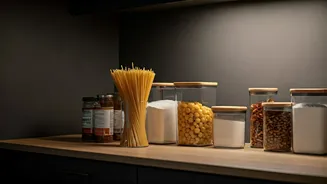
Dry goods like grains and flour, staples in many kitchens, can also fall victim to summer conditions. The combination of heat and humidity creates an environment that is not only conducive to spoilage but also acts as a magnet for pantry pests. To safeguard your dry grains and flour, it's crucial to store them in airtight containers. These containers will protect them from moisture and deter insects. Furthermore, ensure these containers are kept in a cool, dry location, away from any sources of heat, to maximize their shelf life and prevent contamination.