


The Power of Light
Natural light is your best friend in food photography. Position your subject near a window, but avoid direct sunlight, which can create harsh shadows and
overexposed highlights. Diffuse the light using a sheer curtain or a diffuser to achieve a soft, even glow. This gentle illumination sculpts the food, revealing its textures and colors beautifully without overwhelming the viewer. Experiment with side lighting, which adds depth and dimension, or backlighting to create a luminous halo effect around delicate ingredients. Understanding how light interacts with food is fundamental to creating visually appealing images that evoke warmth and appetite. Consider using reflectors, like a white card or foam board, on the opposite side of the light source to bounce light back into the shadows, filling them in and adding subtle detail. Artificial lighting can also be effective, but aim to mimic the qualities of natural light by using softboxes or diffusers to avoid the starkness of direct bulb light. The goal is to make the food look fresh, inviting, and true to its natural appearance.
Composition is Key
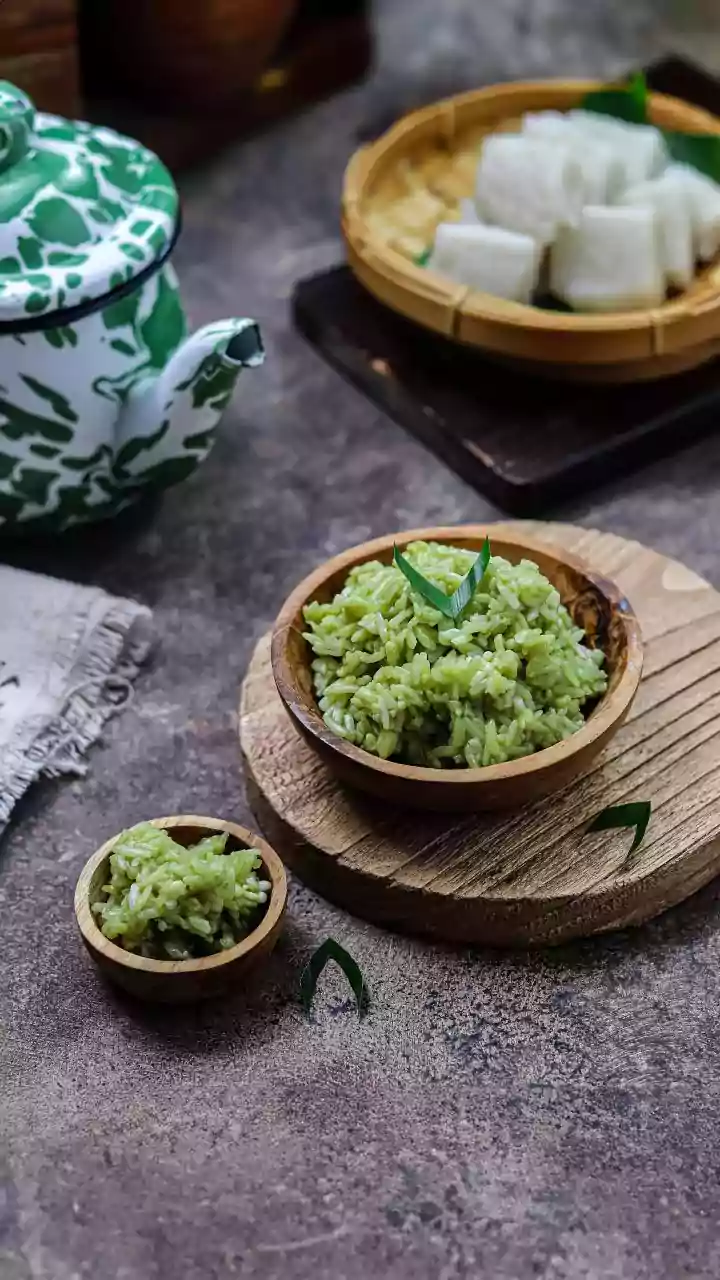
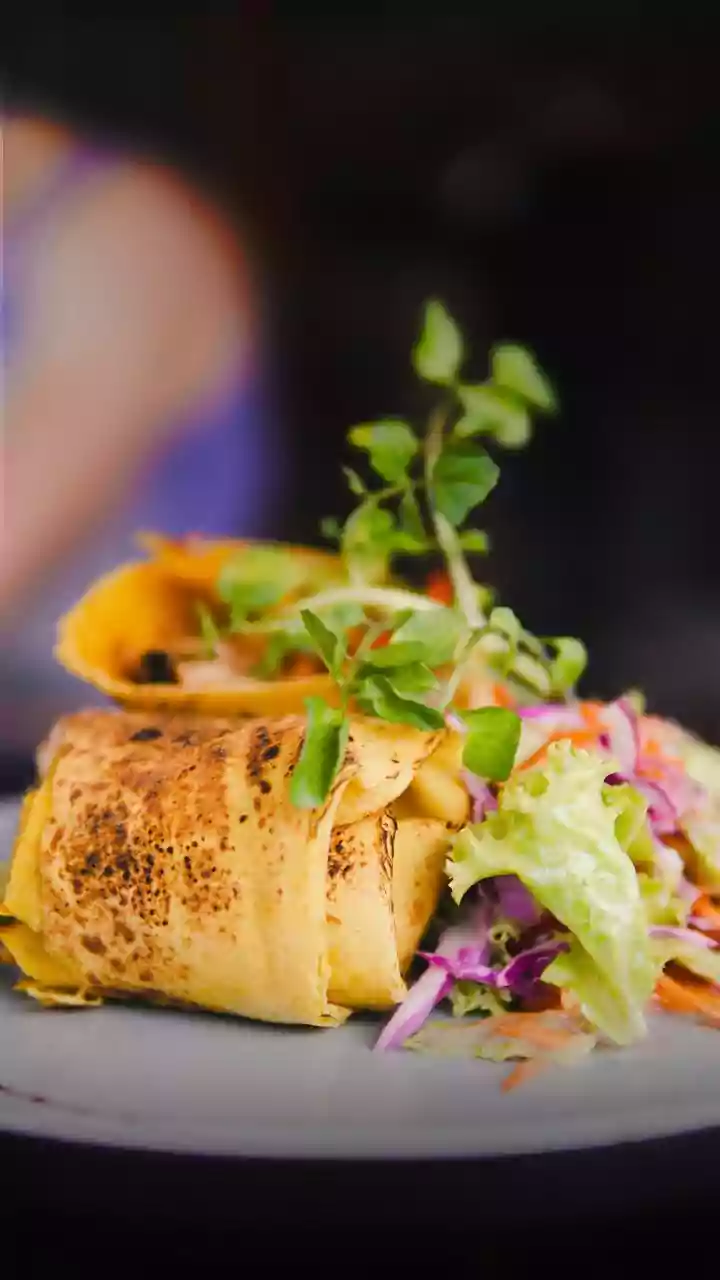
Beyond just pointing and shooting, thoughtful composition guides the viewer's eye and tells a story. Employ the rule of thirds by mentally dividing your frame into nine equal sections and placing your main subject along these lines or at their intersections. This creates a more dynamic and visually interesting image than simply centering the dish. Consider different angles: a top-down shot can showcase a platter of appetizers or a beautifully arranged dessert, while a 45-degree angle offers a more traditional perspective that highlights layers and textures. Negative space, the empty areas around your subject, is also crucial. It prevents clutter and allows the food to breathe, drawing more attention to its details. Think about props and garnishes – they should complement, not compete with, the main dish. A simple sprig of herbs, a scattering of spices, or a vintage fork can add context and personality without distracting from the star of the show. Leading lines, formed by utensils, plate edges, or even streaks of sauce, can also be used to direct the viewer's gaze towards the most appealing parts of the dish.
Styling for Appeal
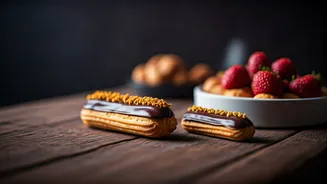
Food styling is the art of making food look its absolute best for the camera. This involves more than just arranging the ingredients; it's about creating an enticing narrative for each dish. Think about the textures you want to emphasize – a creamy soup might benefit from a swirl of sour cream, while a crispy salad needs to look fresh and vibrant. Color contrast is also vital. Bright, colorful garnishes like berries, fresh herbs, or edible flowers can make a dish pop. Consider the background and tableware; they should harmonize with the food and the overall mood you wish to convey. A rustic dish might look great on a wooden board, while a sophisticated dessert calls for elegant china. Don't be afraid to experiment with serving ware and props that enhance the story of the meal. For certain dishes, like melting ice cream or bubbling sauces, speed is of the essence to capture that fleeting perfection. Sometimes, a touch of glycerin or oil can enhance shine, and strategically placed droplets of water can mimic condensation on cold beverages. The ultimate aim is to make the viewer almost taste the food through their eyes.