






The Unforeseen Ordeal
The Western Ghats, a region celebrated for its breathtaking vistas, also presents formidable challenges, as tragically demonstrated by the experience of
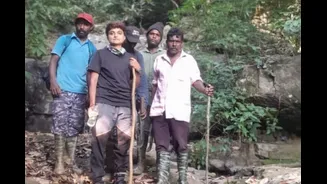
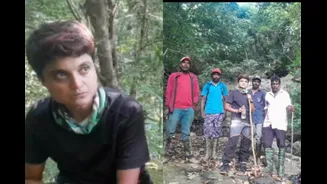
G.S. Sharanya, a 36-year-old IT professional. While descending from Tadiandamol Peak in Karnataka's Kodagu district, she became separated from her trekking companions. For three agonizing days and nights, Sharanya found herself alone in a remote, high-risk area, a territory known for its wild elephant population and prone to severe rainfall. Without any mobile network coverage and her phone rendered useless due to a depleted battery, her survival hinged entirely on her fortitude and a mere 500ml of water. Her eventual discovery by local tribal volunteers in the Pattighat reserve range marked the end of an extensive search operation that utilized advanced tools like thermal drones and specialized Anti-Naxal squads. Sharanya's miraculous survival serves as a potent reminder of the inherent dangers in such environments and underscores the absolute necessity for every traveler, whether an experienced trekker or a casual tourist, to carry a well-equipped SOS (Save Our Souls) bag.
Your Essential Survival Kit
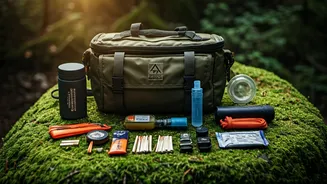
To effectively prepare for situations where you might become separated from your group or stranded, assembling a compact SOS bag is paramount. This kit should be small enough to fit within a 10-liter daypack, ensuring it doesn't become a burden while still carrying crucial items that can significantly extend your survival window until rescue arrives. The contents are designed to address immediate needs and aid in maintaining physical and mental well-being during a crisis. Prioritizing hydration, power, warmth, and sustenance are the cornerstones of this essential survival gear, ensuring you are better equipped to face unforeseen circumstances in remote or challenging environments.
Hydration and Purification
Adequate hydration is critical for survival, and the ability to safely consume water from various sources is a top priority. While Sharanya managed with a limited amount of water by rationing and finding natural streams, a more robust strategy involves carrying a collapsible 2-liter water bladder. Crucially, supplementing this with a portable water filter, such as a LifeStraw, or iodine purification tablets is essential. These purification methods transform potentially unsafe water from streams, lakes, or other natural bodies into potable liquid, mitigating the risk of waterborne illnesses. Staying near a water source is only beneficial if that water can be safely consumed, making purification a vital component of your survival gear.
Power and Signaling Devices
A dead phone battery presented a significant obstacle in Sharanya's rescue effort, highlighting the need for reliable power sources and signaling tools. Carrying a high-capacity power bank, ideally around 20,000mAh, along with a durable charging cable, can ensure your communication devices remain operational. Beyond electronic aids, a simple but effective tool is a whistle; its sound carries much further than visual signals, especially in dense fog or thick forest cover. For aerial spotting, which proved instrumental in Sharanya's case, a small signal mirror or a high-lumen flashlight equipped with a strobe function is invaluable. A bright, flashing light can be visible from miles away, significantly increasing your chances of being detected by rescue teams.
Thermal Insulation
Even in tropical regions like the Western Ghats, high-altitude areas can experience dramatic temperature drops, particularly after sunset, often accompanied by heavy precipitation. To combat the risk of hypothermia and maintain core body temperature, packing an emergency thermal blanket is a wise precaution. These lightweight, reflective blankets are designed to trap body heat efficiently, providing a critical layer of insulation against the cold. Their compact nature makes them easy to include in any daypack, offering a significant safety advantage during unexpected overnight stays or in rapidly deteriorating weather conditions.
Sustenance and Energy
Maintaining sufficient energy levels is crucial for clear thinking and effective decision-making, especially during a stressful survival situation. Hunger can quickly lead to panic and impair judgment. To combat this, your SOS bag should be stocked with high-calorie, non-perishable food items. Excellent choices include energy bars, trail mix, or electrolyte sachets like ORS or Glucon-D. These provide a rapid influx of glucose, helping to sustain cognitive function and physical stamina when you need it most. Having readily available sources of energy ensures you can better manage your situation and stay focused on rescue efforts.
Essential Survival Strategies
Beyond the physical items in your SOS bag, knowing what to do if you become lost is equally important. Adhering to the S.T.O.P. strategy – Sit, Think, Observe, and Plan – is fundamental; avoid the impulse to wander further into unknown territory. If possible, try to remain in or near open areas, as these are more visible to search parties and aerial reconnaissance, much like Sharanya's advantageous position. Should you need to relocate, marking your path with visible indicators—such as piled stones or tied strips of cloth—will provide rescuers with a trail to follow, significantly aiding in your eventual recovery.