






Fatty Liver's Silent Grip
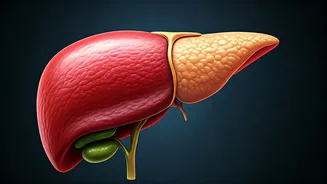
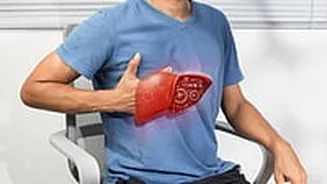
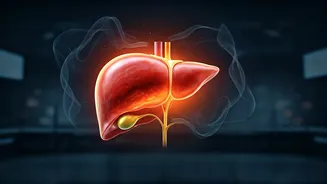
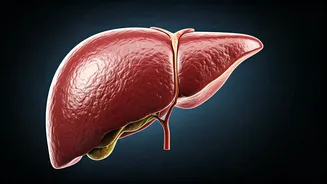
Fatty liver, a condition characterized by an excessive accumulation of fat within the liver, is remarkably prevalent, often affecting nearly half of individuals
without them realizing it. Its insidious nature stems from a lack of prominent symptoms in its nascent stages, earning it the moniker "silent condition." This widespread issue underscores the importance of awareness and regular health assessments, as many individuals remain unaware of the fat buildup until it potentially impacts other bodily functions. Early recognition is paramount due to the condition's often asymptomatic progression.
Understanding ALT and AST
ALT (alanine aminotransferase) and AST (aspartate aminotransferase) are vital enzymes primarily residing within liver cells. When the liver experiences stress or inflammation, these enzymes are released into the bloodstream, resulting in elevated levels detected in blood tests. These heightened levels serve as critical early indicators or warning signals, alerting healthcare professionals to potential issues within the liver. Monitoring these enzyme levels provides a non-invasive way to gauge the liver's current state and identify potential damage or irritation.
Interpreting Enzyme Levels
While a minor elevation in ALT and AST doesn't automatically signify severe liver damage, it commonly points towards inflammation or irritation affecting the organ. The crucial factor for medical professionals to consider is the persistence of these elevated levels over time. A consistent pattern of high readings may warrant further investigation and intervention. Worryingly, medical experts are observing an increasing trend of elevated liver enzymes, even among younger demographics, with individuals in their late twenties and thirties now frequently presenting with fatty liver conditions.
Fatty Liver Grades Explained
Fatty liver is typically categorized into distinct grades, reflecting the severity of fat accumulation observed. Grade 1, or mild fatty liver, involves a small fat presence and is usually asymptomatic and reversible. Grade 2 signifies moderate fat buildup, where the liver begins to exhibit signs of stress. At Grade 3, severe fat accumulation occurs, carrying a heightened risk of inflammation and more serious complications. These classifications are commonly determined through ultrasound imaging reports, providing a visual assessment of the liver's condition.
The Challenge of Detection
A significant hurdle in managing fatty liver is its tendency to remain asymptomatic in its early phases, leading to delayed diagnosis. Individuals often only become aware of the condition when it has progressed to a point where it may be impacting other bodily systems. This underscores the critical role of routine health screenings, especially for those with pre-existing conditions like diabetes, weight management concerns, or abnormal blood test results. Proactive monitoring is essential for catching the condition before it escalates.
Reversal Through Lifestyle
Fortunately, fatty liver is often reversible, with lifestyle modifications playing a pivotal role in its management and improvement. Adopting a healthy dietary pattern, engaging in regular physical activity, and maintaining a healthy weight can significantly contribute to enhanced liver health over time. As medical professionals emphasize, integrating these simple, positive habits early on can make a substantial difference in the trajectory of liver wellness. Your fatty liver report is a signal for action, not a definitive end-point.