







Understanding Muscle Aches
Muscle pain, medically termed myalgia, typically stems from the overexertion of muscles, minor injuries, or inflammation. It commonly presents as a persistent,
dull ache or a feeling of stiffness and soreness localized to the affected muscle group. This discomfort often intensifies with physical activity and finds relief with rest. You might also experience muscle tenderness, involuntary contractions (cramping), or a general sense of fatigue in the area. While often uncomfortable, muscle pain is generally considered more straightforward to manage with basic remedies like rest, ice, heat application, and over-the-counter pain relievers. Its predictability, worsening with movement and improving with rest, makes it a recognizable form of discomfort.
Identifying Nerve Discomfort
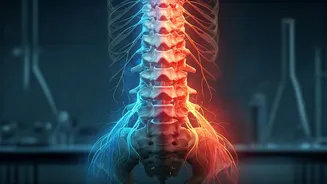
Nerve pain, or neuropathic pain, arises from damage or impaired function within the nervous system. Unlike the localized ache of muscle pain, nerve pain is often described as sharp, shooting, burning, or characterized by tingling sensations. Some individuals liken it to electric shocks or may experience areas of numbness. A key differentiator is its potential to radiate. Nerve pain can travel along the pathway of the affected nerve, extending to parts of the body far from the initial source of irritation. Furthermore, it can lead to hypersensitivity to touch, where even the slightest contact can be acutely painful. This type of pain can be triggered by various factors, including chronic conditions like diabetes, nutritional deficiencies such as low Vitamin B12, or other underlying issues requiring specific medical attention.
Seeking Professional Guidance
Distinguishing between nerve and muscle pain is vital for receiving the most effective treatment. While muscle pain often responds well to self-care and common pain relief methods, nerve pain frequently necessitates specialized medical intervention. Dr. Praveen Kumar, a spine surgeon, emphasizes that persistent or severe pain, particularly when accompanied by symptoms like numbness, tingling, or weakness, warrants consultation with a healthcare professional. Early and accurate diagnosis is paramount to managing both types of pain effectively and preventing the escalation of any underlying conditions. Understanding these differences allows for better communication with your doctor, ensuring you get the correct diagnosis and a tailored treatment plan.