




What is Hydroponics?
Hydroponics is an innovative horticultural method that bypasses the need for traditional soil, allowing plants to flourish in a water-based environment
enriched with essential nutrients. This system promotes faster and healthier growth for leafy greens, as the plants receive a perfectly balanced diet directly through their roots. It’s a clean and efficient approach ideal for compact urban settings where soil gardening might be impractical, offering a direct connection to fresh food production.
Choosing Your Setup
Selecting the right hydroponic system is crucial for success and depends on your available space and the types of greens you wish to grow. For delicate lettuce varieties, the Nutrient Film Technique (NFT) is an excellent choice, circulating a thin film of nutrient solution. Deep Water Culture (DWC) systems, where plant roots are submerged in an oxygenated nutrient reservoir, are robust for larger leafy crops. Beginners often find the Kratky method the most accessible, as it requires no pumps or electricity and is a simple passive system ideal for starting out.
Optimal Temperature
Leafy greens thrive in cooler temperatures, making precise climate control vital for preventing issues like premature flowering (bolting) and undesirable bitterness, especially in delicate varieties such as spinach and kale. Aim to maintain an ambient temperature between 18 and 24 degrees Celsius. This range encourages robust leaf development and ensures that your greens remain tender and flavorful throughout their growth cycle, contributing to a consistently high-quality harvest.
Adequate Lighting
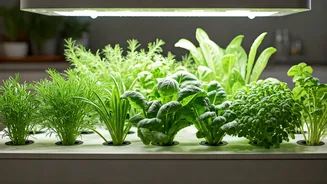
To ensure consistent and compact growth, your greens require a significant amount of light, typically around 12 to 14 hours each day. While a well-positioned, sunny window can suffice, many urban growers opt for supplementary LED grow lights. These lights provide a controlled and reliable light source, mimicking natural sunlight to promote healthy development and prevent leggy, weak stems, guaranteeing vibrant and compact plants regardless of external weather conditions.
Balancing Nutrients
The success of hydroponics hinges on a precisely balanced nutrient solution. For leafy greens, a formulation rich in nitrogen and potassium is essential for vigorous foliage growth. Crucially, maintaining the pH level of this solution between 5.5 and 6.5 is paramount. This specific pH range ensures that plants can efficiently absorb all the necessary micronutrients and macronutrients from the water, preventing deficiencies and optimizing their overall health and yield.
Ensuring Oxygen
Plant roots in a hydroponic system require ample oxygen for respiration and to prevent root diseases like rot. Systems like NFT naturally incorporate oxygen through the movement of water. For other setups, such as DWC, an air pump with an air stone is indispensable. This continuous aeration ensures that roots are consistently supplied with oxygen, fostering strong, healthy growth and maintaining the vitality of your entire hydroponic garden.
Staggering Harvests
To enjoy a continuous supply of fresh greens, implement a staggered planting schedule. Instead of sowing all your seeds at once, plant new seeds every one to two weeks. This deliberate approach ensures that as some plants mature and are harvested, new seedlings are already on their way. It guarantees a steady stream of tender, young leaves ready for your table throughout the year, maximizing your garden's productivity.
Maintaining Cleanliness
Good hygiene is fundamental to a thriving hydroponic system. Regularly cleaning all components—trays, reservoirs, and any tools used—is critical. This diligent practice helps prevent the proliferation of algae, the introduction of pests, and the outbreak of diseases. A clean environment is key to maintaining the productivity and longevity of your hydroponic setup, ensuring a healthy supply of greens.
Smart Harvesting
Employ a 'cut-and-come-again' harvesting strategy for your hydroponically grown greens. Instead of pulling up the entire plant, carefully snip the outer leaves. This method encourages the plant to continue producing new foliage from the center, extending its harvestable life significantly. It’s an efficient way to get fresh greens over a longer period, making the most of your indoor garden's potential.