

Your Hair's Fuel Source
Forget expensive potions; the true secret to gorgeous hair lies in your kitchen. Your hair follicles are incredibly active factories, requiring a constant
supply of the right nutrients to function optimally. Since the body prioritizes survival, it often diverts essential nutrients away from non-vital functions like hair growth when your diet is insufficient. Consequently, the condition of your hair serves as a powerful indicator of your overall nutritional status. Understanding this connection is key to fostering healthy hair development from the ground up. Your hair is essentially a visible barometer of your internal well-being, reflecting the quality of nourishment it receives.
Protein and Fat Foundations
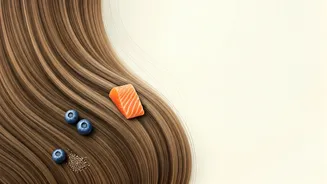
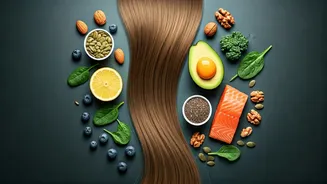
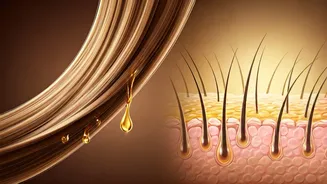
The building blocks of robust hair are macronutrients, primarily protein and healthy fats. Hair is predominantly composed of keratin, a protein that requires adequate dietary intake to maintain its structure and growth cycle. Insufficient protein can trigger the premature transition of hair from its growth phase (anagen) to the resting and shedding phases (telogen), leading to brittleness and thinning. Incorporating lean meats, eggs, fish, legumes, tofu, and Greek yogurt into your meals ensures sufficient protein. Complementing this are Omega-3 fatty acids, which your body cannot synthesize independently but are vital for scalp health. These fats lubricate the sebaceous glands, producing natural sebum that keeps the scalp moisturized and hair smooth. Excellent sources include fatty fish like salmon, chia seeds, walnuts, and flaxseeds, which should be regular additions to your diet.
Essential Vitamins and Minerals
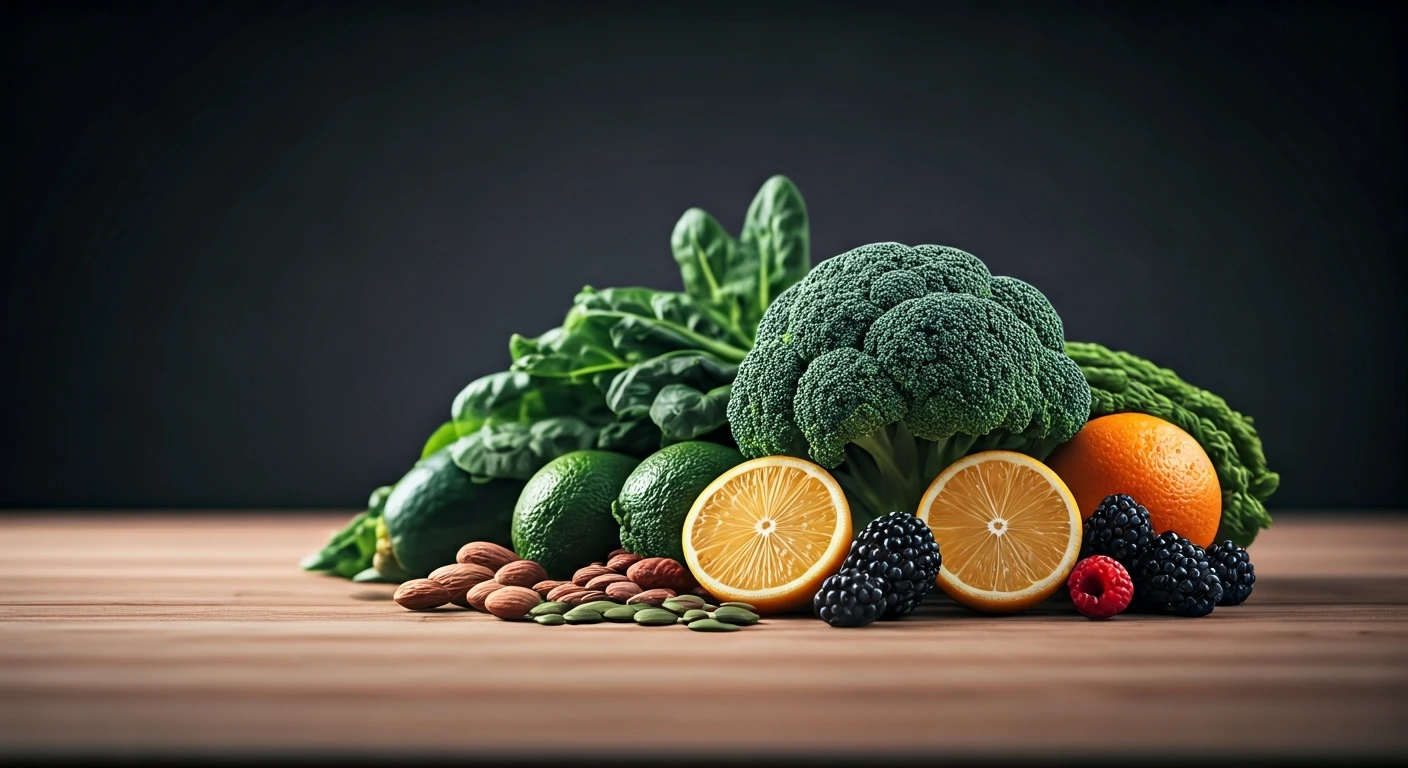
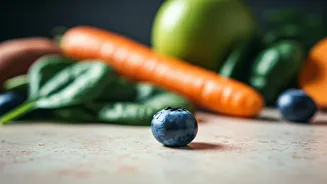
Micronutrients play an indispensable role in hair vitality. Iron, for instance, is critical for producing hemoglobin, the protein responsible for transporting oxygen to hair roots, thereby supporting growth. Iron deficiency is a prevalent cause of hair loss, particularly among women. Foods like spinach, lentils, and red meat are rich in iron; consuming them with a source of Vitamin C, such as lemon juice, significantly enhances iron absorption. Zinc is another vital mineral that aids in repairing hair tissue and maintaining the optimal function of oil glands, crucial for preventing shedding. Pumpkin seeds are a good source of zinc. B-vitamins, especially Biotin (B7) and B12, are renowned for their role in keratin production and fostering red blood cell formation, which nourishes the scalp. Vitamin C, a potent antioxidant, combats damage and promotes collagen synthesis, crucial for preventing premature aging and breakage of hair. Adequate Vitamin D, obtained through sun exposure or fortified dairy, is linked to the formation of new hair follicles.
Whole Foods Over Supplements
While supplements might seem like a quick fix, it's crucial to understand that 'more' isn't always 'better.' Excessive intake of certain nutrients, such as Vitamin A and Selenium, can paradoxically lead to hair loss, as documented in medical studies. The human body is designed to absorb nutrients more effectively from whole foods compared to isolated, high-dose supplements. Unless a specific deficiency has been diagnosed by a healthcare professional through blood tests, prioritizing a balanced diet rich in whole foods is the safest and most beneficial approach for hair health. Patience is also essential; hair growth is gradual, typically around half an inch per month. Consistent adherence to a nutrient-dense diet for three to six months will yield visible and lasting improvements in hair thickness and growth rate.