







Marketplace Origins Unveiled
India's vibrant marketplaces, with their bustling energy, have a history stretching back centuries. Chandni Chowk, one of the most famous examples, emerged
during the Mughal era, established by the Emperor Shah Jahan in the 17th century. It was originally designed to be a grand marketplace, reflecting the opulence and sophistication of the Mughal court. Similarly, the 'chor' bazaars, which translates to 'thieves' markets', often trace their origins to informal trading areas that grew organically. These areas provided a space for various goods, sometimes of questionable provenance, to change hands. Over time, these markets developed distinct identities, shaped by their locations, the communities that traded within them, and the goods they offered. From the initial purpose to the present day, the genesis of Indian marketplaces is a fascinating reflection of the nation's historical shifts, cultural exchanges, and evolving economic landscapes. These markets are a key facet of the nation's culture, offering both economic opportunities and spaces for social interaction.
Chandni Chowk's Grandeur
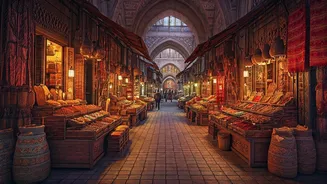
Chandni Chowk, located in Old Delhi, stands as a prime example of a historical marketplace. The market's original design, reflecting the Mughal era's grandeur, included a central square with a reflecting pool (Chandni) that gave the area its name. Over the centuries, Chandni Chowk has transformed, accommodating the changing needs of its vendors and customers. The area became a bustling hub for commerce, a place where people from different backgrounds could come together to trade, socialize, and savor the local flavors. Today, Chandni Chowk is famous for its diverse offerings, including textiles, spices, jewelry, and street food. The experience is one of sensory overload, filled with sights, sounds, and smells. The narrow lanes are always crowded. The area remains a symbol of Delhi's rich history and vibrant culture, drawing both locals and tourists to witness its timeless appeal. The energy and variety that Chandni Chowk offers is unparalleled.
Dal Lake's Floating Market
The floating market on Dal Lake in Srinagar, Kashmir, provides a unique marketplace experience that contrasts the land-based bazaars. The market consists of vendors selling their wares from traditional shikaras (wooden boats). This floating market has deep roots in the local traditions and lifestyle, offering a unique venue for buying and selling goods. The market reflects the close relationship between the community and the lake, with generations of families involved in the trade. Here, fresh produce, flowers, and local crafts are sold directly from boat to boat, offering visitors a distinctive shopping experience. The interaction is a visual treat, set against the scenic backdrop of the Himalayas and the tranquil waters of Dal Lake. The floating market provides not only economic activity but also strengthens the region’s cultural connections and provides a glimpse of life unique to the area.
‘Chor’ Bazaars’ Legacy
The 'chor' bazaars across India are intriguing parts of the country's marketplace legacy. While the term 'chor' translates to 'thief', these markets are not simply havens for stolen goods. They often started as places where a diverse range of items could be bought and sold, sometimes with unclear origins. Over time, these markets developed their own distinct characteristics, often reflecting local economic and social conditions. These bazaars are not always about illegal activities, but often represent the informal economy, where second-hand or slightly imperfect items are traded at discounted rates. The ‘chor’ bazaars are often located in busy urban centers, offering a wide array of goods, from vintage clothing and electronics to antique items and spare parts. This unique part of the market system reflects India's history and economic shifts, providing opportunities for trade and economic interaction.
Cultural Significance Defined
Indian markets are much more than just places to buy and sell goods. They are essential to the cultural identity of their respective regions. These marketplaces are social hubs where people gather to connect, share stories, and celebrate traditions. The vibrant energy within these markets reflects India's diversity, with different communities coming together. Each market features unique offerings, reflecting local crafts, culinary preferences, and cultural customs. These markets often preserve traditional art forms, promote small businesses, and contribute to the economic well-being of the surrounding areas. The experience of visiting an Indian market is an immersion into the country's rich culture. The marketplaces host vibrant festivals and cultural events, adding to their importance and role as community hubs. The markets continue to be vibrant places of activity, reflecting the nation's culture.
Modern Markets Evolving
In the modern era, Indian markets are adapting to changing consumer trends and technological developments. Many traditional markets are embracing digital platforms to expand their reach and offer online shopping options. Modernization is happening while the essence of these traditional markets is preserved. The marketplaces are incorporating innovations such as improved infrastructure, hygiene facilities, and efficient supply chain management. This adaptation is essential to staying relevant in the modern economic landscape and ensuring the markets continue to be attractive and accessible. The markets are also beginning to emphasize sustainable practices. These developments ensure the long-term viability of these markets while upholding the cultural importance and heritage they possess. The evolution is vital to securing the place of these markets in India's changing society, for the long term.