






Understanding Induction Basics
Induction cooktops revolutionize your kitchen by employing electromagnetic fields to heat cookware directly, rather than warming the cooktop surface itself.
This innovation leads to significantly faster cooking times and enhanced energy efficiency compared to traditional stovetops. The surface remains cooler, reducing burn risks, but this rapid heating requires an adjustment period for newcomers to prevent overcooking. Mastering the nuances of this technology means understanding its core principle: direct, swift energy transfer to your pots and pans. This efficient process is the foundation of its popularity in modern culinary spaces, promising precise temperature control once you adapt to its unique heating dynamics.
Selecting Induction Cookware
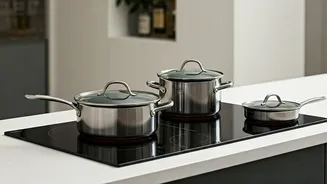
The most critical step for successful induction cooking is ensuring your cookware is compatible. Only pots and pans made from ferromagnetic materials, such as cast iron or certain types of stainless steel, will work. A simple test involves placing a magnet at the base of your cookware; if it adheres firmly, it's induction-ready. Using unsuitable cookware can lead to ineffective heating or the cooktop simply not functioning, rendering your efforts futile. This initial selection process is paramount to unlocking the full benefits of your new appliance and avoiding frustration in the kitchen.
Gradual Heat Application
Induction cooktops heat up remarkably quickly, a stark contrast to the gradual warming of conventional stoves. For those new to this technology, it's highly recommended to begin cooking on lower to medium heat settings. Gradually increasing the temperature as needed will allow you to better gauge the cooking process and prevent food from scorching, especially during tasks like sautéing or frying. Developing an intuitive understanding of the temperature dial will come with practice, but starting conservatively ensures more control and better results as you acclimate to the speed.
Maintain Cleanliness
Ensuring a clean and dry cooktop surface is fundamental for both safety and optimal performance. Before initiating any cooking, make sure there are no spills or moisture present, as these can interfere with the magnetic field and potentially cause minor damage over time. After you've finished cooking and the surface has cooled, a gentle wipe-down is sufficient to maintain hygiene and ensure the cooktop remains in excellent working condition. A tidy surface contributes significantly to the longevity and efficiency of your induction appliance.
Appropriate Pot Sizing
For efficient and secure cooking, it's vital to match your cookware size to the designated induction zone. Using pots and pans that are too large or too small can lead to uneven heat distribution and unstable placement on the cooktop. Ideally, your cookware should have a flat bottom to ensure consistent contact with the induction surface. This careful consideration of pot size and shape not only enhances cooking outcomes but also contributes to a safer kitchen environment by preventing spills and accidents.
Never Cook Unattended
The rapid heating capabilities of induction cooktops mean that food can burn or oil can overheat in a very short period. It is imperative to remain present and attentive while cooking, particularly when working with high heat or frying delicate ingredients. While many modern cooktops feature automatic shut-off mechanisms, vigilant supervision remains the most reliable safety measure. Staying near your cooktop ensures you can react instantly to prevent culinary mishaps and potential hazards.
Residual Heat Awareness
Even though induction cooktops heat cookware directly, the cooking zones can still retain warmth from the transferred heat. This phenomenon is known as residual heat. It is advisable to exercise caution and avoid touching the cooking zones immediately after removing your pots or pans. Ensuring children are kept away from the cooktop until it has completely cooled down is a crucial safety practice to prevent accidental burns. Always allow ample time for cooling before cleaning or touching the surface.
Keep Metal Items Clear
The electromagnetic fields generated by induction cooktops can cause loose metal objects placed on the surface to heat up unexpectedly. Items like utensils, cutlery, or even foil can become hot very quickly. Therefore, it's essential to keep the cooktop surface clear of any unnecessary metal objects while it is in operation. This simple precaution helps prevent accidental burns and ensures a safe cooking environment, allowing you to focus on your culinary creations without added risk.
Utilize Safety Features
Most contemporary induction cooktops are equipped with a suite of integrated safety features designed to enhance user experience and kitchen security. These often include child lock functions, automatic shut-off timers, and overheating protection. Familiarizing yourself with these built-in mechanisms and actively using them can significantly contribute to a safer cooking environment, especially for novice users who are still adjusting to the appliance's unique operational characteristics.