






Science of In-Flight Rest
Airlines meticulously craft long-haul flight experiences with passenger well-being at their core, particularly focusing on mitigating the effects of jet
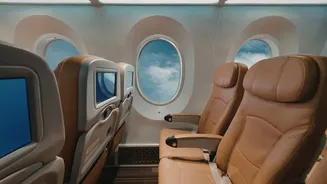
lag. This isn't merely about passenger convenience; it's deeply rooted in scientific research concerning circadian rhythms. Experts and airline executives collaborate to design the onboard environment, including meal service timing, cabin lighting, and designated rest periods, all aimed at aligning with the body's natural sleep-wake cycles. Features like dimmed cabin lights and advanced lighting systems are employed to simulate natural day-night transitions, encouraging passengers to rest when it's biologically appropriate. For instance, Air New Zealand's general manager for long-haul flights highlights their utilization of established sleep research and practical experience to shape the entire onboard journey. This dedication to passenger comfort and reduced jet lag is a common practice among major carriers, with some even implementing sophisticated lighting systems that mimic the full spectrum of natural daylight throughout a day.
Circadian Rhythm Engineering
The strategic scheduling of eating and sleeping on long-haul flights is far from arbitrary; it's meticulously designed based on scientific principles of circadian rhythms. Fiji Airways, for example, emphasizes close collaboration between various departments, including their in-house medical doctor and customer experience specialists, to ensure the onboard atmosphere supports passenger comfort and overall health. Their in-flight service design actively incorporates research on rest cycles and the physiological impacts of long-haul travel. Qantas, in partnership with the Charles Perkins Centre, has undertaken a comprehensive overhaul of its long-haul flight experience to combat jet lag and boost passenger energy levels upon arrival. The core of this approach is regulating the body's internal clock, or circadian rhythm, which governs numerous bodily functions and influences sleep. By manipulating light exposure, which is a primary cue for our circadian rhythm, airlines aim to mitigate the disruption caused by crossing multiple time zones and reduced natural sunlight. Qantas has developed a series of 12 distinct lighting sequences for their Airbuses, scientifically calibrated to replicate the natural progression of light from sunrise to sunset, thereby aiding in circadian adaptation and promoting sleep or wakefulness as needed.
Personalized Sleep Strategies
Beyond the airline's engineered environment, travelers can actively take steps to synchronize their personal sleep patterns with their destination's time zone. Companies like United Airlines have partnered with sleep research organizations to provide personalized recommendations and tailored sleep schedules designed to facilitate a smoother adjustment for passengers traversing different time zones. These tools leverage scientific insights into sleep and circadian rhythms to offer practical guidance. Additionally, passengers can often find a journey timeline displayed on seatback screens, indicating when cabin lights will be dimmed, allowing them to proactively plan their rest periods. Many airlines also offer dedicated channels on their in-flight entertainment systems, such as United's 'Sleep Station,' which features calming visuals, soothing audio options like white noise or classical music, and a selection of podcasts and audiobooks to aid relaxation and sleep. These amenities, while varying in their specifics across carriers, empower passengers to customize their onboard experience and take control of their sleep hygiene during long journeys.