






The Stairway Strain
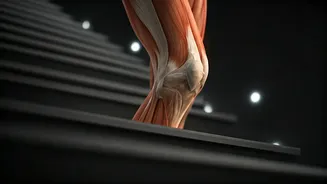
Climbing stairs places a significantly higher demand on your knee joints compared to walking on a level surface. This increased stress is primarily due
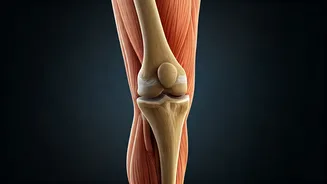
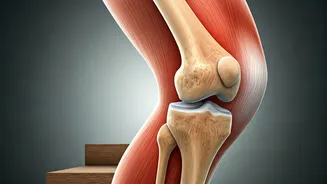
to the deeper flexion required and the augmented body weight that your kneecap must bear. When you ascend or descend stairs, the patella, or kneecap, is pushed more forcefully against the femur (thigh bone). This mechanics means the joint experiences greater pressure, particularly at the point where the kneecap glides within its groove. Conversely, walking on flat ground involves less knee bending and distributes weight more evenly, thus exerting less direct pressure on this sensitive area, leading to the noticeable difference in sensation.
Signs of Knee Stress
Experiencing knee pain exclusively during stair use, while finding regular walks pain-free, often serves as an important early indicator of underlying knee stress. This specific pain pattern is frequently associated with conditions such as Patellofemoral Pain Syndrome (PFPS), a common ailment characterized by discomfort around or behind the kneecap. In PFPS, the pressure on the patellofemoral joint escalates considerably during activities involving knee flexion under load, like stair climbing. The absence of pain during walking suggests that the joint is managing the lower load without irritation, highlighting that the issue is activity-specific and related to higher pressure points.
Underlying Causes Explained
The peculiar sensation of knee pain during stair climbing but not during walking can stem from several underlying issues primarily affecting the patellofemoral joint and its supporting structures. Patellofemoral Pain Syndrome is a leading culprit, where the cartilage beneath the kneecap experiences irritation due to improper tracking or alignment. Early-stage osteoarthritis, a degenerative condition affecting joint cartilage, can also manifest in this way, as stair climbing exacerbates the wear. Furthermore, general cartilage wear, weakened quadriceps muscles that fail to adequately support the kneecap, or even subtle misalignments in the knee's structure can contribute significantly to this type of discomfort, making specific movements more problematic than others.
Simple Steps to Relief
Fortunately, addressing knee pain during stairs doesn't always require complex interventions; consistent, small lifestyle adjustments can yield substantial relief. Strengthening the quadriceps, the large muscles at the front of your thighs, is paramount as they provide crucial support and stability to the kneecap. Maintaining a healthy body weight significantly reduces the overall load on your knee joints during all activities, including stair climbing. Employing proper stair technique, such as taking steps slowly and deliberately, and utilizing handrails for support, can also help alleviate excessive pressure. These combined efforts can effectively decrease the strain on your knees, making everyday movements more comfortable.