





Hydration Essentials Explained
As temperatures soar, proper hydration becomes paramount to ward off dehydration, which can escalate to heat exhaustion and even heat stroke. Simply drinking
any liquid isn't enough; making informed choices about beverages is key to sustained energy and well-being during the hot season. Some drinks, while seemingly refreshing, can be detrimental, contributing to a surplus of sugar and calories rather than genuine hydration and energy. Understanding the fundamentals of what your body needs is crucial for navigating summer healthfully.
Smart Hydration Choices
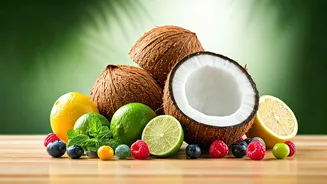
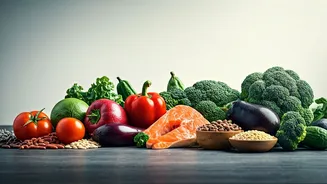
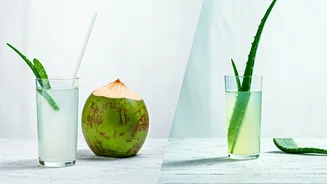
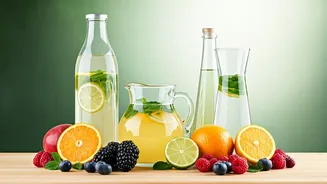
When the summer sun blazes, opting for water remains the gold standard due to its calorie-free nature and essential role in bodily functions. For a natural boost of electrolytes, tender coconut water is an excellent choice, aiding fluid replenishment without added sugars. Homemade lemonade or limeade offers a refreshing zest and a vitamin C uplift, provided you control the sugar content. Unsweetened iced herbal teas, such as mint or chamomile, are also great for hydration and can offer various health perks. Furthermore, incorporating fruits and vegetables with high water content, like watermelon, cucumbers, strawberries, and oranges, contributes significantly to your overall fluid intake, making them delicious allies in your hydration strategy.
Expert-Recommended Alternatives
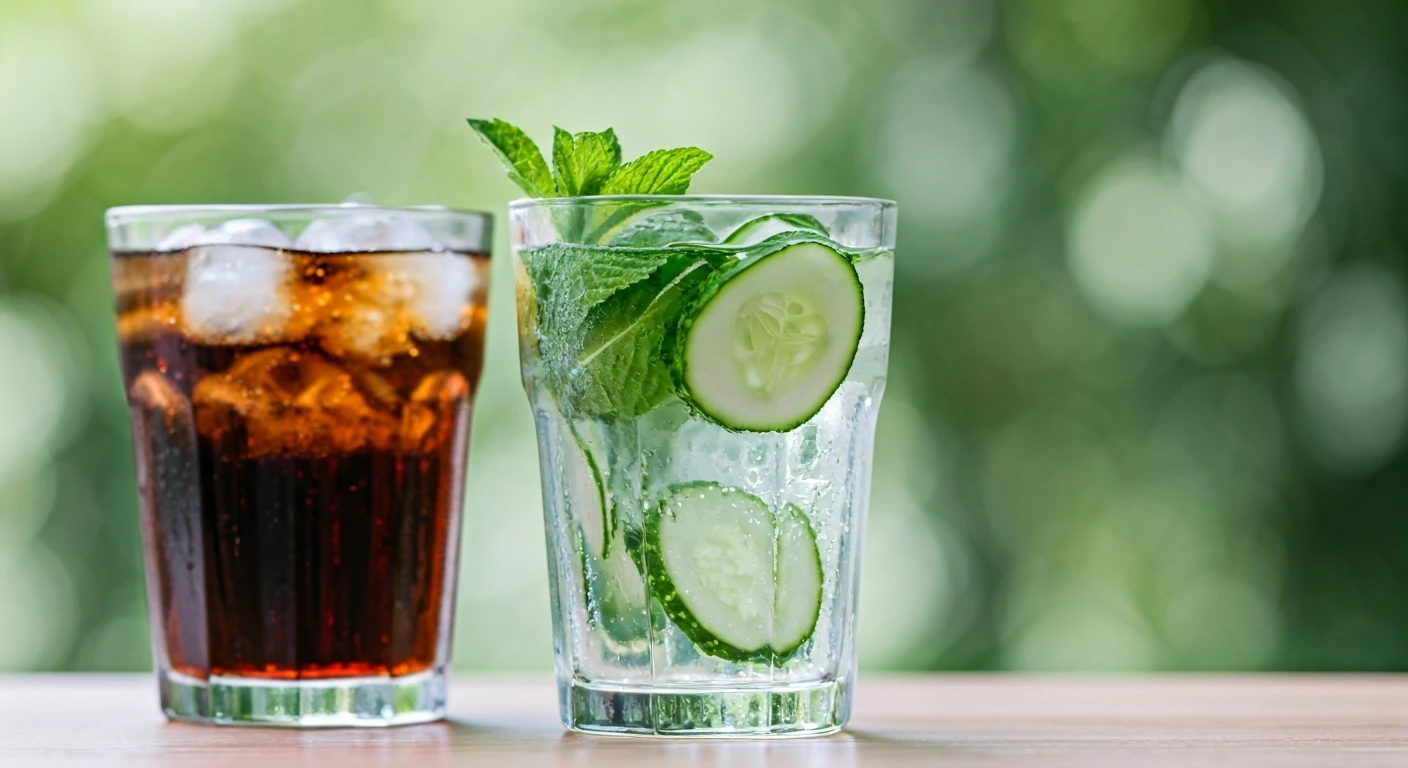
Nutrition experts highlight several beneficial alternatives to plain water for summer hydration. Fresh, tender coconut water is highly recommended for its hydrating properties and essential electrolytes that help manage fluid loss without contributing sugar, making it perfect for cooling down. Kokum juice is another favored option, known for its gut-cooling effects that can prevent bloating and acidity issues, especially beneficial when consumed after meals. For a twist on plain water, herb-infused options are superb; consider combinations like watermelon with mint, lemon with orange slices, or fennel and tulsi. These infusions not only provide electrolytes and a cooling sensation but also offer a more engaging way to meet your hydration goals.
Beverages to Reconsider
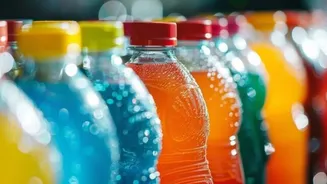
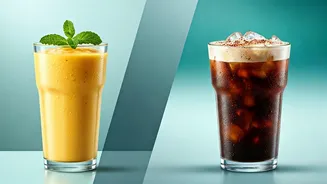
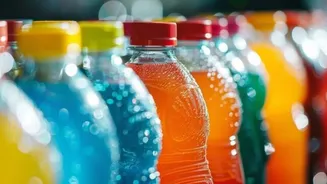
During summer, it's crucial to identify drinks that can hinder your hydration efforts. Packaged fruit juices often contain high levels of added sugars and fruit concentrates, with minimal fiber. This lack of fiber can lead to rapid blood sugar spikes followed by energy crashes. Similarly, many commercially available iced teas are laden with sugar or high-fructose corn syrup, and their caffeine content can act as a mild diuretic, counteracting hydration. Pre-packaged protein shakes, being dense and hard to digest, can generate internal heat and leave you feeling sluggish or bloated. Even seemingly innocent flavored sodas should be avoided due to their significant sugar content, which can contribute to bloating.
Subtle Hydration Saboteurs
Beyond the obvious sugary culprits, certain other beverages warrant caution during hot weather. Alcohol, while potentially feeling cooling initially, is a diuretic that accelerates dehydration, so moderation is key. Caffeinated beverages like coffee and some teas can also have a mild diuretic effect; while not entirely off-limits, consuming them in excess can negatively impact your fluid balance. Additionally, very cold drinks, though tempting, can sometimes shock the digestive system and potentially hinder its efficiency. Being mindful of these subtler dehydrators can significantly improve your overall hydration and energy levels throughout the summer months.
Strategic Hydration Habits
To maintain optimal hydration throughout the summer, adopting smart habits is essential. Carry a reusable water bottle with you at all times and make a conscious effort to sip from it consistently throughout the day. Setting regular reminders on your phone can be an effective way to ensure you're drinking enough. Prioritize consuming foods with high water content, such as fruits and vegetables, as they contribute to your fluid intake. Most importantly, pay attention to your body's signals; thirst is an indication that you are already beginning to experience dehydration, so aim to drink before you feel thirsty.