






Yamuna's Water Quality
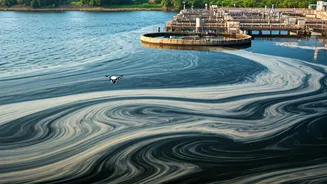
The city of Delhi is currently experiencing difficulties with its water supply, largely stemming from the poor quality of the Yamuna River. This critical
water source is burdened by high levels of ammonia, which is causing disruptions to the normal water distribution across the city. The contamination of the Yamuna has become a significant concern for the local authorities, who are actively looking for effective ways to improve the quality of water and provide a dependable supply to the residents of Delhi. The challenges faced by the city's water management system emphasize the urgent requirement for improvements and sustainable solutions in the coming years to address the root causes of the Yamuna's pollution.
Sewage Treatment Expansion
In response to the present water quality issues, Delhi has put in place a bold plan to augment its sewage treatment infrastructure. The focal point of the plan is to double the city's overall sewage treatment capacity, indicating a large-scale investment in new facilities and technological upgrades. The goal of this initiative is to effectively process and treat the wastewater, significantly reducing the amount of pollutants released back into the Yamuna River. This endeavor intends to lessen the impact of sewage discharge on the environment, helping to reduce the ammonia content and improve water quality. The planned expansion reflects the city’s commitment to providing clean water and fostering a more sustainable approach to wastewater management.
Drone Mapping of Drains
To further strengthen the environmental efforts, Delhi intends to use cutting-edge technology to assist with the river cleaning process. Authorities plan to utilize drones to map all the drains that flow into the Yamuna. These aerial devices will provide detailed, comprehensive maps, helping to track the exact pathways and entry points of pollutants into the river system. The detailed data obtained will enable a more thorough understanding of the pollution sources and support the implementation of targeted cleaning efforts. The use of drone technology symbolizes a strategic, technological approach that aims to facilitate effective monitoring and cleanup. This strategy supports the broader commitment to cleaning up the Yamuna and ensuring the long-term sustainability of Delhi's water resources.
Cleaning by 2028
The ambitious goals set by the Delhi administration have a clear timeline, with a specific focus on achieving noticeable improvements by the year 2028. The plan prioritizes a cleaner and more sustainable environment, with particular emphasis on enhancing water quality. The extensive sewage treatment capacity expansion, combined with the comprehensive drain mapping facilitated by drone technology, is designed to set the stage for a significant improvement in the water quality. The timeline underscores the importance of the project, highlighting a sense of urgency and commitment to improving the well-being of the residents of Delhi. The goal reflects the city's determination to establish a healthy water ecosystem, emphasizing the long-term vision for a sustainable future for the citizens of Delhi.