







Weight Loss Wonder?
One of the most pervasive myths about detoxing is its supposed effectiveness for weight loss. The reality, however, often differs from the claims. Detox
diets, typically involving restrictive eating plans, can lead to temporary weight loss. This happens primarily due to calorie restriction and the loss of water weight, not necessarily because of a removal of toxins. Any pounds shed are often quickly regained once the diet ends. Long-term, sustainable weight loss requires a balanced diet and regular exercise, and not relying on detox programs.
Body's Natural Detox
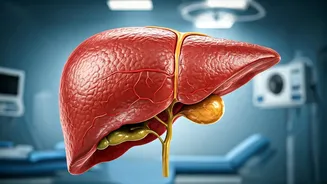
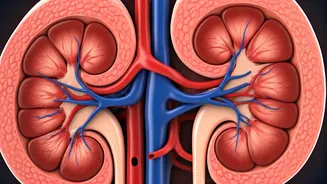
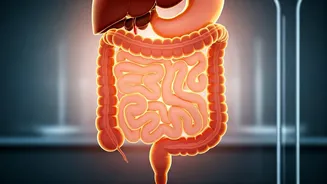
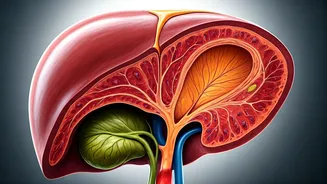
Another crucial point of clarity is understanding the body's innate detoxification capabilities. Contrary to common beliefs, the body is designed to eliminate waste and toxins through organs like the liver, kidneys, and skin. The liver filters blood, the kidneys filter waste, and the skin helps excrete sweat. While specific foods and supplements might support these functions, the body already has a very good system in place. Promoting these organs' health through good nutrition and lifestyle habits is key, rather than relying on external 'detox' programs.
Harmful Detoxes?
It is important to acknowledge that detox programs can, in certain cases, be dangerous. Some may involve drastic calorie restrictions, potentially leading to nutritional deficiencies and metabolic disturbances. Others may incorporate laxatives, diuretics, or other substances that can cause dehydration, electrolyte imbalances, and other health issues. Individuals with existing health conditions, such as diabetes or kidney disease, should be especially cautious. Always consult with a healthcare professional before considering a detox program.
One-Size-Fits-All Detox?
The notion that everyone should follow the same detox regimen is another common misunderstanding. People have unique health needs and tolerances, so a program that works for one person might not be suitable or safe for another. Factors such as age, health history, and current medications can influence how the body responds to a detox. A 'one-size-fits-all' approach ignores these critical differences, potentially leading to adverse effects and not addressing individual health concerns. Personalised advice from a healthcare provider is always the best approach.
Science-Backed Evidence?
A significant point of concern is the lack of robust scientific evidence supporting the benefits of most detox programs. Many popular detox methods lack rigorous clinical trials to substantiate their claims. The body of evidence supporting the detox programs is often anecdotal, or based on poorly designed studies. Without sound scientific validation, it's difficult to determine the true effectiveness or potential risks associated with these programs. Always look for evidence-based information and consult with healthcare professionals.
Detox Feeling Terrible?
Many detox programs claim that feeling ill during the process is a sign that it is working. The reality is often the opposite. Symptoms like fatigue, headaches, and digestive upset are often the result of calorie restriction, nutritional deficiencies, or the withdrawal of substances like caffeine. These feelings are not a sign of successful detoxification, but rather indicators of the body's stress. Feeling bad during a detox should be a red flag, prompting you to consider the program's safety and consult with a doctor.
Unhealthy Lifestyle?
Detoxing is frequently promoted as a quick fix to compensate for an unhealthy lifestyle. While certain healthy habits, such as eating nutritious food and exercising, can support the body's natural detoxification processes, detox programs should not be seen as a substitute for long-term lifestyle changes. Relying on detoxes to counteract the effects of a poor diet, lack of exercise, or excessive alcohol consumption is not a sustainable or healthy strategy. Focusing on a balanced approach to wellness is a much more effective and beneficial route.
Do Detoxes Ever Work?
It is necessary to acknowledge that many detox programs are, at best, ineffective. They may provide temporary benefits through the placebo effect or changes in eating habits, but they don't fundamentally change the body's ability to detoxify. To maintain overall health, building healthy habits like a balanced diet, proper hydration, and regular exercise is key. These actions support the body's natural functions and promote well-being, which is far more efficient than relying on short-term detox programs.