





Mustard Oil Woes
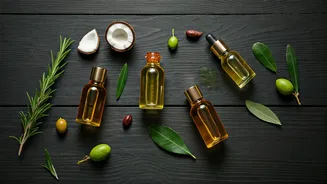
Mustard oil, a traditional Indian hair care staple, especially favoured in cooler months, can become problematic as temperatures rise. Its inherent warming
properties, beneficial for circulation when it's cold, can lead to scalp irritation and increased sweating during hot weather. This excessive perspiration, combined with the oil's strong aroma and heavy texture, can make your scalp feel uncomfortable and appear overly greasy. In summer's humidity, this can trap dirt and grime, leading to an unpleasant build-up and a less-than-fresh feeling.
Coconut Oil Overload
While coconut oil is a beloved ingredient in Indian households for its conditioning benefits, its overuse in the summer can result in an unpleasantly greasy appearance. The humid climate amplifies its richness, making the scalp look excessively oily and acting as a magnet for dust and environmental pollutants. To mitigate this, consider reducing application time to 30-60 minutes before washing instead of overnight, and perhaps mix it with lighter essential oils to lighten its consistency and enhance absorption.
Sesame Oil's Density
Sesame oil, packed with beneficial nutrients and known for its deep moisturising capabilities, can be a bit too much for summer hair. Its rich and dense nature may weigh down finer hair strands, especially in humid conditions. When this dense oil mixes with sweat and pollution, it can contribute to significant scalp build-up, leaving hair looking limp and feeling greasy. For those who love sesame oil, consider reserving its application for a special monthly treatment rather than a frequent weekly ritual.
Castor Oil's Heaviness
Castor oil is widely celebrated for its hair growth-promoting qualities, but its exceptionally thick consistency makes it less suitable for the summer months. As one of the heaviest natural oils available, it can leave the scalp feeling sticky and weighed down. It has a tendency to trap heat and sweat, posing a challenge for individuals in humid climates. The oil's substantial texture also makes it difficult to wash out thoroughly, increasing the likelihood of product build-up on the scalp.
Olive Oil's Slowness
Olive oil, prized for its nourishing properties and ability to tame dry, damaged hair, is typically a better fit for cooler seasons. Its thick consistency means it absorbs slowly into the hair and scalp, often leaving a lingering oily and greasy appearance even after washing. This density can potentially clog hair follicles, trap sweat, and make the scalp feel heavy and flat, particularly for those who naturally have an oily scalp type.