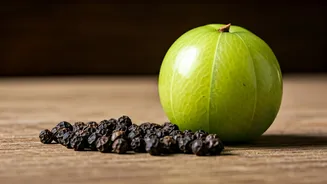

Amla's Amazing Perks
Amla, also known as the Indian gooseberry, is a nutritional powerhouse widely celebrated in traditional medicine for its rich antioxidant properties. This
fruit is loaded with vitamin C, which is essential for immune function, collagen production, and overall cellular health. Regular consumption of amla may lead to enhanced immunity. Moreover, it assists in neutralizing harmful free radicals, thus safeguarding cells from damage. In addition, its high fiber content is beneficial for improving digestion and maintaining healthy gut flora. Furthermore, amla is believed to help with blood sugar regulation, which could be beneficial for people with diabetes. Amla's multifaceted nature makes it a useful addition to a balanced diet, offering numerous health benefits.
Black Pepper's Boost
Black pepper, a staple spice in many cuisines, does more than add flavor. It contains piperine, an active compound that boosts the absorption of nutrients, particularly vitamins and minerals. Piperine is an important component because it boosts the bioavailability of other nutrients, which means the body can absorb and utilize them more efficiently. Black pepper also exhibits strong antioxidant characteristics, which shield cells from harm caused by free radicals. This may contribute to a decreased chance of chronic diseases. In addition, black pepper has anti-inflammatory properties, which may aid in the reduction of inflammation throughout the body. Black pepper's ability to help in digestion also helps to stimulate digestive enzymes and improve gut health. When added to amla, the results are amplified, which leads to enhanced benefits.
Synergistic Health Benefits
Combining amla and black pepper provides a powerful synergy, where the whole is greater than the sum of its parts. The vitamin C and antioxidants from amla merge with the piperine from black pepper, significantly enhancing nutrient absorption. This combination supports better digestion and boosts immune function. The antioxidant properties of both ingredients work together to combat oxidative stress, which may prevent chronic diseases. Furthermore, this dynamic duo may aid in regulating blood sugar levels due to amla's effect and potentially improved nutrient uptake, as black pepper contributes to better insulin sensitivity. The synergistic effect maximizes the individual health benefits, making this combination a comprehensive approach to wellness.
Daily Consumption Details
Integrating amla and black pepper into your daily diet is relatively simple. Amla can be consumed in many forms, like fresh fruit, juice, powder, or supplements. You can add amla powder to your morning smoothies or incorporate amla juice into your diet. Black pepper, on the other hand, is a versatile spice that can be used generously in cooking or added to meals. To combine them, sprinkle black pepper over amla preparations or use them together in a recipe. Consistency is key when it comes to experiencing health benefits, which is why incorporating this duo into your daily routine is beneficial. Make sure to consult a healthcare professional before making any significant changes to your diet, especially if you have any existing health conditions or take medications.
Precautions to Consider
While amla and black pepper are generally safe for most people, certain groups should exercise caution. Individuals with sensitive stomachs or pre-existing digestive issues may experience discomfort from the combination. Those who take blood-thinning medications should consult their doctor before regular use of black pepper because piperine could potentially affect how these drugs work. People with allergies to either amla or black pepper must avoid this combination. Moreover, excessive consumption of any food or supplement may cause adverse effects. Pregnant or breastfeeding women should consult with a healthcare professional before incorporating new foods or supplements into their diet. Overall, being mindful of individual sensitivities and potential interactions is crucial for a safe and effective experience.