





The Dry Brushing Phenomenon
Dry brushing has swept through the wellness world, lauded for its purported ability to smooth skin, detoxify the body, and crucially, stimulate lymphatic
drainage. You've likely seen the natural bristle brushes gracing beauty aisles or heard friends rave about their revitalizing effects. While the promise of a radiant, refreshed complexion is alluring, it's essential to critically examine the claims. Though rooted in ancient practices like Ayurveda, the modern popularity of dry brushing is accompanied by bold assertions, particularly concerning its impact on the lymphatic system, which warrant a closer, evidence-based look.
What Dry Brushing Truly Achieves
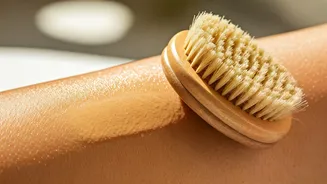
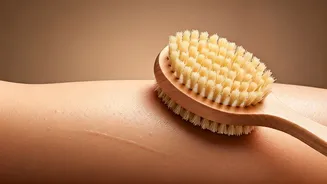
The practice itself is quite simple: using a firm, natural-bristle brush to sweep across dry skin, typically before a bath or shower. Most enthusiasts follow an upward motion, directing strokes towards the heart, employing long sweeps on limbs and circular patterns on the torso. This vigorous application often leaves the skin temporarily flushed, revealing smoother texture as dead skin cells are sloughed off. However, the core question remains: is this mere exfoliation and superficial blood flow enhancement, or does it genuinely impact the lymphatic system? According to experts, dry brushing primarily functions as an exfoliant and boosts surface circulation, offering a fleeting sensation of lightness. It doesn't, in a clinical sense, induce true lymphatic drainage, as the pressure and direction required for that are typically not met by at-home dry brushing. The visible glow and smoothness are largely attributed to the removal of dead skin and increased blood flow, not to the activation of the lymphatic network.
Scientific Scrutiny of Claims
In the realm of wellness trends, it's prudent to question the scientific backing of popular claims. Regarding dry brushing and its supposed lymphatic drainage benefits, the available research offers a clear perspective. There is a scarcity of robust scientific evidence demonstrating that dry brushing significantly enhances lymphatic flow. Established methods for promoting lymphatic drainage are medical interventions, including manual lymphatic drainage (MLD) performed by trained professionals, compression therapy, and specialized device-based treatments. These techniques are designed to work with the intricate pathways of the lymphatic system, which is vital for fluid balance, waste removal, and immune function. When this system is compromised, as in conditions like lymphedema or post-surgical swelling, medical expertise is indispensable, and a simple brushing action is insufficient.
Professional Drainage vs. Brushing
A stark distinction exists between the DIY approach of dry brushing and the sophisticated techniques employed in professional lymphatic drainage. Manual lymphatic drainage is a highly specialized medical therapy where trained practitioners utilize precise, gentle, rhythmic movements precisely aligned with the anatomical channels of the lymphatic system. They possess in-depth knowledge of lymph nodes and the specific direction and pressure needed to facilitate fluid movement. Dry brushing, conversely, is a more generalized wellness practice often guided by anecdotal advice or online tutorials. This significant gap means dry brushing cannot substitute for professional lymphatic drainage, particularly in addressing medical concerns such as chronic swelling, fluid retention, or recovery from surgery. The controlled, anatomical approach of MLD is worlds apart from the surface-level action of a dry brush.
Actual Benefits to Expect
While the lymphatic drainage claims may be overstated, dry brushing does offer tangible, albeit different, benefits. Users often report noticeably smoother skin, a mild skin radiance, and a temporary reduction in puffiness. These effects stem primarily from the physical exfoliation and increased surface circulation, rather than profound lymphatic system activation. The temporary reduction in puffiness might be due to enhanced blood flow, giving the skin a temporarily plumper appearance, not a surge in lymphatic function. Similarly, the improved skin tone results from the removal of dull, dead skin cells and the increased flow of oxygenated blood to the skin's surface. These are genuine positive outcomes, but they are distinct from claims of detoxifying the lymphatic system. Dry brushing can certainly enhance the immediate look and feel of your skin and serve as a pleasant self-care ritual, fostering a greater mind-body connection.
Who Should Be Cautious
Not everyone is a suitable candidate for dry brushing, regardless of its perceived gentleness. Individuals with sensitive skin, or those experiencing conditions like eczema, psoriasis, active acne, skin infections, or recent surgical procedures, should refrain from dry brushing. If one chooses to try it, using a brush with exceptionally soft bristles and applying minimal pressure is paramount, as excessive friction can compromise the skin's protective barrier. Skin that is already inflamed or compromised requires a delicate approach to avoid exacerbating issues; conditions like eczema and psoriasis involve an impaired skin barrier that can be further irritated by scrubbing. Dry brushing over active acne could potentially spread bacteria, and open wounds or post-treatment skin necessitate rest, not abrasion. Even on healthy skin, aggressive or frequent dry brushing can strip away essential moisture and natural oils, leading to dryness and increased sensitivity, negating the intended benefits.