



Evolving Self-Care Practices
The concept of self-care has dramatically transformed, moving beyond conventional spa days to encompass a wider spectrum of activities designed to foster
both mental and physical well-being. Gen Z, in particular, exemplifies this evolution, weaving popular culture, social media influences, and a strong desire for authentic experiences into their self-care routines. This shift reflects a generation that is actively crafting personalized strategies to navigate the complexities of modern life, prioritizing moments of personal rejuvenation and joy. Their approach is less about adhering to rigid definitions and more about embracing what genuinely contributes to their sense of peace and happiness, often incorporating activities that were previously considered leisure rather than essential maintenance.
The Matcha Ritual
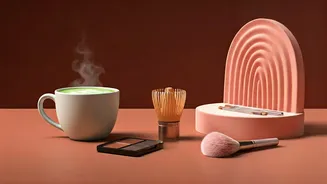
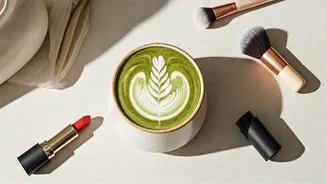
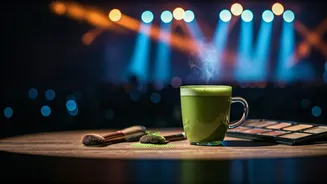
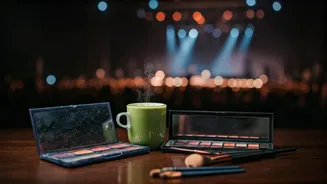
A prominent trend within Gen Z's self-care practices is the 'matcha ritual.' This goes far beyond simply consuming the beverage; it involves embracing the entire sensory experience and aesthetic associated with matcha. From elaborately prepared matcha lattes and delectable desserts to skincare infused with the vibrant green powder, Gen Z finds a sense of tranquility and calm in this ingredient. The meticulous process of preparing and savoring matcha can serve as a form of mindful practice, offering an opportunity to slow down, de-stress, and engage fully with the present moment. This deliberate engagement with a simple act promotes a grounding effect, contributing significantly to their overall sense of well-being amidst a fast-paced world.
Makeup as Expression
For many within Gen Z, makeup has evolved into a cornerstone of their self-care regimen, serving not only to enhance appearance but also as a powerful vehicle for creative expression and self-assurance. They often view makeup as an artistic medium, enthusiastically experimenting with daring color palettes, intricate designs, and distinctive styles to articulate their individuality. The act of applying makeup can be profoundly therapeutic, allowing individuals to focus inward, disconnect from external pressures, and cultivate a desired persona. Furthermore, the digital realm, particularly platforms like TikTok and Instagram, facilitates a communal aspect, where sharing makeup looks and techniques fosters a sense of belonging and shared enthusiasm within a supportive community.
Concerts and Connection
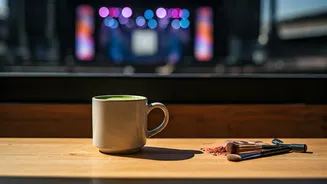
Live music events and concerts represent another vital component of Gen Z's self-care landscape. The palpable energy of a live performance, the shared experience with fellow enthusiasts, and the complete immersion in music offer an incredibly uplifting and cathartic release. These events provide a much-needed escape from everyday stressors, an opportunity to connect deeply with artists they admire, and a chance to forge unforgettable memories. The excitement building up to a concert, the thoughtful planning of outfits, and the journey to the venue all contribute synergistically to the overall feeling of exhilaration and enhanced well-being, making it a significant aspect of their lifestyle.
Personalized Wellbeing Choices
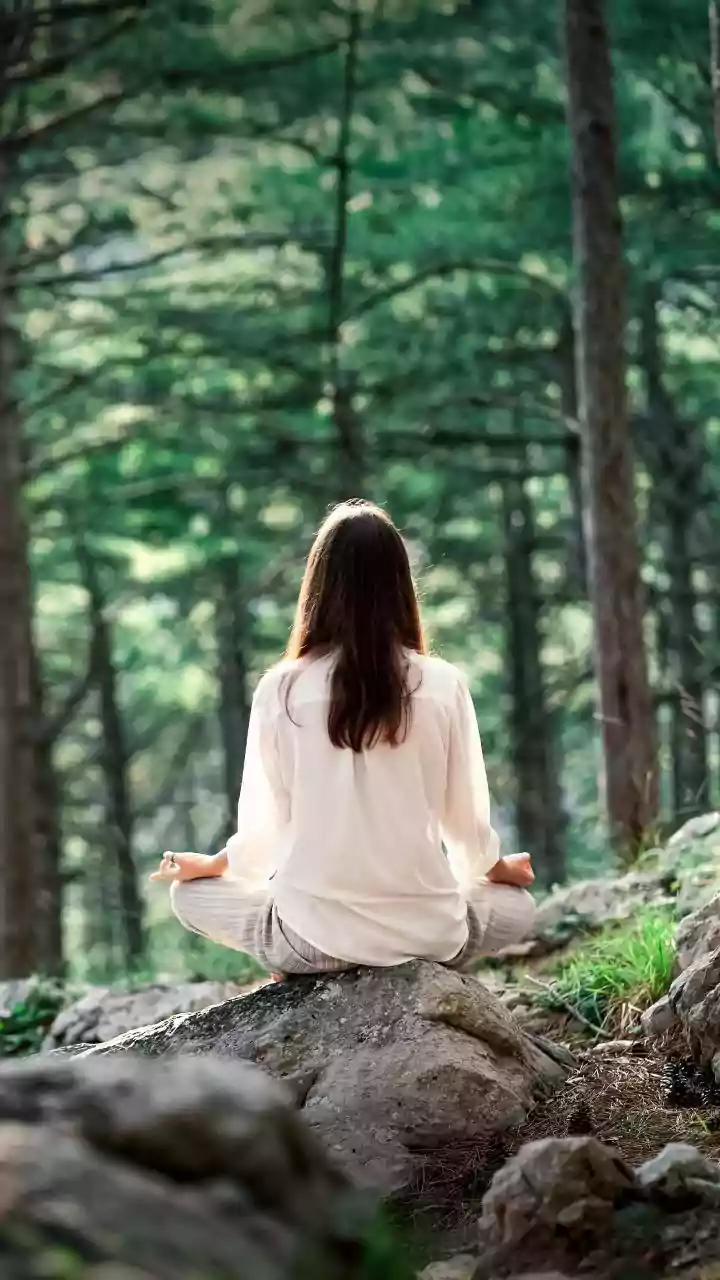
Fundamentally, Gen Z's approach to self-care is defined by its inherent flexibility and deeply personal nature. They are unafraid to challenge conventional definitions and actively redefine what self-care entails, integrating activities that genuinely bring them contentment and inner peace. This broad category encompasses a wide array of pursuits, ranging from immersive gaming and binge-watching beloved series to reconnecting with nature and engaging in diverse creative hobbies. The guiding principle remains the identification of what personally resonates and brings joy, coupled with a conscious prioritization of their mental and emotional health in an often overwhelming global environment.
Conscious Spending Philosophy
Contrary to perceptions of recklessness, Gen Z's financial habits reflect a thoughtful pivot towards intentional and values-driven spending. Recognizing the inherent uncertainties of their formative years—marked by global crises and economic instability—they prioritize experiences and items that directly contribute to their immediate well-being and sense of self. This is not about impulsive purchasing but rather a calculated allocation of resources towards activities and products that provide joy, foster creativity, and enhance mental resilience. They aim to balance present happiness with future security, understanding that self-care and lived experiences are not luxuries but essential investments in their overall quality of life and long-term contentment.