






Distant Perspectives Unveiled
Observing India from afar offers a distinctive vantage point, unveiling details usually concealed. The use of technology, such as satellite imagery and
remote sensing, facilitates access to otherwise inaccessible locations. These tools provide comprehensive views, which allows us to analyze the landscape's evolution over time. Through this, we can comprehend the extent of India's environmental changes, urban development, and rural life. Seeing India from a distance grants access to an appreciation of the country's scale. It can alter our understanding of its diversity. For instance, you can observe the massive expanse of the Himalayas in its full majesty, or witness the coastal regions undergoing dramatic transformations. This distant gaze presents a chance to study India with a holistic approach, allowing for broader insights into its complexities and a renewed respect for the nation.
Technological Wonders at Play
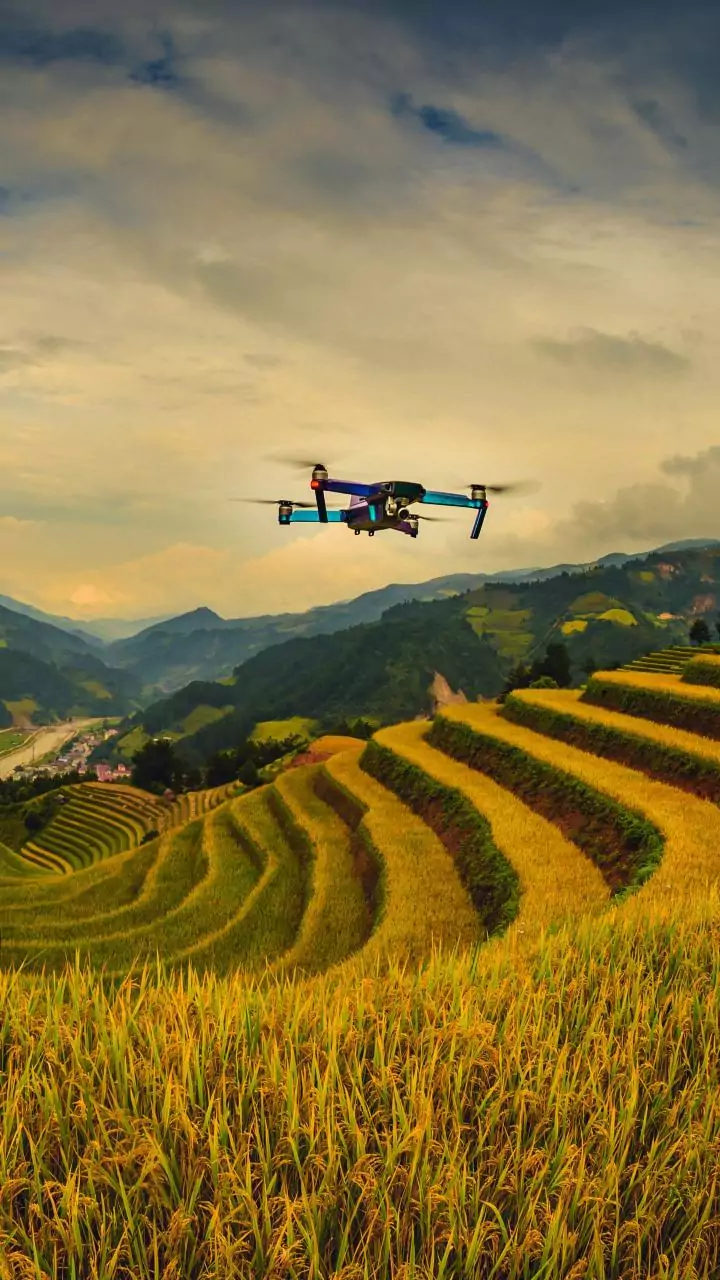
Various technologies are utilized to view India remotely, each contributing to a complete, multifaceted understanding. Satellite imagery provides high-resolution snapshots of the earth's surface, capturing intricate details of land use, vegetation, and infrastructure. Remote sensing technologies, including radar and lidar, penetrate cloud cover and provide 3D representations of the terrain. The internet allows for accessing all this data. The use of geographic information systems (GIS) further transforms raw data into understandable maps. This facilitates the study of geographic patterns and trends. Drone technology is also employed. It provides close-up aerial shots of specific areas, offering real-time insights for research and decision-making. These tools offer information for environmental monitoring, urban planning, and heritage preservation. All these elements combined give a modern perspective on India's growth and development.
Cultural and Social Echoes
The ability to observe India from a distance extends beyond geography and offers opportunities to comprehend its cultural and social tapestry. Through online platforms and social media, one can encounter numerous aspects of Indian life. The remote exploration allows you to witness festivals, customs, and daily activities from various areas. The examination of social media data, for instance, can shed light on trends and public sentiment related to different events. This can help to comprehend cultural diversity. It also reveals the influence of globalization. Furthermore, distant interaction promotes collaboration and the exchange of ideas among people worldwide. It fosters a more complete understanding of India's role in the global arena. The possibility of distant observation creates new avenues for dialogue and collaboration, strengthening ties, and advancing mutual appreciation.
Challenges and Considerations
While the ability to see India from a distance provides numerous benefits, it also presents difficulties that require awareness. One primary worry revolves around data accuracy and reliability. The quality of remote sensing data depends on the technology used and the frequency of data collection, impacting the validity of observations. Another problem involves ensuring privacy and ethical data use. The collection and analysis of information, especially about sensitive locations, needs careful consideration to avoid misuse and respect local customs. Furthermore, the accessibility of data is a crucial matter. Factors such as internet connectivity and digital literacy could restrict some communities' participation in remote observation. Addressing these challenges is vital for making distant observation inclusive. This ensures that its benefits are shared equitably and that it is used to support sustainable development and social justice across India.
Future Directions Explored
The future of observing India from a distance holds substantial potential for innovation and expansion. Developments in artificial intelligence and machine learning are poised to improve the analysis of data. They allow for more rapid insights and detailed understanding. The integration of augmented and virtual reality technologies could transform the way we experience India. It would allow for immersive encounters with various places and cultures. More advanced data analytics will refine our comprehension of India's environment and society. Community participation is expected to grow. There is also a push towards co-creation, so that different individuals and communities play an active role in data collection and interpretation. This will promote a more holistic perspective. The evolution of remote observation will likely promote better understanding and cooperation, establishing a more comprehensive understanding of India's many landscapes and people.