






Immediate Physiological Changes
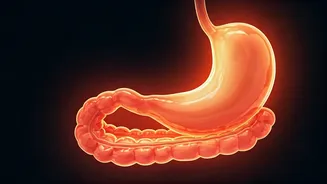
When ghee and oil are removed, the body undergoes immediate changes. Initially, you might observe shifts in digestion. Fats like ghee and oil assist in slowing
down digestion, providing a sense of fullness. Without them, you might experience quicker digestion, potentially leading to increased hunger and more frequent bowel movements. The body might also begin tapping into its stored fat reserves for energy. This can lead to an initial phase of weight loss, although the sustainability and long-term health implications are crucial. However, such a sudden change can also cause your body to enter a phase of adjustment, causing possible discomfort and making you feel tired or lightheaded until your body adapts to the new way of acquiring energy. In addition, the absence of fats can influence the absorption of fat-soluble vitamins (A, D, E, and K), potentially leading to deficiencies if these are not supplemented through other dietary means or supplements.
Impact on Energy Levels
The effects on energy levels are another critical aspect. Ghee and oil are energy-dense foods. Their absence can reduce overall calorie intake and directly influence your energy. During the initial stages, you might encounter lower energy levels, especially if your diet doesn't compensate for the lost calories and fats. The body might also switch its primary energy source to carbohydrates or proteins. This transition can cause fatigue and affect physical and mental performance. Furthermore, the brain relies on fats for optimal function. Without adequate fat intake, cognitive function can be affected, potentially leading to brain fog or difficulty concentrating. Maintaining consistent energy levels depends on ensuring adequate calorie intake and replacing healthy fats with alternatives that provide sustained energy release, such as complex carbohydrates or lean proteins. Regular physical activity and adequate sleep are also essential for supporting energy levels during this dietary transition.
Long-Term Health Consequences
The long-term health consequences of eliminating ghee and oil are multifaceted. Cutting out these fats can affect hormone production. Fats are essential for synthesizing hormones, including those crucial for reproductive health, metabolism, and overall well-being. Prolonged deficiency can disrupt hormonal balance, leading to menstrual irregularities, reduced fertility, or increased stress hormone levels. Another critical aspect concerns the absorption of fat-soluble vitamins. Long-term restriction may lead to deficiencies in vitamins A, D, E, and K. These vitamins are vital for vision, bone health, immune function, and blood clotting. Consequently, individuals could be more susceptible to various health issues if these fat-soluble vitamins are not adequately replaced. Additionally, the risk of developing gallstones might increase. Fats stimulate the gallbladder to release bile. Without adequate fat intake, the gallbladder may not function correctly, increasing the risk of stone formation. Regular health check-ups and dietary planning are crucial to mitigate potential negative effects.
Alternative Dietary Considerations
When ghee and oil are removed, it's vital to think about alternative dietary options. A balanced diet should consider sources of healthy fats. These are essential for overall health, and simply removing them without a plan can be detrimental. You can integrate other fats, like those found in avocados, nuts, seeds, and fatty fish (like salmon and mackerel). These provide essential fatty acids that support brain function and heart health. They help with the absorption of fat-soluble vitamins, maintain hormone production, and improve the overall nutritional profile. Ensure you consume adequate vitamins A, D, E, and K through food or supplementation. Also, monitor your fiber intake. Fats also help with the absorption of fiber. Therefore, you must also be mindful about fiber sources, which are abundant in fruits, vegetables, and whole grains. Proper meal planning, including a variety of foods and mindful consumption, supports long-term health and mitigates possible side effects.