





What is House Burping?
The concept of 'house burping,' an informal American term for the German practice of 'Lüften,' refers to a straightforward method of refreshing indoor
air. It involves opening windows wide for brief, intensive periods multiple times throughout the day. This technique is designed to rapidly exchange stale interior air with fresh exterior air. Interestingly, this practice has roots in everyday life, with some rental agreements in Germany even stipulating its regular execution as a measure against dampness and the proliferation of mould. It's a testament to how simple, long-standing cultural habits can offer effective solutions to common domestic issues, proving that sophisticated technology isn't always necessary for maintaining a healthy living environment. The core idea is to ensure a constant circulation of air, preventing the buildup of indoor pollutants and creating a more pleasant atmosphere within one's home. This practice gained significant attention globally, particularly during the COVID-19 pandemic, and has seen a resurgence as people seek natural and economical ways to improve their living spaces and personal health.
Optimizing Ventilation Tactics
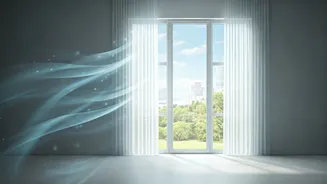
The most effective method for implementing 'house burping' is known as 'Stoßlüften,' or shock ventilation. This approach emphasizes fully opening windows on opposite sides of a building or room simultaneously, creating a powerful cross-draft. The goal is to facilitate a swift exchange of air within a short timeframe, typically 5–10 minutes, rather than leaving windows slightly ajar, which can chill walls without effectively clearing the air. This rapid ventilation is also economically sensible, minimizing heat loss and thus energy consumption, especially during colder months. By creating a strong, directed airflow, 'Stoßlüften' ensures that stale air is quickly expelled and replaced with fresh air, thereby improving indoor air quality efficiently. This method is considered superior to tilting windows, which can lead to significant heat loss without achieving the desired air circulation. Integrating this technique into daily routines can dramatically impact the freshness and healthiness of your home's atmosphere.
Health and Air Quality Benefits
The regular practice of 'house burping' yields significant health advantages by actively improving indoor air quality. Opening windows wide allows for the effective removal of volatile organic compounds (VOCs) that can emanate from everyday items such as furniture, cleaning products, and personal cosmetics. Exposure to these VOCs has been linked to common ailments like headaches and eye irritation, as noted by the US Environmental Protection Agency (EPA). Furthermore, a sealed home environment can become a breeding ground for mould, a concern highlighted by experts like Dr. Parham Azimi of the Harvard T.H. Chan School of Public Health. He points out that modern homes are often hermetically sealed to conserve energy from air conditioning and heating, inadvertently trapping pollutants. Effective airflow, achieved through practices like 'Lüften,' is crucial for diluting and removing airborne irritants, allergens, and pathogens, contributing to a healthier living space and mitigating potential respiratory issues.
Viral Popularity and Winter Airing
The practice of 'Lüften' experienced a surge in global popularity during the COVID-19 pandemic. Then-Chancellor Angela Merkel of Germany championed it as a low-cost, highly effective strategy for curbing virus transmission. This endorsement propelled the technique into the online spotlight, where it went viral on platforms like TikTok as a simple hack for achieving cleaner indoor air. The trend has since resurfaced, particularly during winter months, demonstrating its year-round applicability. Despite freezing temperatures, brief, intensive airing out remains beneficial. It effectively manages moisture buildup from activities like cooking and showering without causing a significant increase in heating bills. Well-insulated homes, while energy-efficient, can trap pollutants, making rapid ventilation essential for diluting viruses, smoke particles, and other airborne contaminants swiftly and efficiently. This global embrace showcases the universal appeal of practical, natural solutions for modern living challenges.
Strategic Airing Tips
To maximize the benefits of 'house burping,' strategic timing and execution are key. Experts recommend airing out your home at least three times a day: in the morning, around midday, and in the evening. During these times, ensure windows are opened fully to achieve maximum air exchange. However, it's advisable to exercise caution on days with exceptionally high outdoor pollution levels or during peak allergy seasons, as this could introduce more irritants into your home. By consistently following these guidelines, you can maintain a noticeably fresher indoor environment, often more effectively than relying solely on air filtration systems. This practice not only promotes better health by reducing indoor pollutants but also embodies a philosophy of simple, mindful living that the Germans have mastered over generations, proving that effective solutions can be both accessible and environmentally conscious.