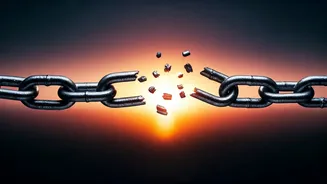







The Cost of Resistance
Fighting against your current life circumstances, even when it feels like productive action, comes at a significant energetic cost. This internal struggle
involves replaying past decisions, analyzing timelines, and pushing yourself to move faster or fix things, often leading to self-criticism and a sense of inadequacy. Consequently, you miss the subtle positives and emerging strengths present in your current reality. Resisting a difficult season doesn't shorten its duration; instead, it amplifies feelings of isolation and prevents you from acknowledging the present stability and quiet growth occurring.
What Radical Acceptance Means
Radical acceptance is not about liking your current situation or ceasing to desire change; it's about ceasing the internal argument with reality. The distinction lies between acknowledging 'I don't want this' and insisting 'This shouldn't be happening.' The latter fuels unnecessary suffering. Acceptance begins by stating facts without judgment, such as 'I am more tired than anticipated' or 'This is taking longer than planned.' These truthful statements are grounding. The subsequent step involves allowing the ensuing emotions—frustration, sadness, or envy—without escaping them. This presence, rather than avoidance, frees up energy, enabling clearer decision-making and a more responsive approach to life.
The Grief Within Acceptance
Embracing difficult seasons often involves a quiet form of grief. Accepting a slower pace might mean mourning the imagined timeline; accepting that healing requires time can involve grieving a past version of yourself that felt invincible; accepting that something isn't working can mean grieving a lost dream. This grief, though sometimes subtle—a chest heaviness or unexpected emotional waves—is crucial for integration. It allows for a gentle release of idealized visions, a process far healthier than forced reframing or immediate lessons. Expressing 'I wish this were different' while still accepting reality is a sign of maturity, not resignation.
Practicing Gentle Acceptance
Acceptance is an ongoing practice, best cultivated through small, consistent actions. Start by honestly labeling your current season: 'This is a rebuilding period,' or 'This is a slower, healing phase.' This linguistic shift softens the perception from failure to a temporary stage. Significantly, reduce exposure to others' highlight reels to mitigate comparison. Create smaller, achievable progress markers, focusing on showing up, resting when needed, or demonstrating increased patience. Employ 'for now' language—'This is my capacity, for now'—to maintain honesty without permanence. Finally, honor slower rhythms; allow reduced energy or scattered focus without self-recrimination. Acceptance liberates energy by removing unnecessary self-inflicted pressure.
Signs of Integration
You'll recognize acceptance taking hold as the internal arguments quiet down. While you might still wish for different circumstances, the panic and urgency subside, freeing you from constant life-timeline scrutiny. You'll likely experience greater emotional steadiness, fewer comparison spikes, and reduced self-criticism. Planning becomes less frantic, and small actions are taken without the immediate pressure of fixing everything. Most importantly, you'll begin to feel present in your life, engaged and grounded, even if not entirely pleased with your current position. This is integration, not stagnation.
When to Seek Support
It's crucial to distinguish between a challenging season and more serious mental health concerns like clinical depression, trauma, or profound hopelessness. If acceptance feels unattainable due to pervasive numbness, heaviness, or a sense of meaninglessness, it's a sign to seek external help. Spiraling into despair, rather than finding steady honesty, indicates the need for support. Professional therapy, coaching, community involvement, or confiding in trusted relationships can aid in processing difficult experiences. Creating a sense of safety within your nervous system is foundational for tolerating reality and fostering acceptance.