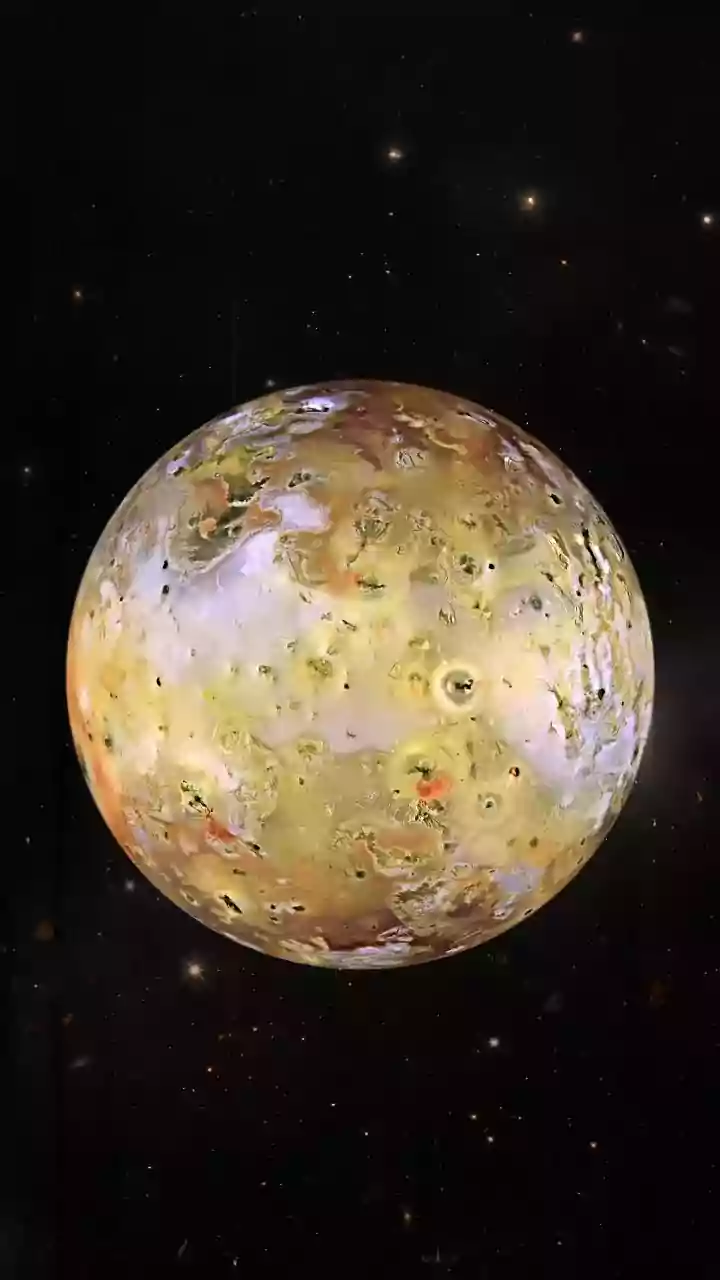

Introducing ExoMiner++
ExoMiner++, a sophisticated AI model, stands as a testament to the advancements in space exploration. Developed by NASA, it marks a significant leap from
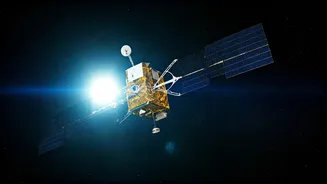
its predecessors in the quest to discover exoplanets. The purpose of this advanced system is to analyze data gathered by space telescopes, particularly those like the Transiting Exoplanet Survey Satellite (TESS). This analysis involves sifting through vast amounts of data to pinpoint celestial bodies that share characteristics with planets. ExoMiner++ is designed to distinguish between genuine exoplanets and other phenomena, providing a more refined and accurate identification process. The implementation of ExoMiner++ has vastly improved the efficiency and precision of exoplanet detection, leading to a surge in potential new worlds identified. As this technology continues to evolve, it promises to revolutionize the methods in which we explore the cosmos, bringing us closer to understanding the universe and finding new planets.
How ExoMiner++ Operates
ExoMiner++ utilizes a complex and multifaceted approach to exoplanet detection, leveraging the power of advanced AI. The process begins with the collection of astronomical data from telescopes, such as TESS. These telescopes observe stars and monitor for subtle changes in their brightness, which can indicate a planet passing in front of them (a transit). The data gathered is then fed into ExoMiner++, where the AI algorithm analyzes it for distinctive patterns. This analysis involves comparing the data against a vast database of known exoplanets and other celestial bodies. ExoMiner++ is trained to recognize the specific characteristics of exoplanets, such as transit depth, duration, and shape, as well as considering other factors. It employs machine learning techniques to refine its ability to differentiate between planets and other phenomena. By automating the data analysis process, ExoMiner++ significantly reduces the time and effort needed to identify potential exoplanets. This leads to identifying thousands of promising candidates. The AI’s ability to sift through massive datasets and accurately identify exoplanets represents a major advancement in the field of astronomy.
Advancements Over Predecessors
ExoMiner++ introduces several significant improvements over its predecessors. While the earlier versions had limitations, ExoMiner++ has been developed to overcome those obstacles. One of the main advancements is its superior ability to handle and analyze complex data. ExoMiner++ incorporates a more sophisticated algorithm that is trained on a broader dataset, which boosts its accuracy. ExoMiner++ has a more user-friendly interface which makes it easier for researchers to utilize and interpret its findings. This increased efficiency and accuracy are crucial for identifying exoplanets. The enhanced AI model enhances scientists' abilities to differentiate between actual exoplanets and other space phenomena. The advancements in ExoMiner++ contribute significantly to advancing the pace of discovery in the field of astronomy.
Impact on Exoplanet Discovery
The impact of ExoMiner++ on exoplanet discovery is profound. Its advanced capabilities have led to the identification of thousands of potential new worlds. The AI significantly accelerates the process of identifying these planets. ExoMiner++'s ability to quickly sift through vast amounts of data enables researchers to focus their efforts on the most promising candidates. This acceleration is crucial. Because space exploration generates enormous amounts of data, quick identification can speed up the search for potentially habitable worlds. By streamlining the process of exoplanet identification, ExoMiner++ enables scientists to concentrate on studying these new worlds in more depth. It is not just about finding more planets; it's about uncovering a wealth of information about them. As the number of confirmed and potential exoplanets increases, researchers gain more opportunities to delve into their compositions and atmospheres. The AI will provide insights into the likelihood of life beyond Earth.
Future of ExoMiner++
The future of ExoMiner++ looks promising. Researchers constantly refine and update the AI model to improve its accuracy. Future versions could incorporate even more detailed data, including information about the atmospheres of exoplanets and their potential for habitability. A key area of development is increasing the AI's ability to differentiate between potentially habitable worlds and those that are not. The aim is to create a more comprehensive and nuanced understanding of these exoplanets. NASA aims to deploy ExoMiner++'s technology into future space missions. These enhanced capabilities will allow scientists to analyze an ever-increasing amount of data. With continued advancements, ExoMiner++ can open new frontiers in the search for extraterrestrial life.