







Understanding Induction Magic
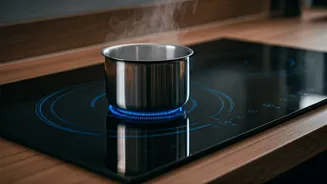
Induction cooktops operate on a fascinating principle of electromagnetism. Instead of generating heat on the surface like conventional stoves, they create
a magnetic field that directly energizes the cookware itself. This means the cooktop surface remains cooler, significantly reducing burn risks and enhancing energy efficiency. However, this rapid and precise heat transfer demands an adjustment period for new users, as cooking times are considerably shorter. It's crucial to adapt your cooking habits to prevent overcooking or burning, making this a primary learning curve for anyone transitioning to this advanced technology.
Cookware Compatibility Is Key
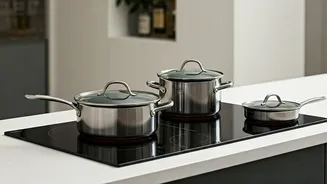
The success of your induction cooking hinges entirely on using the correct pots and pans. Induction-ready cookware must be made from ferromagnetic materials, such as cast iron or specific types of stainless steel. A simple test for suitability involves placing a magnet against the base of your cookware; if it adheres firmly, it's likely compatible. Employing unsuitable cookware can lead to inconsistent heating, preventing your food from cooking evenly, or it may simply fail to activate the cooktop altogether. Therefore, verifying your existing collection or investing in new, appropriate sets is the foundational step for any induction cooktop user.
Mastering Heat Control
Induction cooktops are renowned for their swift heating capabilities, far outpacing traditional gas or electric counterparts. For those new to this technology, it is highly advisable to commence cooking operations at lower to medium heat settings. Gradually increase the intensity only as needed. Rushing to high heat settings from the outset can very easily lead to food scorching or burning rapidly, particularly during delicate tasks like sautéing or frying. With consistent practice and mindful observation, users will gradually develop a more intuitive understanding of precise temperature regulation on their induction surfaces.
Maintain Cleanliness & Dryness
Ensuring a clean and dry cooking surface is paramount for both safety and optimal performance of your induction cooktop. Before you begin any cooking, always confirm that the surface is free from any spills or moisture. Liquids or food debris can disrupt the magnetic connection essential for heating, and over time, this interference might potentially lead to minor damage to the cooktop. Following your cooking sessions, once the surface has cooled sufficiently, a gentle wipe-down will not only maintain hygiene but also preserve the cooktop's efficiency for future use.
Pot Size Matters
For maximum efficiency and safety during your cooking endeavors, it is imperative to utilize cookware that appropriately matches the dimensions of each induction zone. Employing pots or pans that are too large or significantly uneven can result in unstable placement and compromise the effectiveness of heat transfer. Opting for flat-bottomed cookware is also essential, as it ensures optimal contact with the induction surface, thereby enhancing both the safety of your cooking environment and the quality of the results.
Never Leave Unattended
The remarkable speed at which induction cooktops heat food introduces a critical safety imperative: never leave cooking unattended. The rapid increase in temperature, especially with oils, can quickly lead to overheating and burning. It is vital to remain present in the kitchen throughout the entire cooking process, particularly when employing high heat or frying. While many contemporary induction models incorporate automatic shut-off features, vigilance remains the most effective safeguard against potential accidents.
Be Aware of Residual Heat
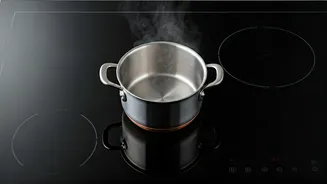
Even though the induction surface itself doesn't get hot directly, it can absorb warmth from the cookware placed upon it. This phenomenon is known as residual heat. It is important to exercise caution and avoid touching the cooking zone immediately after removing pots or pans. Furthermore, keeping children at a safe distance from the cooktop until it has completely cooled down is a crucial safety measure to prevent accidental burns.
Keep Metal Away
Given that induction cooktops function via magnetic fields, it is essential to keep loose metallic items, such as cutlery, utensils, or aluminum foil, clear of the cooking surface when it is active. These objects can unexpectedly heat up due to the magnetic interaction, posing a burn risk. Maintaining a clutter-free cooktop during operation is a simple yet effective way to enhance kitchen safety and prevent unintended heating of incidental items.
Utilize Safety Features
Modern induction cooktops are equipped with a suite of built-in safety mechanisms designed to enhance user experience and prevent accidents. These often include child lock functions, automatic shut-off timers, and overheating protection systems. Familiarizing yourself with the operation of these features and actively using them can significantly bolster safety, especially for individuals who are new to induction cooking and still adjusting to its unique characteristics.