
Understanding Fatty Liver
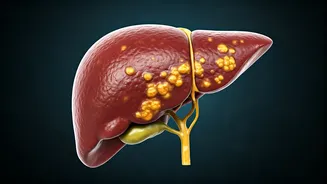
Fatty liver disease, as the name suggests, is a condition marked by the buildup of fat within the liver cells. This accumulation can stem from various
causes, including excessive alcohol consumption (alcoholic fatty liver disease) and other factors not related to alcohol intake (non-alcoholic fatty liver disease or NAFLD). The liver's role in processing nutrients and filtering toxins is critical, and excess fat can hinder its functions, causing inflammation and potentially leading to more severe conditions. Many individuals with fatty liver disease do not experience noticeable symptoms in the early stages, making it challenging to detect without specific tests. This stealthy nature is why it's crucial to understand the risk factors and the importance of regular health check-ups to catch the condition early. Understanding the liver's function in metabolizing fats and sugars is key to grasping the core issues and their implications.
Causes and Risk Factors
Several factors contribute to the development of fatty liver disease. Alcohol abuse is a well-known cause, with a direct link to alcoholic fatty liver disease. In contrast, NAFLD is more frequently associated with lifestyle and metabolic factors. These include obesity, type 2 diabetes, high cholesterol levels, and insulin resistance. Genetic predispositions also play a role, making certain individuals more susceptible to the condition. Additionally, rapid weight loss and certain medications can elevate the risk. Dietary habits, specifically diets high in processed foods, saturated fats, and added sugars, can also contribute to fat accumulation in the liver. Recognizing these risk factors is vital to assessing one's personal vulnerability and enabling the adoption of preventive measures. Therefore, a comprehensive understanding of the interplay between lifestyle, genetics, and environment is crucial in addressing and reducing the risk of fatty liver disease.
Health Implications Explained
Untreated fatty liver disease can lead to significant health complications. Initially, the buildup of fat can cause simple fatty liver, often without any significant symptoms. However, if the condition progresses, it can lead to liver inflammation, a condition known as steatohepatitis. Over time, this inflammation can cause scarring of the liver, leading to fibrosis. If fibrosis worsens, it can result in cirrhosis, a severe condition where the liver is severely damaged and unable to function properly. Cirrhosis can cause liver failure, increasing the risk of liver cancer and the need for a liver transplant. The progression from fatty liver to cirrhosis can take years, but the risks are substantial. Furthermore, individuals with fatty liver disease may also be at a higher risk of cardiovascular diseases and other metabolic disorders, underscoring the importance of early diagnosis and management.
Early Detection Matters
Because fatty liver disease often presents with no symptoms, early detection is essential for effective management. Regular health check-ups that include liver function tests can identify abnormalities. Imaging tests, such as ultrasound, CT scans, and MRI, can visualize the fat accumulation in the liver. In some cases, a liver biopsy might be needed to assess the extent of liver damage. The earlier the condition is diagnosed, the better the chances of slowing or reversing the progression of the disease. Individuals at higher risk, such as those with obesity, diabetes, or a history of excessive alcohol consumption, should consider discussing regular screening with their healthcare provider. Recognizing the value of proactive health monitoring significantly impacts the successful management of the condition.
Lifestyle Changes: Key
Lifestyle modifications are crucial for managing and preventing fatty liver disease. Dietary adjustments are a cornerstone of treatment. Reducing the intake of saturated fats, processed foods, and added sugars, while increasing consumption of fruits, vegetables, and whole grains, can significantly improve liver health. Regular exercise is also beneficial, as it helps in weight management, improves insulin sensitivity, and reduces liver fat. Weight loss, if overweight or obese, can drastically reduce liver fat and inflammation. Additionally, limiting alcohol consumption is crucial, particularly for individuals with alcoholic fatty liver disease. For those with NAFLD, completely avoiding alcohol is recommended. Following these lifestyle adjustments can slow or reverse the disease's progression. It's often recommended to consult a healthcare professional or a registered dietitian for personalized guidance.
Treatment Options Explored
Treatment approaches for fatty liver disease focus on addressing the underlying causes and managing the symptoms. For alcoholic fatty liver disease, the primary focus is abstinence from alcohol. In the case of NAFLD, there are no specific medications universally approved for all cases. The medical team may address conditions such as diabetes and high cholesterol to manage the disease. Vitamin E and certain medications, such as pioglitazone, may be prescribed in some cases, although their use is generally reserved for more severe stages or specific scenarios. In advanced cases, such as cirrhosis, management involves treating complications and potentially a liver transplant. Therefore, a multifaceted approach, including lifestyle changes, medication, and close monitoring by healthcare professionals, is typically implemented to manage this condition effectively.