




Smart Grain Choices
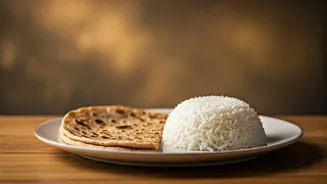
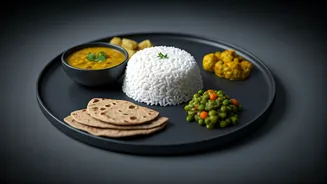
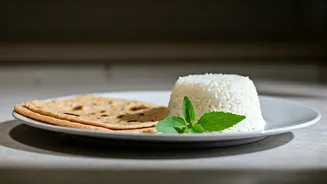
Opting for whole grains over refined ones is a cornerstone of diabetes-friendly eating. Consider switching to staples like jowar (sorghum) rotis, which
are gaining popularity in Indian households due to their lower glycemic index and higher fiber content compared to traditional wheat rotis. This means they release sugar into the bloodstream more slowly, preventing sharp spikes. Incorporating other ancient grains can also diversify your nutrient intake and benefit blood sugar control. While rice and roti are common, understanding the impact of preparation and pairing is key. For instance, having a salad before your main meal can help mitigate the glycemic impact of rice or roti, making them more manageable for individuals managing diabetes.
The Power of Vegetables
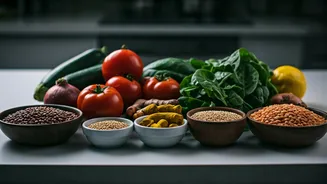
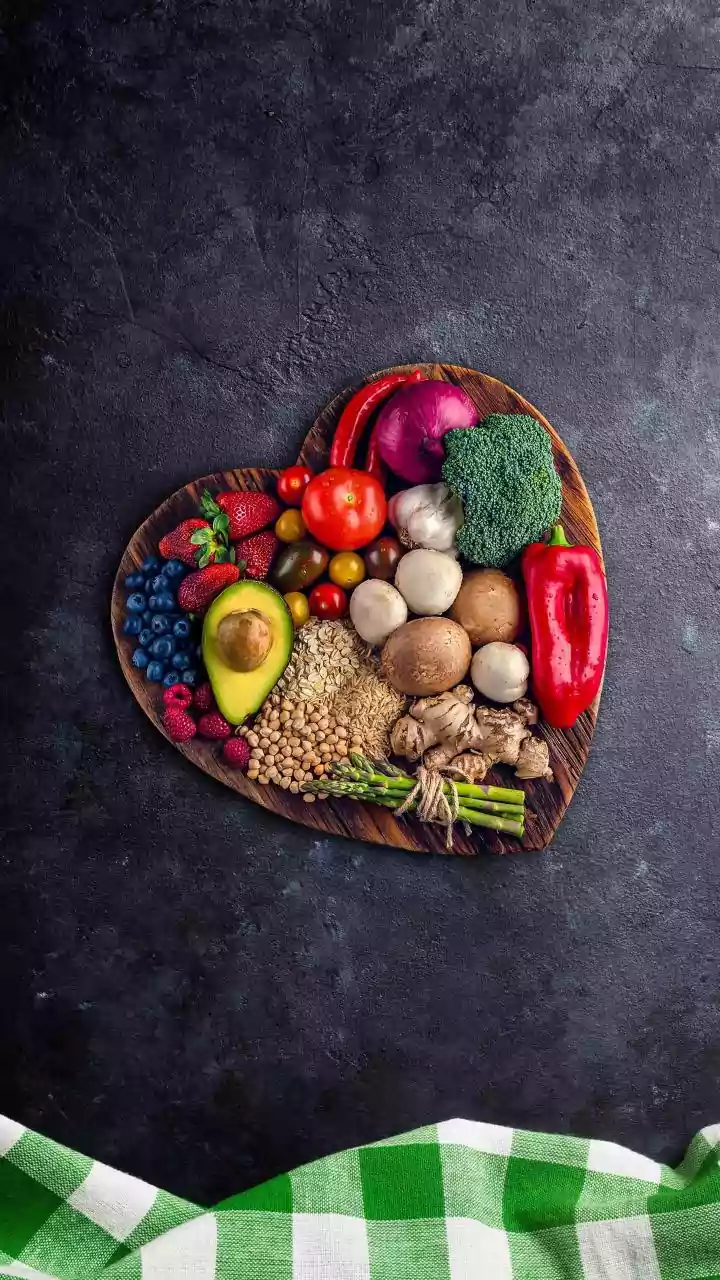
Integrating a variety of vegetables into your diet is crucial for blood sugar management. Focus on low-glycemic index (GI) vegetables that offer essential nutrients without causing rapid sugar increases. Examples include leafy greens like spinach and fenugreek (methi), gourds like bottle gourd (lauki) and ridge gourd (turai), and non-starchy options such as cauliflower and broccoli. These vegetables are packed with fiber, vitamins, and minerals. Diabetic-friendly sabzis (vegetable dishes) can be prepared using minimal oil and healthy spices, making them a hearty and nutritious part of lunch. Rich in antioxidants, certain vegetables can also contribute to overall health and potentially aid in managing diabetes complications.
Fruitful Considerations
While fruits are a natural source of vitamins and fiber, their sugar content requires careful consideration for diabetics. The key often lies in choosing the right fruits and understanding when to consume them. For instance, some summer fruits like guava, jamun, and berries are generally considered safe and beneficial due to their lower sugar levels and high fiber. Unripe bananas, while sometimes favored for weight loss, may differ in their sugar release compared to ripe ones, so timing is important. Experts often advise on when diabetics should eat bananas, suggesting that moderation and specific consumption times can be crucial. It's also vital to distinguish between whole fruits and fruit juices; whole fruits retain their fiber, slowing sugar absorption, whereas juices often concentrate sugars and lack fiber, leading to faster blood sugar spikes.
Hydration and Beverages
Choosing your drinks wisely is as important as selecting your food for managing diabetes. Sugary beverages like sodas and fruit juices have been linked to an increased risk of type 2 diabetes in studies. Instead, prioritize water, herbal teas, and other unsweetened options. Certain drinks can even support liver health, which plays a role in metabolic function and diabetes management. For example, apple cider vinegar, when prepared with moringa, is sometimes discussed for its potential benefits related to gut health and metabolism. Guava leaf tea is another natural option that many turn to for its potential to help manage blood sugar levels. Opting for these healthier drink choices can significantly contribute to overall well-being and diabetes control.
Smart Food Pairings
The way you combine foods can significantly impact your blood sugar response. Understanding these interactions can help you enjoy a wider range of foods more safely. For example, certain everyday foods are better for blood sugar regulation when consumed cold rather than hot. This might be due to changes in their starch structure. Similarly, the simple act of including a salad before your main carbohydrate sources like rice or roti can help slow down sugar absorption. This pre-meal strategy helps create a more stable glycemic response throughout your meal, making it a beneficial habit for anyone monitoring their blood sugar levels. This approach emphasizes not just what you eat, but how you integrate it into your meal structure.
Mindful Eating Habits
Adopting mindful cooking and eating habits is fundamental for long-term diabetes management. This involves paying attention to portion sizes, cooking methods, and the overall balance of nutrients in your meals. Instead of frying, opt for baking, steaming, grilling, or stir-frying with minimal oil. Incorporating antioxidant-rich foods can also be beneficial, as antioxidants help combat cellular damage. Even simple bedtime snacks can be chosen to avoid blood sugar spikes, with options like nuts or yogurt being preferable. Developing these daily rituals, especially during seasons like winter, can create a consistent and supportive environment for maintaining stable blood sugar levels.
Debunking Food Myths
Navigating dietary recommendations for diabetes can be confusing, especially with common food items. For instance, the role of potatoes in a diabetic diet is often debated; while they are a source of carbohydrates, experts suggest that preparation methods and portion control are key. Similarly, the question of whether corn is good or bad for diabetics depends on its form and quantity. Understanding these nuances is vital. The choice between whole fruit and fruit juice, as mentioned earlier, highlights this, with whole fruits offering a healthier profile due to their fiber content. Expert opinions often clarify these points, empowering individuals to make informed decisions about their food choices.