






NCR Air Quality Woes
The NCR region, encompassing Delhi and its surrounding areas, has long grappled with significant air pollution problems. Sources like vehicular emissions,
industrial activity, and seasonal factors contribute to poor air quality, frequently exceeding safe limits. Residents of the NCR often experience the impact of pollution, which can cause respiratory problems, allergies, and reduced overall well-being. This has led to an increased awareness of air quality and a growing interest in solutions that improve indoor air quality. Air purifiers have become popular as a way to address these concerns, offering a potential haven from the pollutants outside. However, the effectiveness and actual benefit of such devices is still the subject of many discussions and research.
Purifier Functionality Unpacked
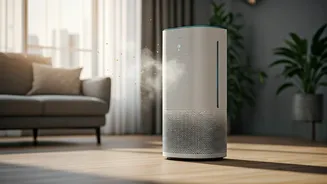
Air purifiers use filters and other technologies to capture and remove pollutants from indoor air. High-Efficiency Particulate Air (HEPA) filters are commonly used to trap particulate matter like dust, pollen, and smoke. Activated carbon filters work to absorb odors, gases, and volatile organic compounds (VOCs). Some purifiers also include UV-C light to kill bacteria and viruses. The process involves drawing air through the filters, where contaminants are trapped, and then releasing cleaner air back into the room. It’s important to note that the efficiency of an air purifier depends on several factors, including the type of filter, the size of the room, and the levels of pollution present. Regular maintenance, such as filter replacement, is crucial to ensure optimal performance of the device.
The Placebo Effect in Action
The placebo effect, the phenomenon where a person experiences a benefit from a treatment that has no active properties, can significantly influence the perceived value of air purifiers. When people believe an air purifier is working, they might feel better even if the device’s actual impact is minimal. This belief can be powerful, reducing stress or improving perceived air quality. The visual aspects of an air purifier, such as its design and the perception that it is actively cleaning, can also contribute to this effect. Furthermore, the environment in which an air purifier is used, its noise level, and the user's expectations all influence how effective it seems. The subjective nature of air quality and the psychological impact of feeling like one is taking positive steps to improve their health all play a significant role.
Real vs. Perceived Value
The perceived value of an air purifier may not always align with its actual effectiveness. The price tag of an air purifier can influence how people perceive its effectiveness; a more expensive device may be expected to work better. However, the actual performance depends on factors such as filter quality, room size compatibility, and pollution levels. While some air purifiers are designed to deliver tangible improvements in air quality, others may offer primarily psychological benefits. Evaluating an air purifier’s value requires consideration of its technical specifications, its ability to address specific pollutants, and the user's individual needs. Careful research, comparing models, and understanding of your home’s air quality are vital for making an informed purchase decision.
Maximizing Air Quality
Alongside using an air purifier, there are many practical ways to improve indoor air quality. Opening windows during less polluted times of the day, using exhaust fans while cooking, and avoiding smoking indoors can significantly reduce pollutants. Regular cleaning, including dusting and vacuuming, helps to remove dust and other particles. Choosing low-VOC paints and furniture can also limit the introduction of harmful chemicals. Plants can naturally filter the air and improve air quality. A comprehensive approach involves a mix of these strategies to create a healthier environment. Regular monitoring of air quality, by either tracking pollution reports or by using an air quality monitor, also helps gauge the effectiveness of these efforts.
Making Informed Choices
To choose the right air purifier, consider several key factors. The size of the room is crucial, as the purifier needs to be appropriately sized to effectively clean the air. Look for models with a high Clean Air Delivery Rate (CADR), which indicates how quickly the purifier can clean a room. Consider the type of filter, and focus on HEPA filters for particulate matter and activated carbon filters for gases and odors. Evaluate the noise level of the device, as some purifiers can be noisy, particularly on higher settings. Research the long-term costs of operation, including filter replacement expenses. Comparing reviews from reliable sources provides helpful insights and guidance to select a device that aligns with individual requirements, preferences, and air quality concerns.