





Celebrity Cravings Revealed
Even those who travel extensively and have access to diverse global cuisines can experience profound homesickness, particularly when it comes to food.
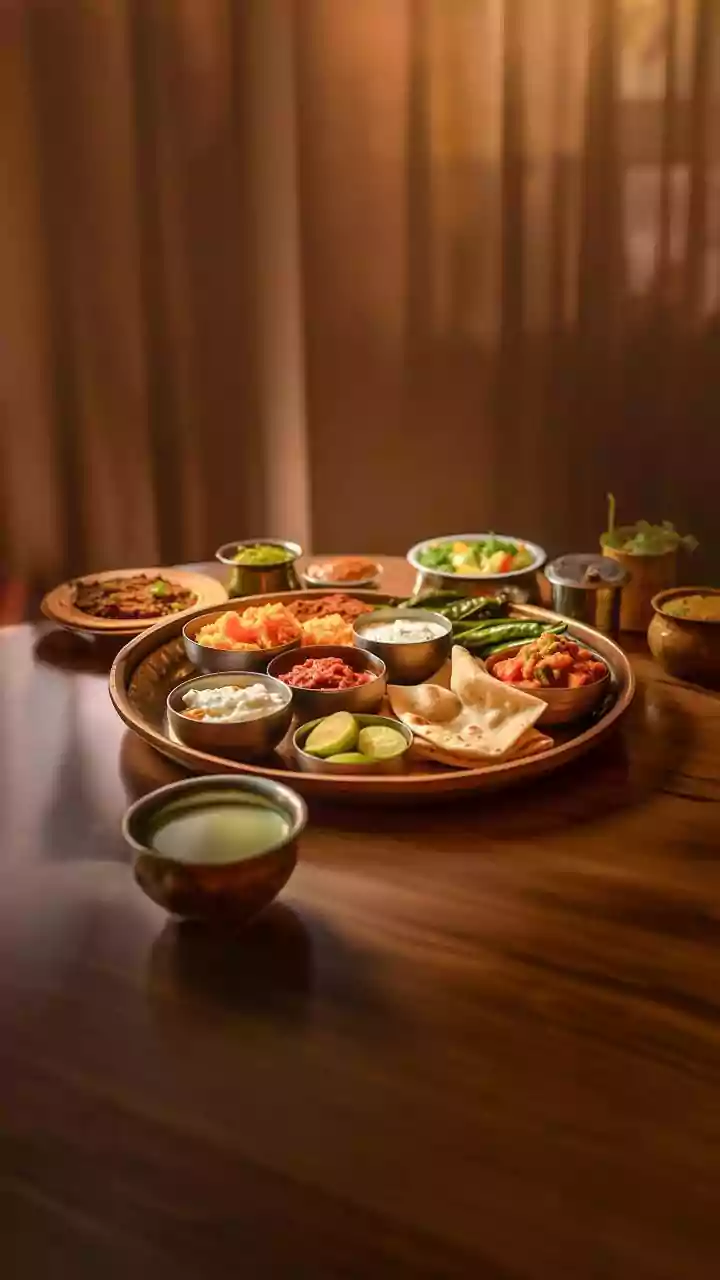
Ishaan Khatter, a noted actor, recently shared his personal experience of being away for four months during a shoot. While he initially believed he wasn't prone to homesickness, he admitted that after about two and a half months, a strong desire for simple Indian dishes like dal chawal or roti emerged. This craving surprised him, as he had previously thought he would be more resilient. He contrasted his experience with his brother, Shahid Kapoor, who, according to Ishaan, cannot go without Indian food for more than four days when he's abroad, highlighting a significant difference in their tolerance thresholds and immediate need for familiar flavors.
The Science of Cravings
The intense yearning for Indian food when traveling isn't solely about taste; it's a complex interplay of biological, psychological, and environmental factors. Psychotherapist Dr. Chandni Tugnait explains that while some individuals, like Shahid, find deep comfort in familiar traditions, others, such as Ishaan, exhibit a greater openness to change. Understanding these underlying elements can equip travelers with strategies for better preparation, whether that involves packing essential spices or proactively adapting their palates before embarking on journeys. These insights offer a framework for comprehending why such strong culinary preferences persist across different personalities and circumstances.
Early Imprints & Gut
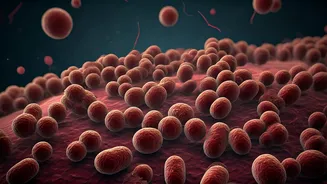
Our earliest food experiences play a significant role in shaping our lifelong culinary preferences. Dr. Tugnait points out that individuals who grew up with Indian food as a central part of their lives, beyond mere sustenance and integrated into cultural practices and rituals, develop a much deeper emotional bond with it. Furthermore, the composition of our gut bacteria, or microbiome, is crucial in influencing food cravings. Regular consumption of Indian spices and fermented foods, such as yogurt and pickles, cultivates a gut environment that thrives on these specific flavors. When this is abruptly altered by a foreign diet, the gut may signal its need for familiar nutrients, leading to cravings. Interestingly, those with more diverse gut bacteria, often a result of varied eating habits, tend to adapt more quickly to new dietary landscapes.
Flavor Profiles & Adaptability
Indian cuisine is renowned for its bold and intricate flavor profiles, often featuring a dynamic combination of spicy, tangy, and umami notes. According to Dr. Tugnait, people who are accustomed to these intense taste experiences may perceive other cuisines, particularly Western ones, as lacking in flavor, leading to a sense of dissatisfaction. Conversely, individuals who have a lower sensitivity to strong tastes or who naturally appreciate more subtle flavors find it easier to adjust to different culinary offerings. This difference in sensory perception and flavor thresholds significantly impacts how individuals cope with dietary changes when away from home.
Mindset and Social Ties
Beyond biology and sensory perception, our psychological makeup and social environment also influence how we handle food away from home. Personality traits, such as adventurousness and openness to new experiences, can make a difference. Those who view food as an opportunity for exploration rather than a potential deprivation are likely to adapt more readily to unfamiliar dishes. Social dynamics also play a part; individuals traveling alone or with companions who don't share their cultural background might adapt more quickly to blend in. In contrast, people who are surrounded by family or a strong Indian community abroad often seek out familiar meals as a way to maintain social connections and a sense of belonging, reinforcing their preference for home-cooked tastes.